Difference Between Cabling & Structured Cabling Explained

In today’s hyperconnected world, every video you stream, email you send, or file you share travels through a network of cables and wires. But not all cabling systems are created equal. Cabling basics and structured cabling each have unique characteristics and benefits for smart office solutions.
While cabling simply links devices together, structured cabling installation goes one step further with its well-organized and standardized framework, which turns tangled wires into a powerful and scalable network backbone.
Understanding the differences between traditional cabling and structured cabling is essential for building fast, reliable, and future-ready networks.
In this blog, explore what cabling is, its types and characteristics, the difference between cabling and structured cabling, and much more.
Table of Contents
- Introduction
- What is Cabling?
- Types of Cabling
- Limitation of Cabling
- What is Structured Cabling?
- Key Components of a Structured Cabling System
- Structured Cabling vs Cabling: Differences Explained
- Benefits of Structured Cabling for Enterprise IT & Smart Offices
- Process of Structured Cabling Installation
- Future Trends in Structured Cabling Systems
- Conclusion
What is Traditional Cabling?
Cabling is the process of installing, arranging, and connecting cables for electrical power or telecommunications, which form the physical infrastructure for voice, data, and power transmission within a system or building. A data cabling company plans, selects the right cables, and ensures proper installation using trays or conduits.
Cabling helps in termination, testing, and documentation to ensure a safe, efficient, and reliable network. It’s a structured process that creates a physical network for transmitting data, power, and other signals between devices.
Types of Traditional Cabling
The following types of cabling support large networks and data centers for high-speed performance.
-
Coaxial Cable
Coaxial cables are widely used for internet connections and TV setups. They are designed with a central conductor by shielding, as they resist interference better than basic wires. Coaxial cables are better for transmitting cable television, CCTV, and internet signals.
-
Twisted Pair Cable
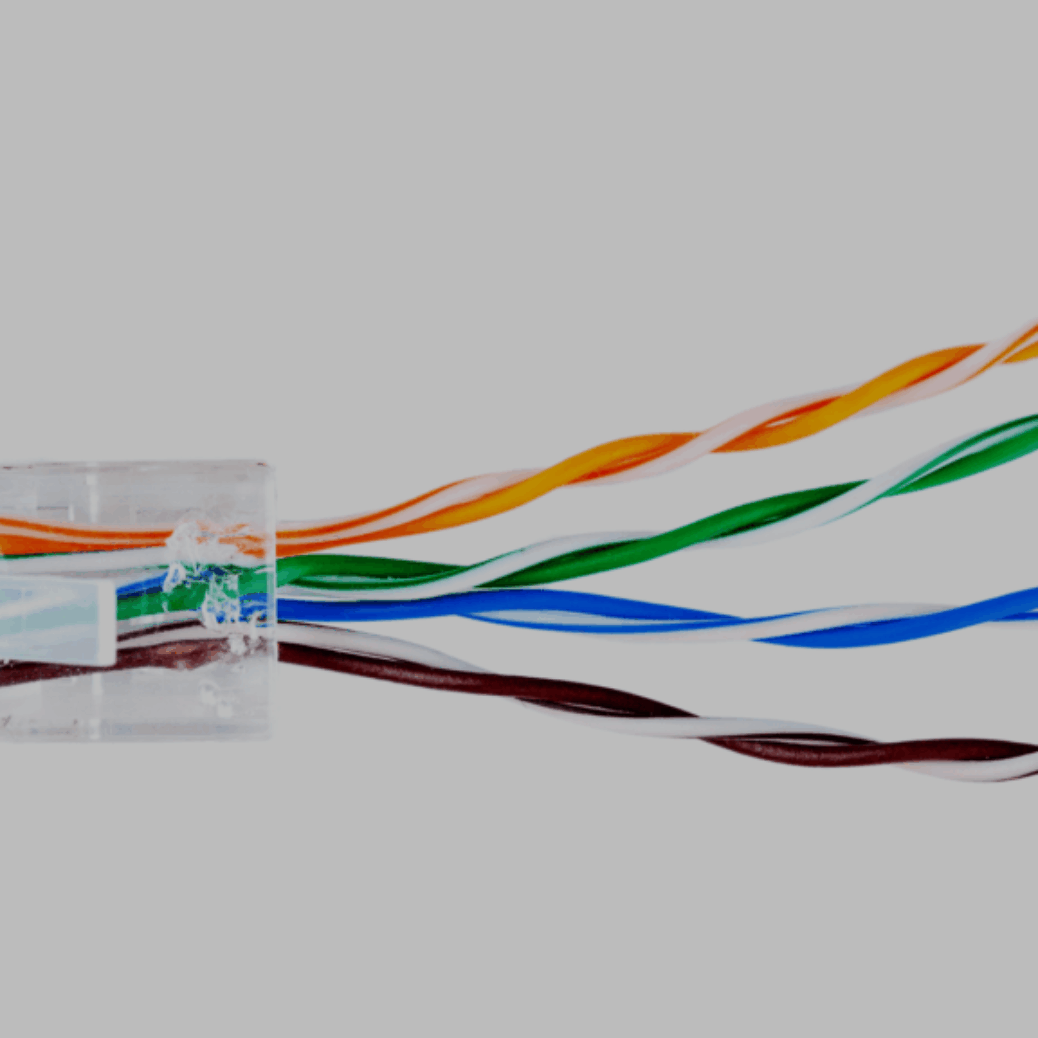
The twisted pair cabling is commonly used in offices and big enterprises. They consist of pairs of wires twisted together to reduce electromagnetic interference, and this includes two main categories: unshielded twisted pair (UTP) and shielded twisted pair (STP).
-
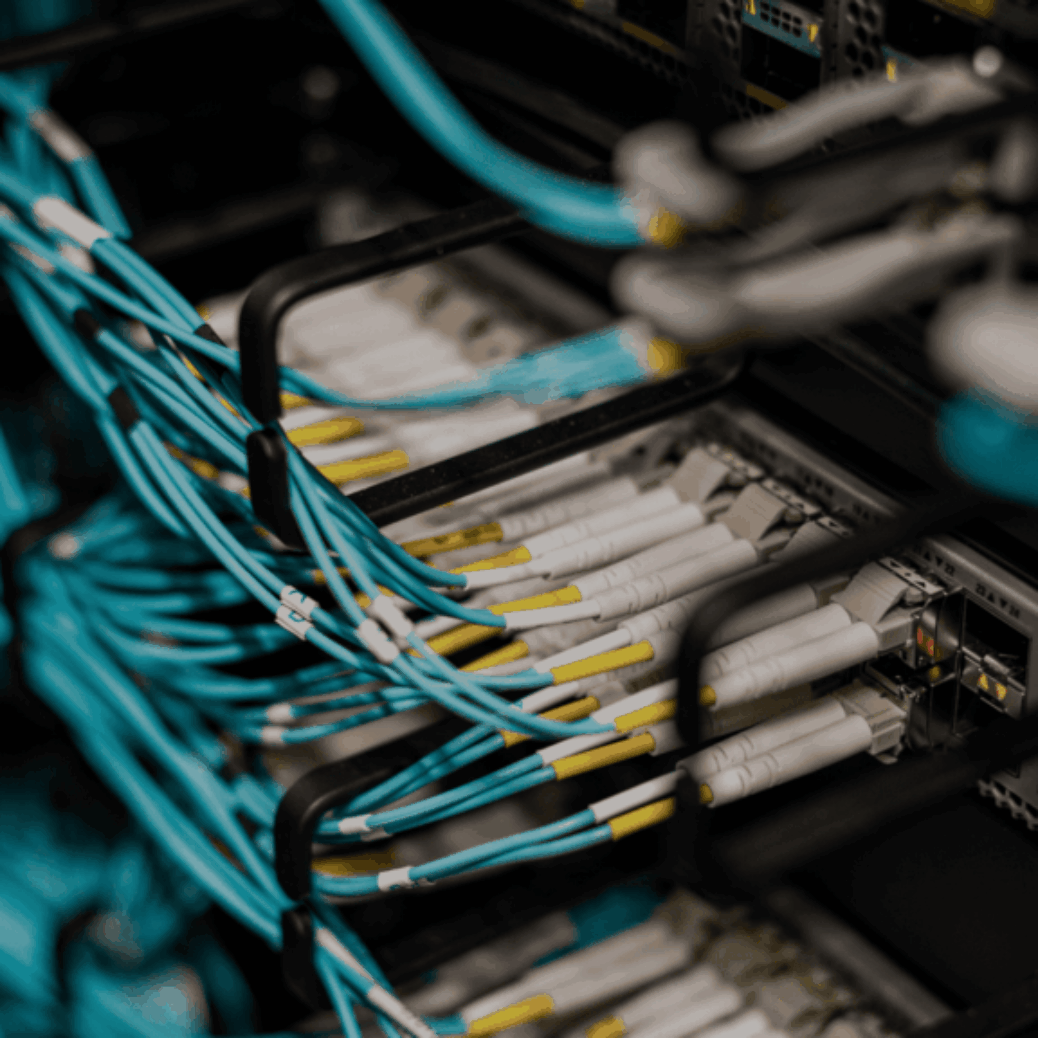
Fiber Optic Cable
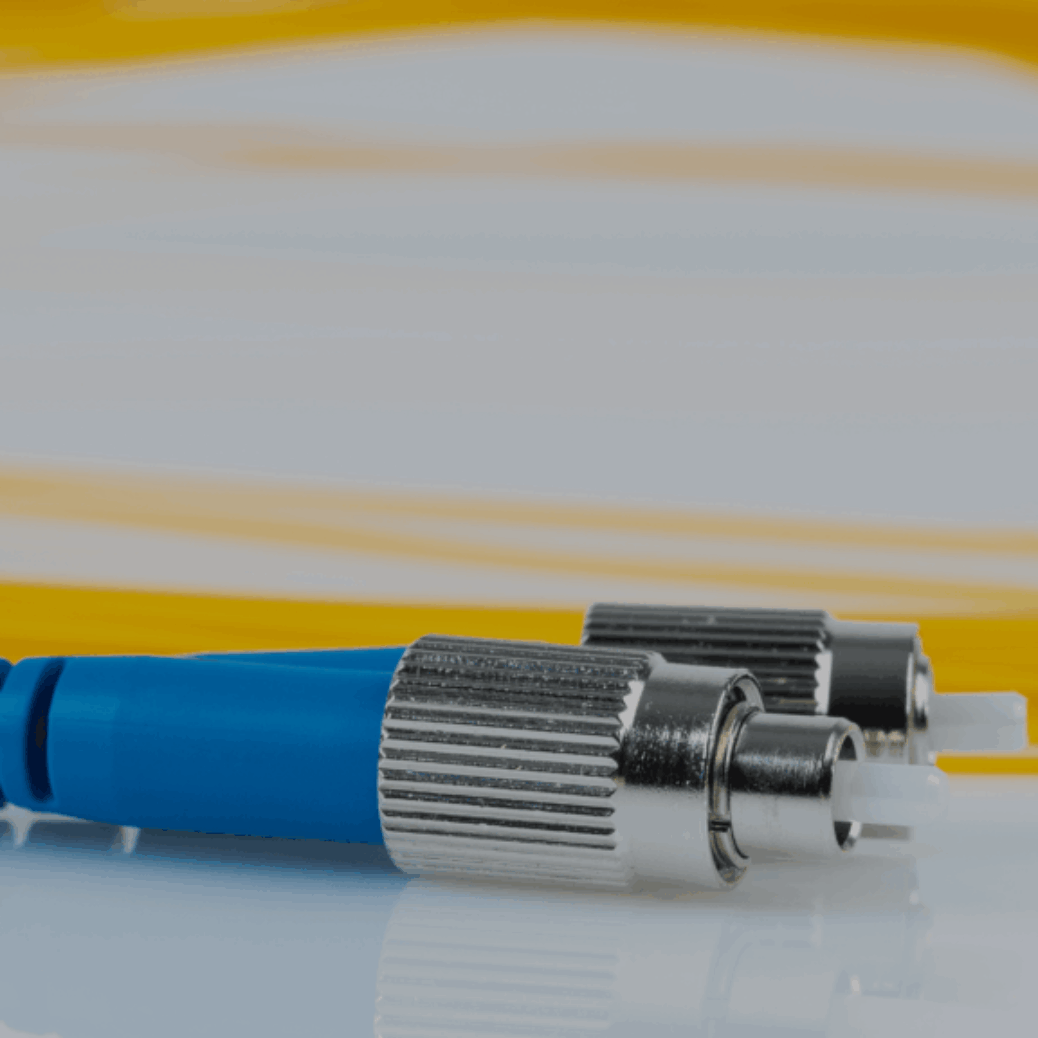
Fiber optic cables use glass fibers to transmit data as pulses of light. These cables offer high bandwidth, fast speed, and resistance to electromagnetic interference. They are ideal for long-distance data transmission, data centers, and future-ready networks.
Limitation of Cabling
Not all cabling solutions perform equally; traditional cabling often limits network efficiency, scalability, and performance.
Following are the key limitations of traditional cabling that hamper the performance.
-
Messy and Disorganized
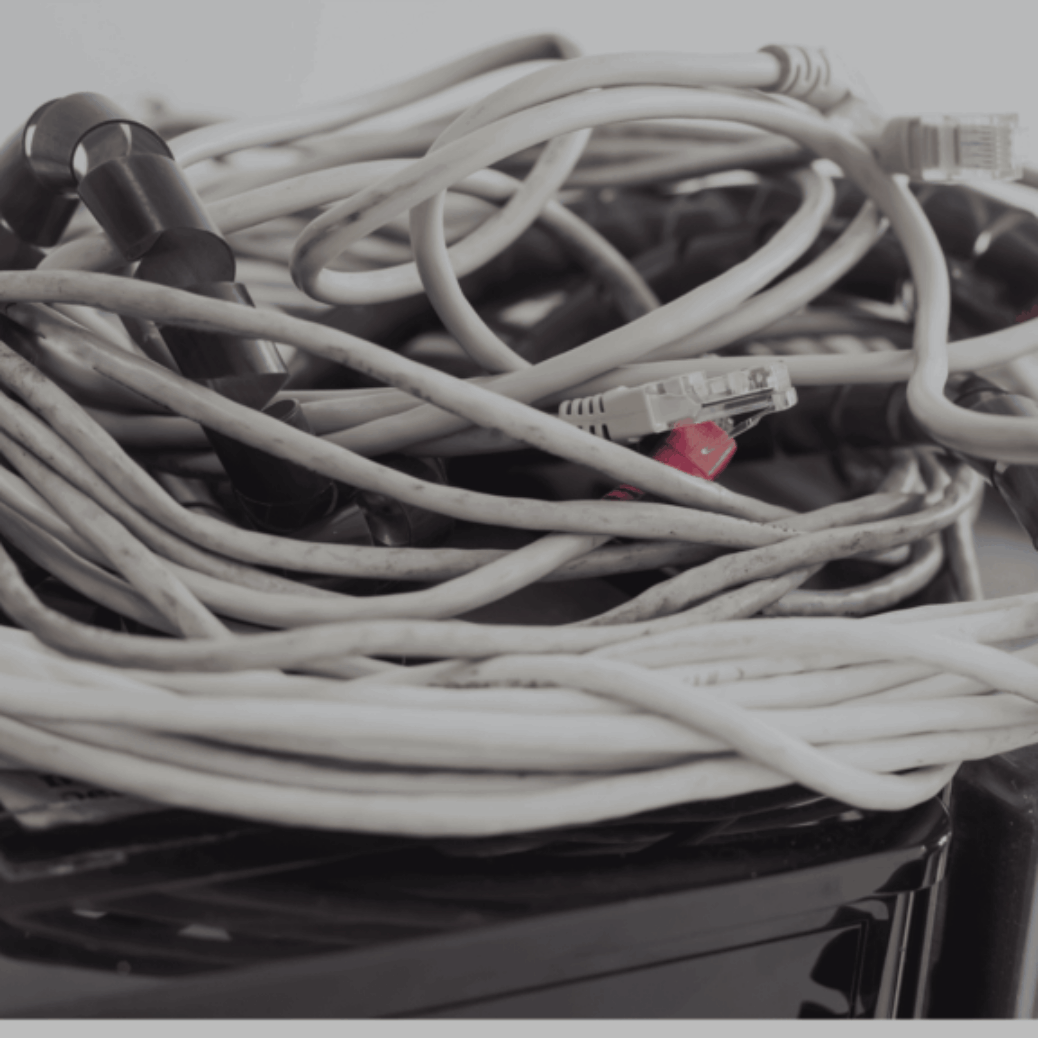
Traditional cabling often ends up looking like a messy bowl of wires, as it is hard to trace connections and identify where each cable leads. This also creates confusion during upgrades or repairs.
-
Difficult to Scale
Adding new devices and systems means integrating more cables, which may lead to clutter. They do not have a centralized system for expansion, which makes growth inefficient and not suitable for modern businesses that need flexible network cabling services.
-
Poor Troubleshooting
If your business is facing rapid issues and something fails, then finding that one faulty cable is time-consuming. Lack of labeling or structure makes fault isolation nearly impossible. This leads to long downtime and high maintenance costs.
-
Limited Performance
Basic cabling can’t handle the high data transfer speeds required today. Struggles with bandwidth-heavy tasks like cloud apps, video streaming, or VoIP. More prone to interference and signal loss.
-
High Long-Term Cost
While cheaper initially, repeated fixes and inefficiency increase expenses. Frequent need for rewiring or replacing outdated cables. This results in wasted time, money, and resources.
What is Structured Cabling?
Structured cabling is a standardized method for setting up the cabling infrastructure in buildings. A structured cabling company designed to support hardware use and organized into 6 subsystems, such as equipment rooms, backbone cabling, entrance facilities, and much more.
A structured cabling company ensures all the telecommunication wiring is assembled systematically, which makes it easier to upgrade and maintain. There are components of cabling, such as twisted pair cabling, Cat 5 and Cat 6, and fiber optic cable.
Key Components of a Structured Cabling System
Here are the key components of the structure cabling system that enhance smart office solutions.
-
Entrance Facilities
Entrance facilities are important to ensure the reliability and security of the network, and they are designed to protect from any electromagnetic interference (EMI), physical damage, and unauthorized access.
-
Equipment Room
The equipment room is the central hub of the structured cabling installation, which contains cross-connect in the subsystem coverage. The room contains servers, switches, routers, which enhance business operations.
-
Backbone Cabling
The structured cabling contractors offer backbone cabling, or vertical cabling, which helps to run the cables between the equipment room and telecommunication rooms. The enterprise IT supports the network over time and frequent replacements and upgrades, which protect from damage and interference.
-
Telecommunication Room
The telecommunication rooms are divided into buildings and servers as connection points between backbone cabling and horizontal cabling. These rooms contain termination panels, patch panels, and other equipment that manage signals to individual workstations.
-
Horizontal Cabling
Horizontal cabling connects cables that are connected from telecommunications to work areas. The cables typically are fiber optic cables and copper cables, which are designed to handle all the requirements that connect devices like phones, laptops, and printers.
-
Work Area
The work area is the final point in the structured cabling system, as it connects the end-user devices to the network. It contains patch cords, outlets, and converters or adapters. The well-structured work areas offer flexibility, scalability, and ease of use.
Structured Cabling vs Cabling: Differences Explained
Cabling connects devices point-to-point with minimal standardization. Structured cabling is a standardized, labeled, and scalable framework using patch panels and pathways to simplify growth, upgrades, and troubleshooting.
Here is the main difference between cabling and structured cabling: you can make better decisions that are ideal for your business needs.
-
Design Approach: Random Wires vs. Organized Framework
- Cabling: In cabling various devices are connected point-to-point without a clear system, like wires that are tangled and become complicated cables behind the desk.
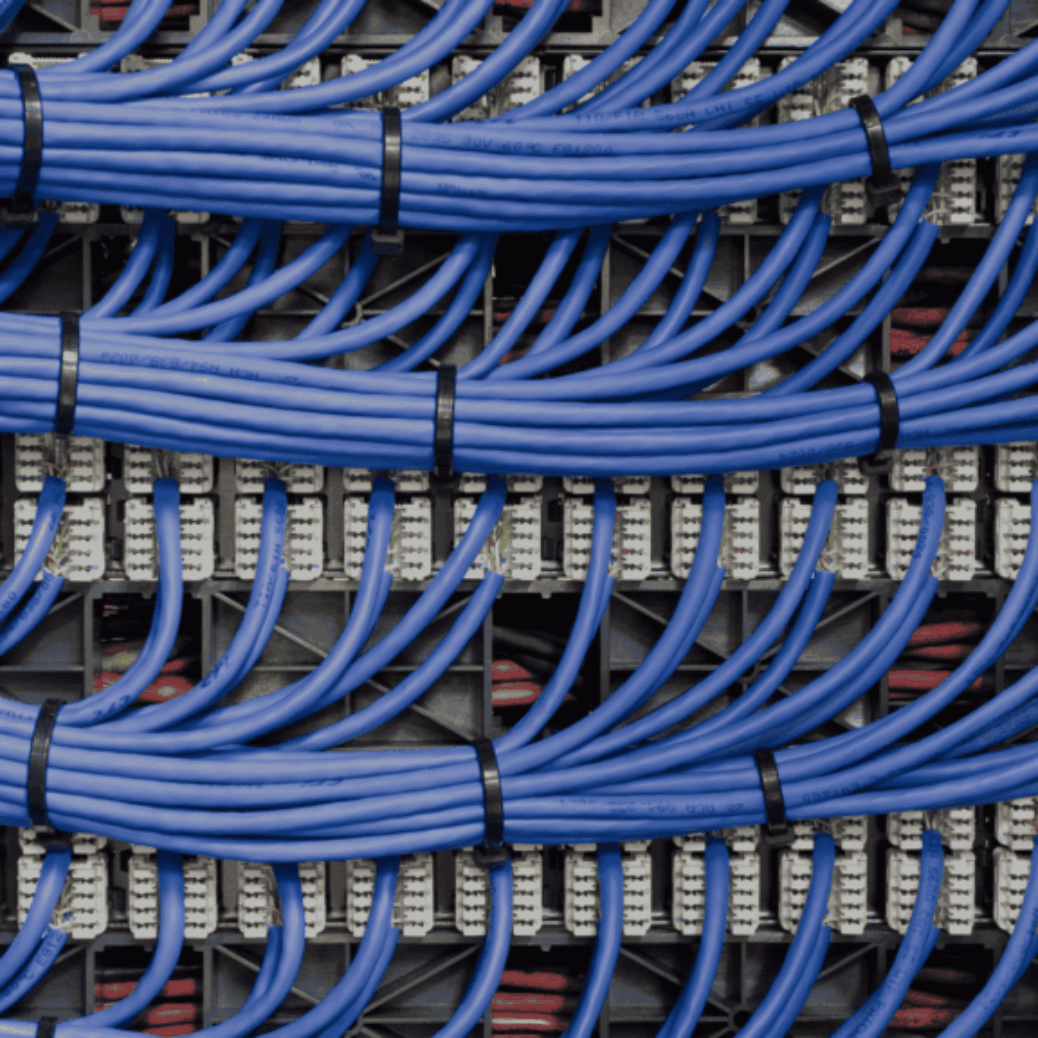
- Structured Cabling: The structured cabling is an organized, planned, and standardized layout with dedicated pathways, panels, and labeling, which ensures neatness, professionalism, and scalability.
-
Scalability: Short-Term Fix vs. Future-Ready System
- Cabling: This adds new devices, which means more wires, more confusion, and maybe rewiring the whole setup.
- Structured cabling: They are built to grow! Structured cabling to add new workstations, servers, or devices is simple without disturbing the existing network.
-
Performance: Limited Speed vs. High Efficiency
- Cabling: These are cabling basics that work fine for simple tasks with modern business demands such as video conferencing, cloud computing, and big data.
- Structured Cabling: These cables are designed for high-speed data transmission, minimal interference, and support future-proof bandwidth-heavy needs and ensure network cabling services.
-
Flexibility: Rigid Connection vs. Multi-System Support
- Cabling: The cabling usually supports the one function, be it either telephony or internet, with less flexibility as expected.
- Structured cabling: These cables use a single infrastructure to support voice, data, video, and security, ensuring smooth operation of all devices.
-
Cost Effectiveness
- Cabling: They may need to have low upfront costs but lead to high expenses over time due to frequent repairs, replacement, inefficiency, and maintenance.
- Structured cabling: The structured cabling may have a high initial investment, but save money long-term with reduced downtime, easy upgrades, and better performance.
Benefits of Structured Cabling for Enterprise IT & Smart Offices
Here are various benefits of structured cabling over traditional cabling that you must know.
-
Scalability for Future Growth
Enterprise IT includes structured cabling service providers that offer scalability, as it helps to expand the business to handle the data load, bandwidth, or any technologies related to IoT (Internet of Things).
-
Simple Management and Communication
A data cabling company helps to organize systems into various groups and cables into a structured framework. It’s easy to maintain and troubleshoot the structured cable, so if a business needs to add a new device or expand, then the cabling provides fast integration.
-
Cost Efficiency
Many people neglect the importance of structured cabling and don’t install it, as it seems costly, but in the long run, it ultimately saves money and is cost-efficient. With its sleek designs, upgrading, expanding, and repairing become easier, making it more cost-effective and simpler to install.
-
Improves Data Speed and Transmission
Structured cabling installation optimizes data transmission and enhances network performance. It minimizes cross-talk or any interference, which ensures smooth and fast communications, vital for businesses.
Process of Structured Cabling Installation
Structured cabling doesn’t happen by chance—it’s the result of careful planning, professional design, and precise execution.
-
Needs Assessment and Planning
Begin with a thorough analysis of the organization’s requirements—number of users, type of devices, bandwidth needs, and future expansion. Identify whether the network will support voice, data, video, or security systems.
-
Site Survey and Infrastructure Evaluation
Technicians inspect the physical environment—building layout, walls, ceilings, floor ducts, and electrical systems. Checks for potential interference sources (like heavy machinery or power cables). Ensures compliance with building codes and safety standards.
-
Design and Documentation
A structured cabling design is created following international standards (ANSI/TIA, ISO/IEC). The layout includes backbone cabling, horizontal cabling, equipment rooms, and work areas. Documentation is prepared for easy future maintenance.
-
Choose the Right Cabling Components
Selection of cables: Cat6, Cat6a, Cat7, or fiber optics based on speed and bandwidth requirements. Hardware includes patch panels, racks, jacks, faceplates, and cable trays. Ensures compatibility with future technologies.
-
Termination and Connection Setup
Cables are neatly terminated at patch panels, outlets, and jacks. Proper labeling is applied to every port and cable for easy identification. Ensures future troubleshooting and upgrades are hassle-free.
-
Maintenance and Future Proofing
Structured cabling doesn’t end at installation—regular inspections keep it efficient. Easy to upgrade for new technologies without replacing the whole system. Provides a reliable foundation for future growth.
Future Trends in Structured Cabling Systems
Explore the future trends in structured cabling systems for better connectivity and performance.
-
Smart and AI-Automated Infrastructure
AI automation is transforming structured cabling by providing smart infrastructure with sensors and monitoring systems for real-time performance tracking.
-
Enhanced Cybersecurity Measures
With the increasing cyberattacks and data breaches, structured cabling systems are adopting the latest robust security measures. These measures include data encryption and secure management protocols at the hardware level to safeguard the sensitive data and information transferred over the networks.
-
Support 5G and IoT Expansion
The 5G network and expansion of IoT devices provide high-capacity solutions and low latency, which helps businesses to have secure, structured cabling solutions. It also helps to support cutting-edge computing in networking that helps in fast data processing and keeps up the business with the latest trend in 2025.
-
Advanced PoE Technology
PoE (power over Ethernet) technology is constantly evolving, which allows businesses to power multiple devices like VoIP phones and IP cameras using high-quality Ethernet cables.
-
High Data Transmission Speed
Businesses need high speed to transmit data, as we frequently use high-quality video calls, cloud storage, HD streaming videos, live gaming, and much more. So for these activities, we need the latest cabling innovations that support high speeds up to 100 Gbps or 40 Gbps.
Conclusion
In the end the difference between cabling and structured cabling is simple: one is a quick fix, and the other is a long-term solution. Traditional cabling may get devices connected, but structured cabling builds the foundation for speed, growth, and reliability.
Businesses are adopting structured cabling installation to achieve fast, organized, and future-ready networks. It provides smart office solutions and ensures optimal performance.

CORPORATE OFFICE
1509 W Hebron Parkway
Suite Number 150
Carrollton, TX 75010