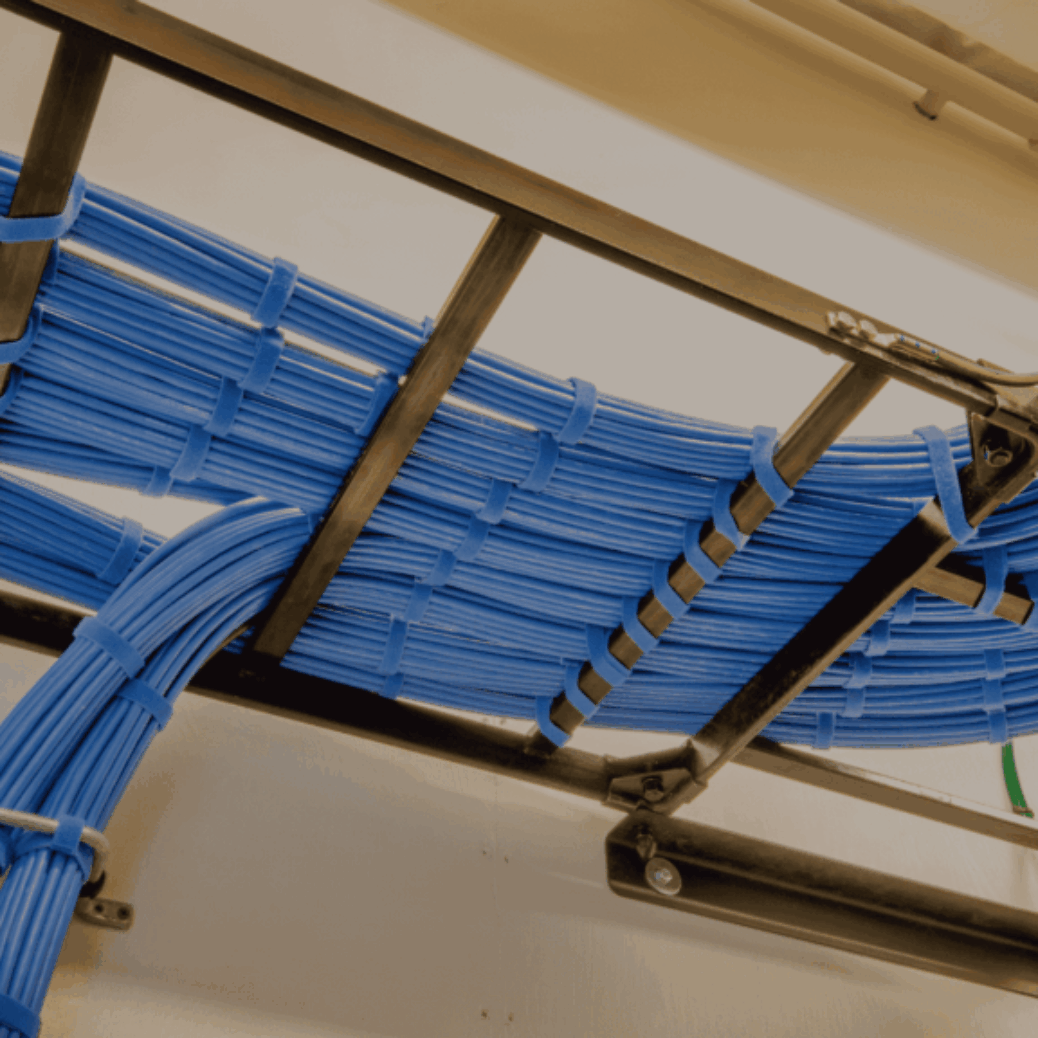
Disaster-Ready Structured Cabling: Protecting Your Business Network

Businesses today operate in an increasingly digital environment. A network outage today doesn’t just reduce productivity—it can cripple daily operations, damage customer trust, and cut into revenue.
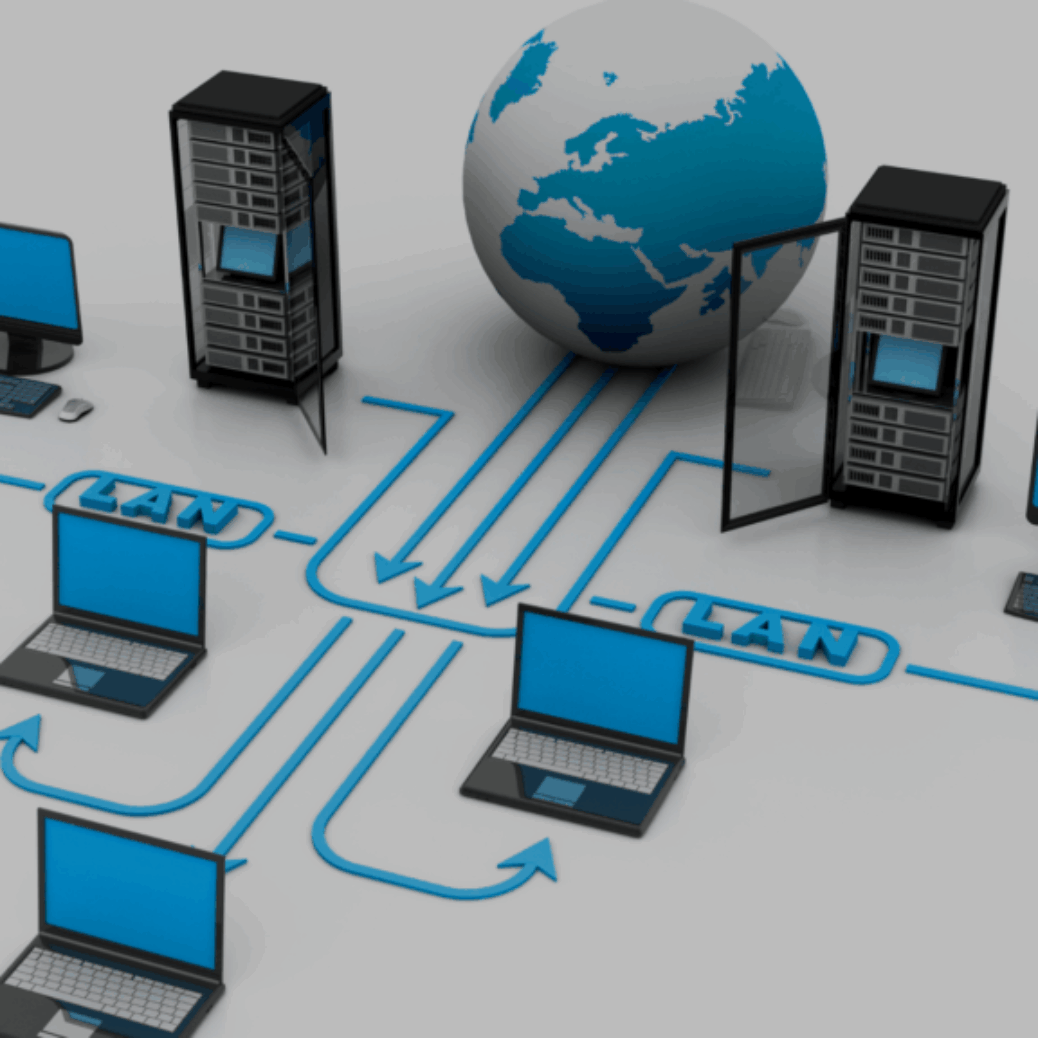
While most businesses invest heavily in servers and cloud solutions, it’s actually the structured cabling infrastructure that ensures true stability and performance. It is structured cabling that powers your complete IT infrastructure and connects everything.
Without a well-designed cabling system, you risk downtime, slow recovery, and reduced efficiency. Still, most businesses overlook this and focus on everything else.
You can ensure the proper structured cabling installation by partnering with a structured cabling company. Read this blog till the end to find out how structured cabling protects your business network from disasters and turns out to be your true savior.
Why Disaster-Ready Structured Cabling Matters?
Not many businesses understand how crucial it is to prepare their business networks for disasters, and this is where they go wrong. It is the networks that bear the brunt when the disaster strikes.
Many businesses underestimate how disasters—whether natural events or human errors—can severely impact their IT infrastructure. It can result in:
- Financial losses
- Operational impact
- Reputational risk
This makes it key for businesses to prepare their networks for disasters. Partnering with experienced data cabling contractors helps assess risks and design networks that remain operational even during disasters.
What is Structured Cabling and How Does it Lay the Foundation?
What exactly is structured cabling, and how does it help businesses in a disaster, is the question many businesses have. Structured cabling is a standardized design and installation approach that ensures your network remains protected when disasters strike.
The structured cabling is organized and is done in a way that ensures your performance, scalability, and easier management. The best part about the structured cabling is that it makes disaster recovery faster for businesses.
This is the reason why many businesses partner with cable installation contractors or the structured cabling company, because they follow the industry standards and help you in compliance, not simply the installation.
How Structured Cabling Helps Businesses With Disaster?
When disasters strike, be it flood, fire, or storm, the first thing that happens to businesses is downtime. Every minute of downtime can mean lost revenue, frustrated customers, and disrupted operations.
But worry not, as this is where the structured cabling helps. Structured cabling is more than just wiring—it’s the backbone of your business network, ensuring resilience and continuity. It can be your lifeline during critical times. Here’s how.
Faster Recovery and Reduced Downtime
The first way structured cabling helps you out is faster recovery and reduced downtime. The structured cabling system is designed in a way that helps you in a disaster. The IT teams or the data cabling contractors quickly locate, repair, or reroute affected cables when the disaster strikes.
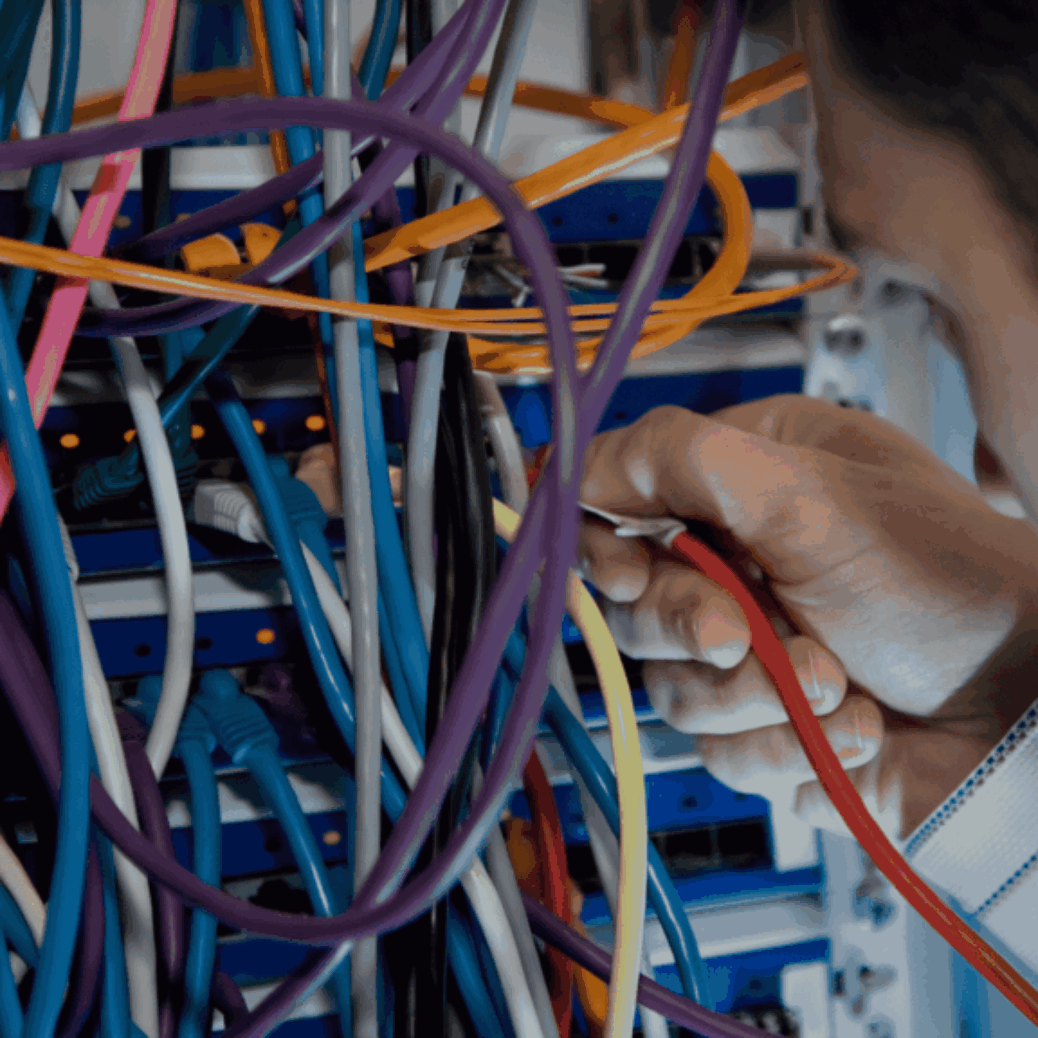
The data cabling contractors don’t spend hours identifying the tangled wires, which enables the businesses to resume operations faster. The technicians know exactly which cables were affected and can restore your service in a few hours, not in days.
Built-in Redundancy
Redundancy is the most important feature of the disaster-ready structured cabling. Professional structured cabling companies design dual cable pathways for critical systems to ensure uninterrupted connectivity.
The dual cable pathways turn out to be of great benefit when one route is compromised. The businesses can take the other one and make sure that the business communication and server lines are functional.
This is the best way to ensure that the essential services, such as VoIP phones, internet connectivity, and cloud applications, stay active during emergencies.
Physical Protection During Hazards
The next way structured cabling helps in times of disaster is by offering physical protection from the hazards. Disasters can cause extensive damage from heat, water, or electrical surges. So, structured cabling installations incorporate:
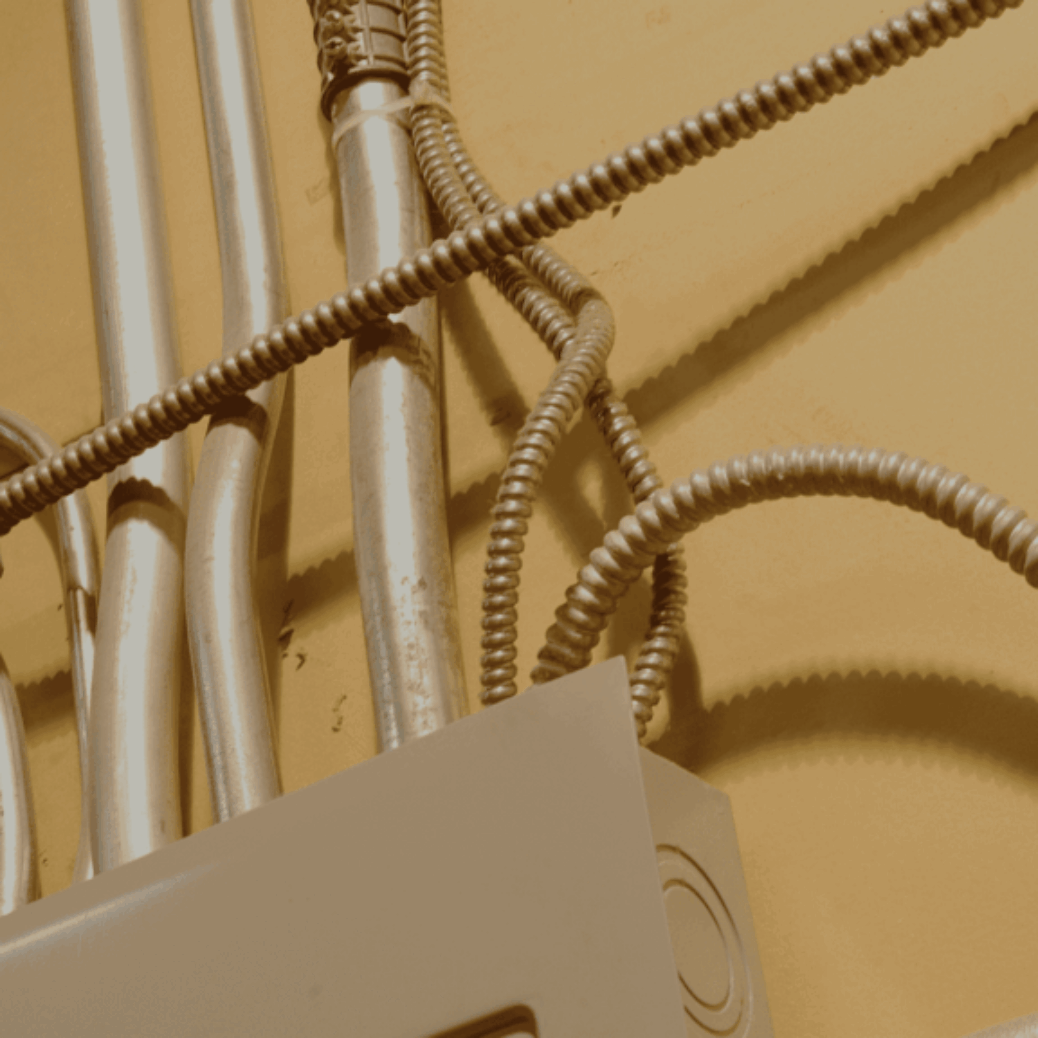
- Fire-rated cables and conduits.
- Waterproof and UV-resistant cables.
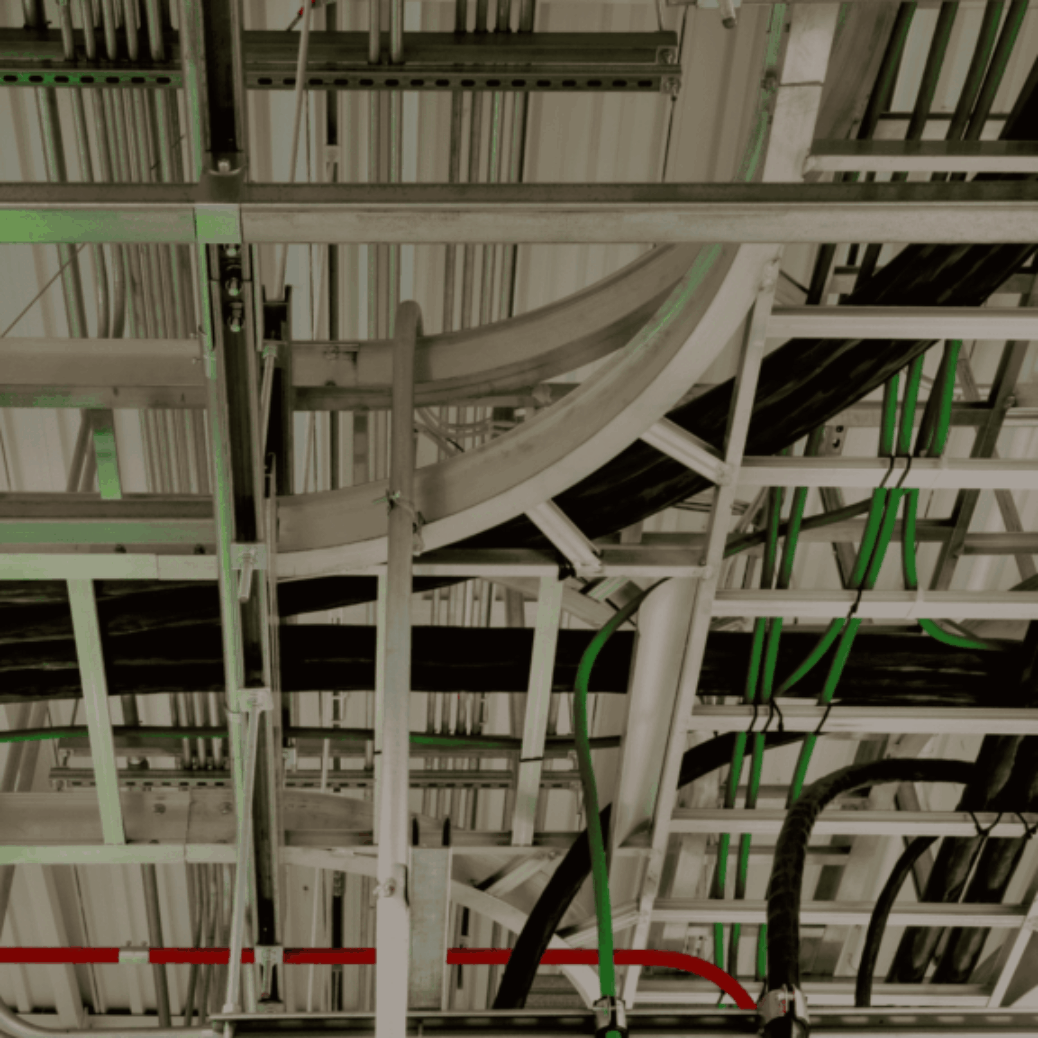
- Cable trays and conduits.
The businesses need to invest in these protective elements to reduce the risk of permanent damage. The structured cable contractors consider this standard in the disaster-prone regions.
Easier integration with Disaster Recovery Plans
The next step is the integration with the disaster recovery plans, and that is easy. The structured cabling does not operate in isolation but is part of the business disaster recovery strategy. The structured cabling integrates well with the backup power systems, redundant servers, and cloud recovery solutions because it is documented and strategized.
This integration enables faster and more efficient disaster recovery execution. For instance, it’ll be easy for businesses to switch operations to the backup server room because cabling is already mapped and labeled.
Reliability and compliance in long-term
Then comes the reliability and compliance in the long term. Making your cabling ready for the disaster is not only about the protection, but also about the compliance with TIA/EIA standards and local building regulations.
The compliance reduces the risk and sometimes also the insurance costs. All you need to do is hire a trusted structured cabling company. This ensures that your infrastructure is not only reliable but also resilient under extreme conditions.
Documentation and Labeling Systems
Timing matters the most in times when a disaster strikes. The troubleshooting becomes way too difficult for businesses if the cables are not properly labeled and documented. Businesses must implement standardized labeling systems for quick identification during recovery.
There needs to be detailed cabling diagrams and records so that IT teams can quickly get to know the affected areas. Then, there needs to be color coding and tagging, as this reduces human error during emergency repairs.
The inexperienced contractors often overlook this practice, but the professional structured cabling companies have this in mind.
Integration with Business Continuity Plans
The best part about the structured cabling is that it doesn’t work independently, but aligns well with the disaster recovery strategy. The cabling infrastructure connects with the backup power systems, cloud recovery solutions, and redundant servers.
The IT managers and teams will be able to collaborate with one another, ensuring business continuity. There’s testing happening at regular intervals to ensure that cabling responds as expected during emergencies.
Best Practices from Data Cabling Contractors
Many businesses assume that using high-quality cables is enough, but disaster-ready networks require more planning and precision. But this is not how it happens. It requires planning, the right strategy, measures, and proper execution, and then your network infrastructure becomes ready for a disaster.
This reduces the risk of downtime and increases the chances of recovering quickly when the unexpected happens. Take note of the best practices to follow to design a disaster-ready structured cabling system.
Risk Assessment & Critical Area Mapping
It starts with conducting a thorough risk assessment before anything else. You need to identify the potential threats your network can face. This can include the environmental risks, infrastructure risks, and human-related risks.
The professional data cabling contractors start the same way. They identify the hidden vulnerabilities first and ensure that the cabling design is ideal for both everyday needs and disaster scenarios.
Map Out Network Areas
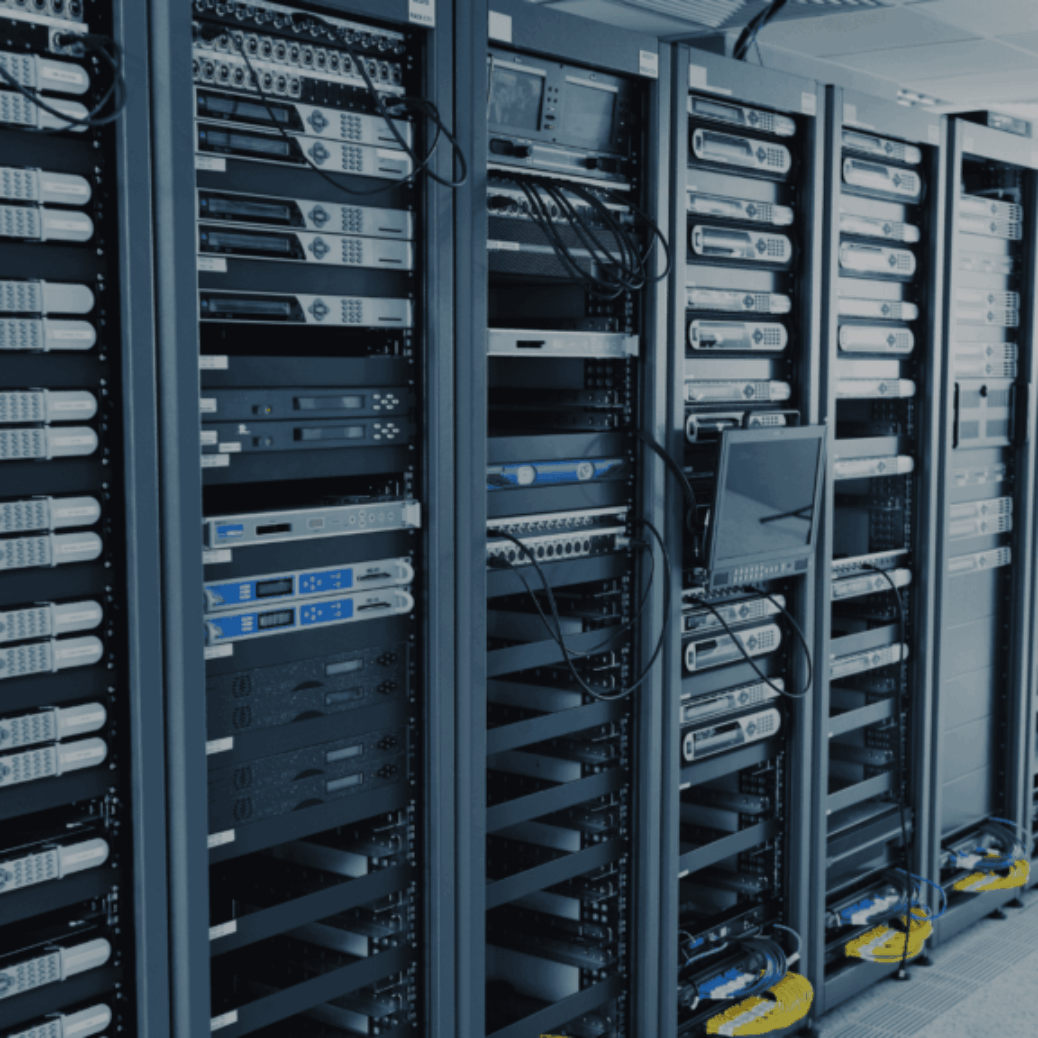
Every part of your network is not equally important. This makes it vital for you to identify critical areas to ensure the protection. The critical network areas include the server rooms, data centers, main distribution frames, intermediate distribution frames, and security systems.
A structured cabling company maps out all these areas and ensures that the systems are designed with resilience in mind.
Materials & Compliance
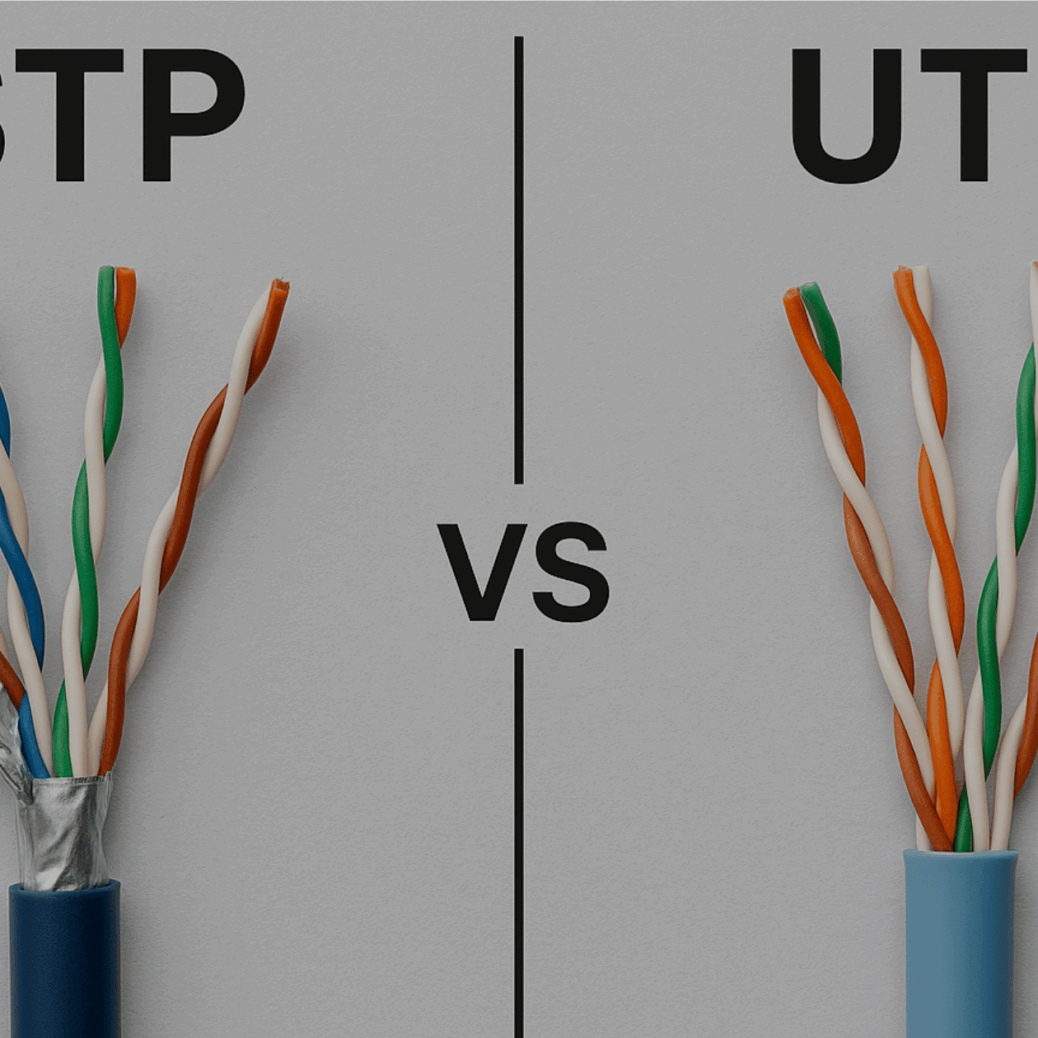
The next best practice is to use high-quality materials because the choice of cabling and protective components you choose makes a huge difference. The businesses should use fire-rated cables, conduits, waterproof cables, and shielded cabling to reduce EMI.
The cable installation contractors recommend only using the materials that meet the industry standards to ensure reliability.
Redundancy Design & Backup Power Integration
Building redundancy into design is another best practice you need to employ to protect your business network. Because a single connection or pathway should not make your business network fail.
Instead of this, plan the data cabling routes, redundant patch panels, switches, and backup power integration to ensure your devices remain operational. The structured cabling companies carefully plan these redundancies to bring you the peace of mind that your operations won’t go off in disaster.
Follow Standards and Compliance Guidelines
The next comes following the standards and the compliance guidelines. Cabling without compliance offers no long-term reliability or protection. The businesses that follow the standards ensure the safety and efficiency.
You need to follow the TIA-942, TIA-606, and NEC codes. The certified data cabling contractors can help you build a network that not only performs but also meets the legal and industry requirements.
Clear Documentation and Labeling
Then comes the documentation and labeling. Not many people know this, but the documentation and labeling can save you hours of downtime during disasters. But only if you do the proper labeling, color-code the systems, and update the records and maps.
Well-documented cabling is nothing less than a lifesaver in the time of a disaster when every second counts. The cable installation contractors never overlook this because they know how crucial it is.
Inspections and Preventive Maintenance
Another best practice is to conduct routine inspections and preventive maintenance to make your business network strong enough in times of disaster. This is a must because even the best systems give up after some time.
Your network can be left vulnerable to dust, wear and tear, and unnoticed damage. The key to this is to get annual inspections, cable testing, and certification done. Also, stick to the preventive maintenance schedule to make the most of your cabling infrastructure.
Test
Designing the network infrastructure is considered incomplete without proper testing. Testing and simulating various scenarios ensures your structured cabling system performs as designed. This includes running mock drills to see how the system is performing and conducting the acceptance testing of the failover systems to make sure backup pathways are activated in the right manner.
Not only this, the IT teams are also trained to ensure that your investment pays off the best when the disaster actually strikes.
How to Get Started?
It is overwhelming for most businesses to get started with this, but not anymore. We have got you covered. Here are the steps you need to take to get started with this.
Cabling Audit Checklist
Begin with a detailed cabling audit. You need to audit your existing cabling infrastructure first, before anything else. You need to see if the cables are properly organized or if there are any vulnerabilities.
Doing the cabling audit is a must, as it acts as a roadmap when it’s time to get the future upgrades.
Identify Vulnerabilities
All parts of the network are not equally important. This means that businesses need to focus on the critical areas first, such as server rooms, security systems, and communication lines. You can take the help of data cabling contractors to map these high-priority areas.
Choose the Structured Cabling Company
The next step is to choose the right and best cabling partner. Partnering with a cabling partner is a must to ensure the use of industry-grade materials during the installation and compliance with local codes.
The right cabling partner also ensures proper documentation, labeling, and planning.
Document, Train, and Maintain
The last step is to ensure that the disaster-ready cabling system is maintained well. This requires an updated documentation of cabling layouts and labels, training to IT teams on recovery protocols and troubleshooting, and ensuring the long-term reliability.
FAQs
What is disaster-ready structured cabling?
The disaster-ready structured cabling is an infrastructure that is designed to help businesses recover from disasters quickly and ensure business continuity.
Do redundant pathways help in reducing the downtime?
Yes, redundant pathways help a lot in reducing downtime as they eliminate the single point of failure within the system. They always use alternate routes, which ensures a secondary one if the primary one fails.
Is disaster-ready structured cabling costly?
Not really. The upfront costs may be higher, but it results in huge cost savings in the long run and is the best investment you can make.
How much time does the structured cabling take to be disaster-ready?
There’s no fixed duration to this. It is a continuous process that depends on a lot of factors, such as the project’s scale and complexity.
Final Say
This is how businesses can protect their network infrastructure from potential disasters and future-proof it. The next way forward is to find a trusted structured cabling company and get the network infrastructure ready by the experts. Harrison Thornburg is a Project Manager at Cabling in DFW, an Ighty Support Company. A U.S. Veteran with more than two years of field experience, he leads IT infrastructure and structured cabling projects across DFW—delivering high-performance fiber optic installations, network cabling services, and managed IT solutions. Harrison holds an MBA from UT Dallas (Naveen Jindal School of Management) and a Bachelor's in Marketing, combining strategic planning with hands-on execution. His focus on reliability and clear communication earns client trust from site survey to sign-off. MBA — UT Dallas (Naveen Jindal School of Management) | BBA (Marketing)
Harrison Thornburg

CORPORATE OFFICE
1509 W Hebron Parkway
Suite Number 150
Carrollton, TX 75010