
Cloud vs Cabling: Can Both Coexist in Business Networks?

You’re not alone if you think that structured cabling installation has become obsolete, as most business owners are thinking along the same lines these days. This is because of the rise of wireless technologies such as Wi-Fi 6, 5G, and the ever-expanding Internet of Things (IoT).
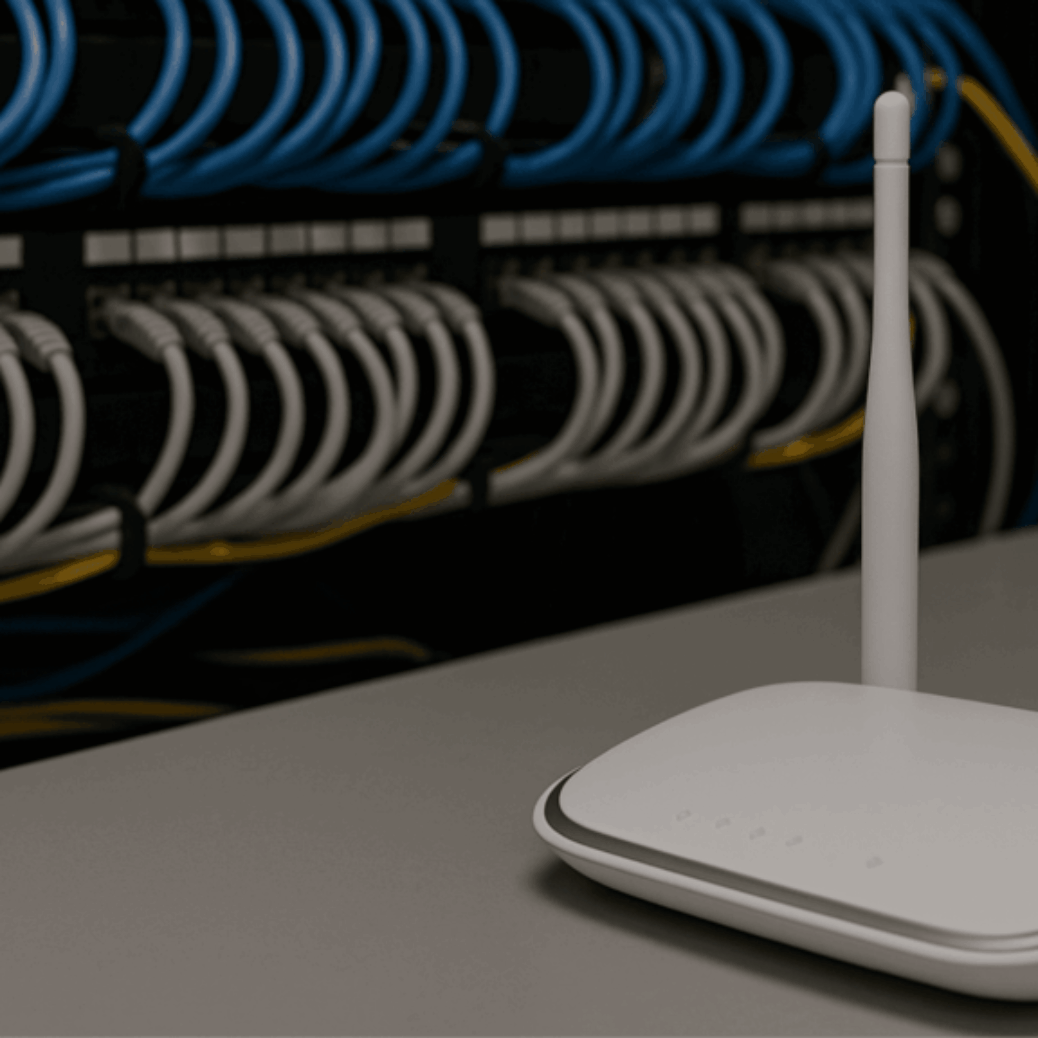
Businesses praise cable-free solutions, and this is the reason why most of them are heading towards wireless-first infrastructures. What many businesses fail to realize is that even wireless systems depend on structured cabling.
Even the wireless systems are tied back to a wired connection, be it WIFI access point, a cloud-connected device, or a server rack. The truth is that the structured cabling system is the backbone of modern communication.
The structured cabling solutions still matter in a wireless world, and this is exactly what we’re going to learn in this blog. This blog will tell you about the significance of a structured cabling system in business IT upgrades and everything else related to it.
Structured Cabling For Smart Building Infrastructure
It is crucial for businesses to get the know-how of structured cabling solutions first before getting to understand their importance and getting the network installation services. It is the process wherein the structured cabling installers design the facility’s telecommunications infrastructure or the smart building infrastructure. It is a crucial part of the commercial cabling infrastructure.
It organizes your smart building infrastructure into a clean, logical, and organized manner, so that even if you encounter any issues, resolving them won’t take much time. The structured cabling system comprises:
- Horizontal cabling
- Backbone cabling
- Patch panels
- Cross connects
- Cabling standards
While often associated with corporate offices, it is equally effective for data centers, hospitals, manufacturing facilities, and universities.
Structured Cabling: The Backbone of Wireless Infrastructure
The network installation services providers reveal that the wireless systems are not entirely wireless. No doubt that the wireless allows users to connect their devices without plugging in, but the wireless access points to which they connect still require high-speed wired connections.
You need to have structured cabling in place to connect to the main network switch, which in turn is connected via horizontal or backbone cabling to routers, servers, or internet gateways.
The Wi-Fi 6 or Wi-Fi 6E access points need businesses to have Cat6a cabling to ensure sufficient bandwidth, but this is only for the high-performance setups. You need to have a reliable internet connection for each WAP. The entire wireless experience collapses without a robust cabling system.
Top 6 Reasons to Use Structured Cabling in Your Business
You’re wrong if you think that structured cabling will not work out in the wireless world because it does, and it does the best. Check out the benefits of opting for structured cabling even in the wireless world and the difference it’ll bring for you.
Speed and Performance
The most obvious benefit of structured cabling, even in the time when everyone is going crazy for wireless, is the speed and performance. Structured cabling can help you transfer data at a much higher speed than wireless.
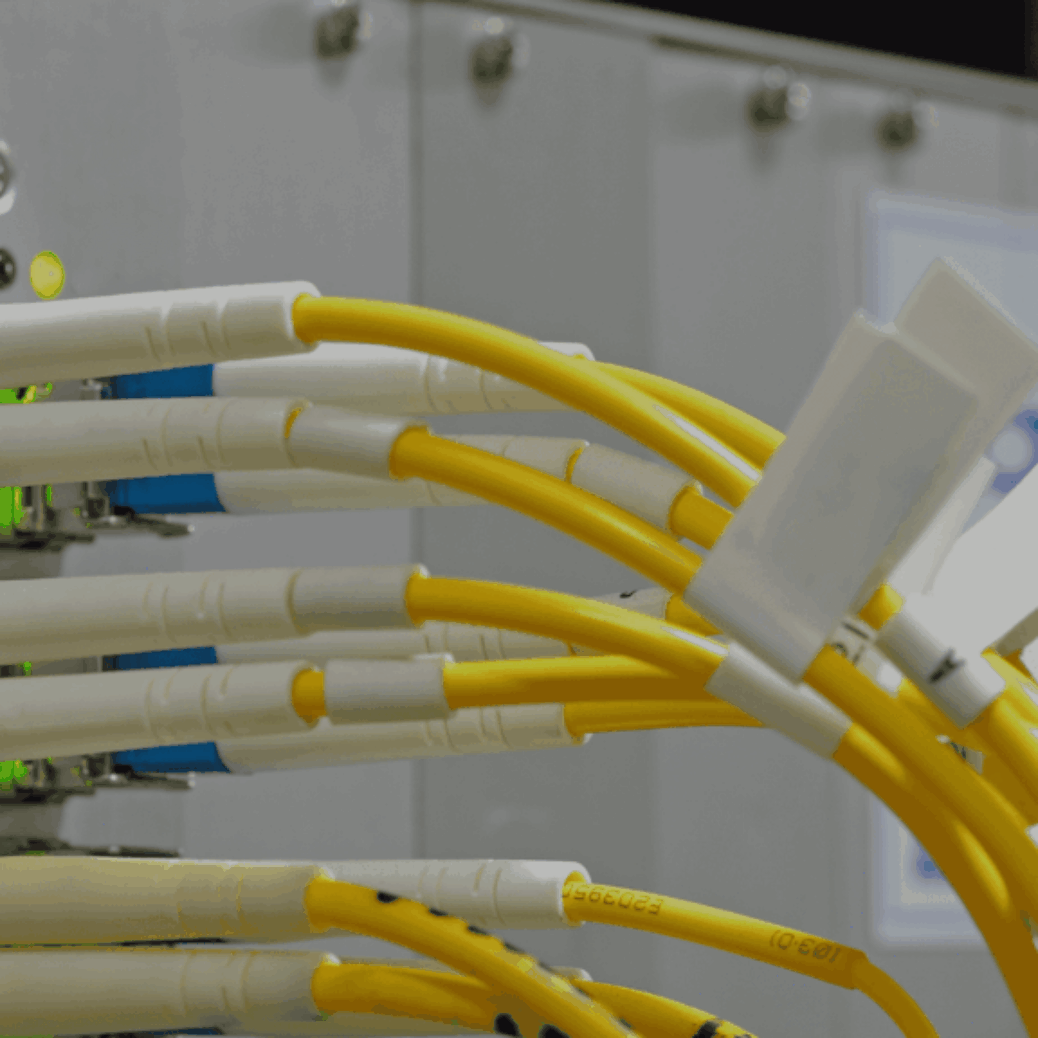
The network installation services reveal that Cat6a cables can only transmit around 10 Gbps over 100 meters, whereas fiber optic cables can transmit 100 Gbps or even more. It is beneficial for tasks that require speed, such as video conferencing, data backups, cloud access, and virtual desktops.
But this is not the case with the wireless networks, as it results in issues such as congestion, interference, and distance limitations. But your business tends to get consistent performance even in environments where the data demands are high.
Security
The wired networks are still regarded as the best because of the security they bring. The same is the case with structured cabling solutions. It is harder for anyone to gain unauthorized access because it requires physical access.
It is easy to intercept the wireless signals until it is properly encrypted and secured. Data security is not something trivial, but it matters most for industries such as healthcare, finance, and government.
This is where the structured cabling systems matter the most and provide an additional layer of protection to businesses against cyber threats.
Scalability and Flexibility
The next reason structured cabling matters in the wireless world is because of the scalability and flexibility it brings to businesses. The structured cabling systems are designed in a way to help them scale. You can easily expand without any disruptions, whether it is about adding 10 new users or adding a new building wing.
You can make the modifications fast and in a straightforward manner by using the patch panels and cable management tools. The businesses that grow rapidly, such as schools or multi-site enterprises, should make use of structured cabling.
Little to Zero Downtime
Then comes another advantage of opting for the structured cabling, that is the little to zero downtime. A disorganized cabling setup troubles businesses a lot when things go wrong. But this is not so with the structured cabling.
The organized nature of the structured cabling makes it easier for you to troubleshoot issues, which in turn reduces the downtime. You can easily find the path and solve the issue whenever the connection fails.
This saves you from running into hours of downtime and also allows IT teams to ensure their performance is up to mark and has no chaos.
Future Proofs
Another reason to choose structured cabling, even in a wireless-driven era, is that it future-proofs your network.. It means that you don’t have to invest in it all over again when your business needs change or grows.
The same structured cabling system will accommodate your needs and provide you with the best return on the investment.
Cost Efficiency Over Time
Many businesses opt for wireless because structured cabling requires a higher upfront investment. But what they fail to realize is that the higher upfront investment also pays off in the long run.
It is because structured cabling is reliable and reduces the maintenance costs. It is a shared infrastructure for the multiple systems out there.
But the wireless? The wireless-only approach requires constant upgrades, signal boosters, and troubleshooting, which only adds to the cost over time.
Debunking Common Myths About Structured Cabling Systems
There are many cabling myths that businesses have that cost them a lot in the long run and need to be gotten rid of. This is the reason why some businesses even underestimate the value of structured cabling. You need to get rid of these common myths now.
Wifi Replaces Ethernet
The most common myth among businesses is that WIFI replaces Ethernet. The WIFI does offer mobility to the businesses, but it cannot replace Ethernet when it comes to delivering high-speed and reliable connections.
Wireless access points are powered by wired connections, and critical systems rely on Ethernet for consistent performance.
Cabling is Outdated
Businesses believe that the cabling is stuck in the past. But the reality? The cabling technology has evolved significantly. You can fulfill the bandwidth needs of your business with modern cabling solutions, such as Cat6a, Cat7, Cat8, and fiber optics. The cabling does it even today, and will continue to do so in the future as well.
What you and other businesses fail to understand is that cabling is one of the most future-ready components of the IT infrastructure.
Wired Networks are Messy
Businesses are running after wireless, thinking that the wired networks are messy, but this is only a myth and nothing else. You no longer fear the risk of tangled wires and cable chaos if you implement structured cabling solutions in the right way.
All you need to do is follow a clean and organized approach with color coding, labeling, and strategic routing, as this minimizes the clutter and makes it easier for you to maintain the network infrastructure well.
Wireless is Cheaper
You see, more businesses are after wireless, thinking that it costs less than wired. Initially, you pay less for the wireless network, but it turns out to be an expensive affair for you in the long run. Your network infrastructure becomes prone to issues such as signal interference, lower speeds, coverage gaps, and ongoing maintenance.
But structured cabling, on the other hand, asks businesses for a higher upfront investment but gives the best return on the investment. It is because structured cabling is reliable, durable, and easy to upgrade.
Must-Know Things to Design a Structured Cabling System in a Workplace
How structured cabling turns out for you depends on how you design it for your workplace. You need to plan and collaborate between IT, facilities management, and business leaders to design a cabling system for your workplace.
Starts with a Needs Assessment
The first thing that needs to be done is the needs assessment. When doing the needs assessment, take into account the number of devices, expected growth, building layout, and user behavior.
Besides this, also consider the increasing number of connected devices, such as laptops or phones, in remote or in-office settings.
Plan for Flexibility and Growth
You need to take into account the future needs as well, and not only the current needs. You can consider using the modular patch panels, cable drops, and ceiling-mounted access points to make the changes easily without getting any rewiring done.
Also, have an extra space in the cable trays and conduits to make the changes in the future as and when required.
Segment Network Zones Strategically
The next thing is to segment the network zones strategically. The structured cabling needs to be divided into logical zones, such as workstations, conference rooms, and server rooms, for easier management.
Use PoE Cabling Where Applicable
The businesses should consider using PoE wherever possible. The power over Ethernet makes the deployment of devices a lot easier, such as security cameras or VoIP phones, by eliminating the need to have separate power lines.
Clear Labeling and Documentation
It is crucial to label the cables properly and also to document the entire cable layout. This helps the businesses in future maintenance, auditing, and troubleshooting the network infrastructure.
This ensures businesses a scalable and flexible infrastructure. It also future-proofs your network infrastructure and makes it easy to adapt to the changing workplace dynamics.
The Structured Cabling Standards and Compliance
What most businesses miss is the compliance with the structured cabling standards and regulations. It is crucial to ensure compliance with the structured cabling standards for the reasons cited below:
- It ensures your system is secure.
- It ensures your system is interoperable and optimized for performance.
Businesses need to adhere to the industry standards, such as ANSI, TIA, and ISO, as each of these standards offers long-term benefits to the businesses. The ANSI is a widely recognized standard and also outlines the performance requirements for structured cabling, such as specifications for connectors, testing, and distance.
ISO is another industry standard that ensures structured cabling systems across different countries and manufacturers stay consistent.
Businesses must follow these standards as this not only supports the system’s efficiency but also enables easier upgrades and troubleshooting. The only thing to take care of is to work with certified installers to ensure your smart building infrastructure meets both current as well as future needs.
Hiring Certified Installers For Installation
It all matters on who you hire for the installation, so here are a few things to keep in mind when hiring the installers.
Experience Comes First.
Check the experience first before anything else. When evaluating the experience, pay heed to the experience working with businesses similar to your industry and then decide which one to hire and which not to.
Market Reputation
How well the installer is perceived in the market is another thing to take note of. Check their online reviews and get in touch with the businesses they have served in the past to get to know about them and decide accordingly.
Final Say
This is why structured cabling matters in the wireless world and will continue to do so even in the future. Structured cabling delivers performance that wireless alone cannot deliver. All you need to do is hire the network installation services, depending on the points stated above, and future-proof your network.

CORPORATE OFFICE
1509 W Hebron Parkway
Suite Number 150
Carrollton, TX 75010