
What Is the Best Fix for Slow Downloads and Network Drops?

A single bend can quietly ruin a fiber optic cable installation long before your team notices a problem. Slow file transfers, dropped calls, cloud lag, and downtime often start with installation mistakes that stay hidden until performance suffers. For businesses in DFW, bend radius mistakes can damage network reliability, increase troubleshooting costs, and shorten the life of the entire system.
Quick Answers: What Businesses Need to Know
What is the main reason bend radius mistakes damage fiber optic cable installation?
When a fiber optic cable is bent beyond its allowed limit, light can leak from the core or scatter inside the cable. That weakens signal quality, increases attenuation, and creates performance problems that may not be visible from the outside.
Can one improper bend really affect network performance?
Yes. Even one improper bend can create signal loss, intermittent connectivity, bandwidth drops, or long-term internal damage. These issues often show up later as slow performance, downtime, and costly troubleshooting.
How can businesses prevent bend radius mistakes?
Businesses can prevent bend radius mistakes by following manufacturer guidelines, planning cable pathways carefully, avoiding tight routing and over-tightening, and making sure qualified structured cabling contractors handle installation and testing.
What Is Fiber Optic Bend Radius?
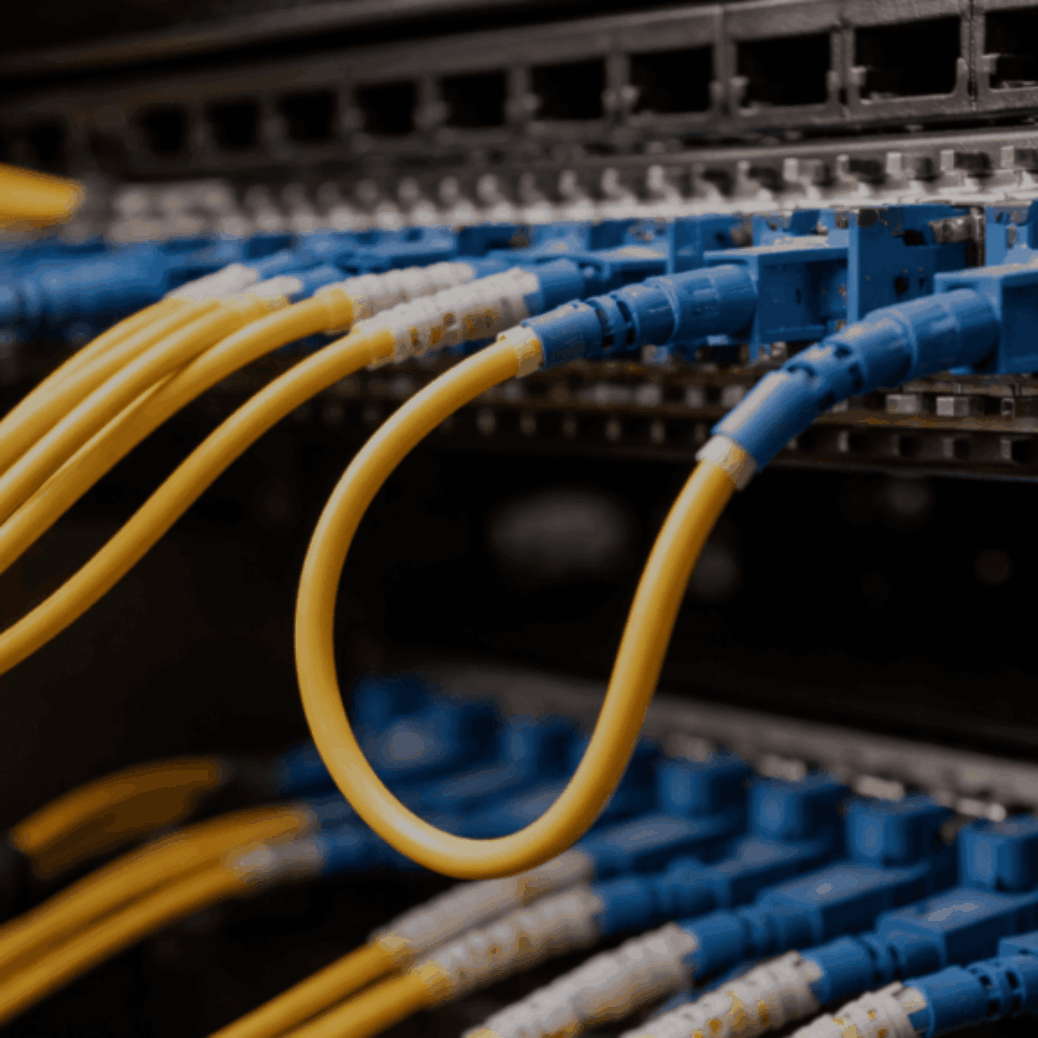
The bend radius is the minimum amount a fiber optic cable can be bent without causing damage to the cable or the installation. Every manufacturer clearly specifies the bend radius.
There are two types:
- Minimum static bend radius: This is when the cable is stationary.
- Minimum dynamic bend radius: This is during pulling or installation.
This simply means that if a business in DFW exceeds the minimum bend radius, it will show in network performance and installation quality. Fiber optic cable is not like copper cable. Its design is powerful, but it is also sensitive.
Why Bend Radius Matters in Fiber Optic Cable Installation
Most businesses think bending fiber optic cable is fine unless they start experiencing issues while working. But the reality is that bending this cable beyond its limit is dangerous. To understand the risk, you need to understand how fiber works.
It is the core of the fiber optic cable through which light travels. The light is cleanly reflected along the core when the cable remains within its proper bend limits. But when you bend the cable too tightly, you make your network prone to the two issues outlined below.
Microbending
You get microscopic distortions in the fiber optic cable that make the light scatter. Due to this, the signal quality degrades.
Macrobending
This happens when there are large and visible bends in the fiber optic cable. The large bends force the light to escape from the core, which results in immediate signal loss.
Both of these bends then lead to the following issues:
- Slower data transmission
- Intermittent connectivity
- Increased attenuation
- Packet loss
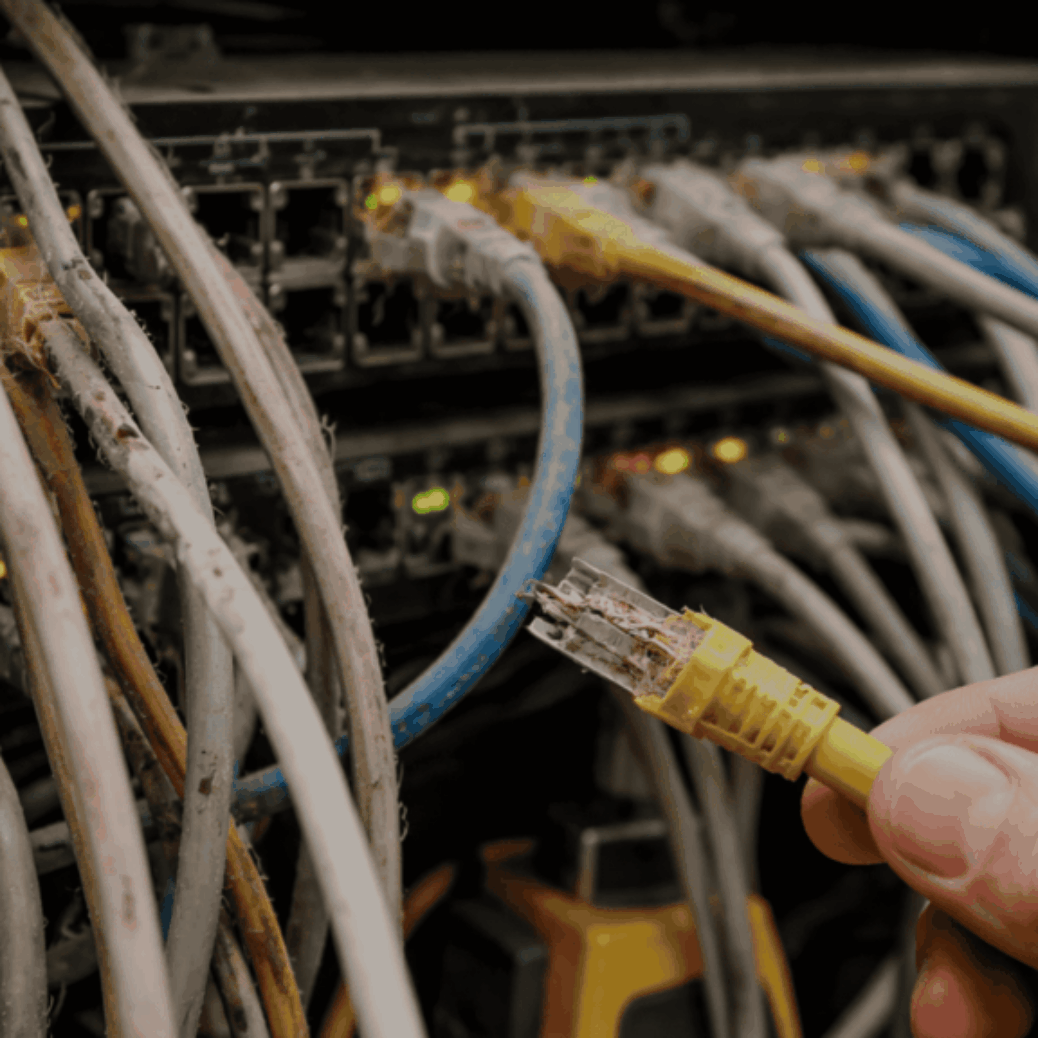
From the outside, the fiber optic cable might look fine, but internal damage may already be impacting performance.
Common Bend Radius Mistakes Structured Cabling Contractors See in DFW
Most businesses treat bending fiber optic cabling as normal, but it is not. Sometimes, even experienced technicians can make mistakes when proper standards are not followed. The most common mistakes seen during fiber optic cable installation are as follows.
Tight Cable Routing in Conduits
- Overcrowded pathways
- Sharp turns inside walls
- Pulling fiber through an undersized conduit
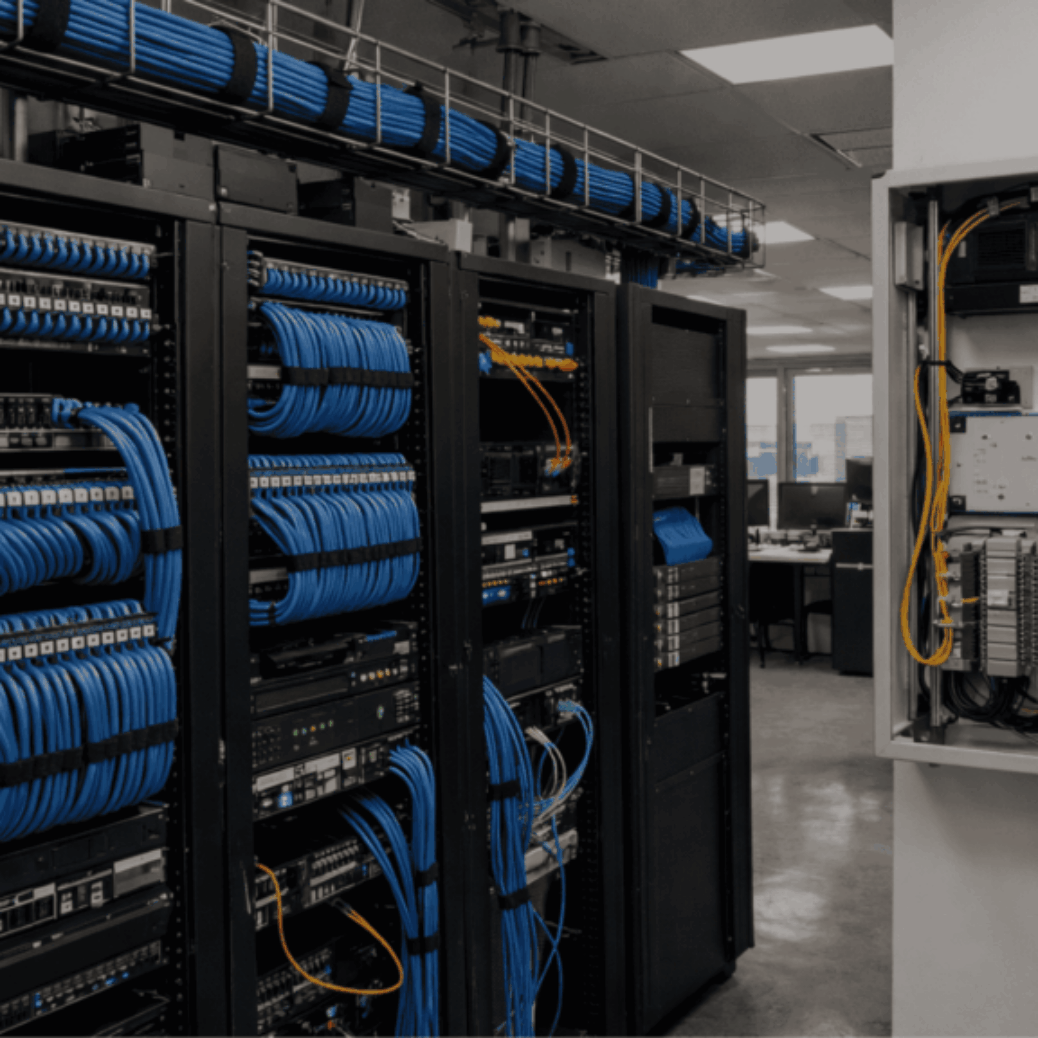
Lack of Rack and Patch Panel Management
- Cables forced into tight spaces
- Excessive slack crammed into racks
- Tight Velcro or zip ties restricting movement
Ignoring the Manufacturer’s Specifications
Every fiber optic cable is not the same. Some fiber optic cables cannot be bent much at all, whereas others can be bent up to a certain limit. Installation errors happen when you ignore the manufacturer’s specifications written for the fiber optic cable.
Excessive Pulling Force
Sometimes installers pull too hard. This stretches the cable and exceeds its bend tolerance, especially at the corners.
Poor Network Closet Design
Poor network closet design, such as small racks, tight cable trays, and unplanned layouts, also increases the risk of sharp bends. All these mistakes make it vital for businesses to hire experienced structured cabling contractors to design cable pathways before installation even begins.
5 Ways Bend Radius Mistakes Start Hurting a Fiber Network
- They increase signal attenuation.
- They create hidden internal damage.
- They cause sudden light leakage and bandwidth drops.
- They shorten the lifespan of the cable.
- They increase downtime and troubleshooting costs.
Minimum Bend Radius by Cable Type
Most businesses fail to follow the bend radius limits defined by the manufacturer. Here is a table that shows the minimum fiber cable bend radius by cable type.
| Cable Type | Static Bend Radius | Dynamic Bend Radius | Max Attenuation |
|---|---|---|---|
| Single-Mode (SMF) | 10× cable diameter | 20× cable diameter | ≤ 0.05 dB (within spec) |
| Multimode (MMF) | 10× cable diameter | 20× cable diameter | ≤ 0.1 dB |
| Armored Fiber Cable | 15×–20× cable diameter | 25× cable diameter | ≤ 0.1 dB |
| Bend-Insensitive Fiber | 7.5×–10× cable diameter | 15× cable diameter | Minimal |
How Bend Radius Errors Increase Fiber Optic Installation Costs
Most of the time, businesses consider these to be small technical errors, but they are severe and can hamper network performance over the long term. These are structural mistakes that affect the performance, lifespan, and reliability of your entire network.
Increased Signal Attenuation
Fiber optic cable transmits data through light pulses, meaning that when you bend the cable beyond its minimum radius, some of the light escapes from the core. This causes signal attenuation, which results in issues like reduced bandwidth efficiency, degraded performance, slower data speeds, and higher error rates. The worst part is that attenuation goes on increasing gradually. Your network might still work, but it fails to deliver the desired performance.
Microbending Causes Hidden Internal Damage
Microbending in the fiber optic cable causes hidden internal damage. You might not see it, but it is there. Over time, microbending results in intermittent connectivity issues, inconsistent network behavior, disrupted light transmission, and increased insertion loss. This is why experienced structured cabling contractors handle fiber optic cable with care and avoid over-tight cable ties or excessive compression in trays.
Severe Light Leakage
Macrobending causes severe light leakage. This happens when you bend the cable too tightly, such as wrapping it tightly around a rack edge. Unlike microbending, macrobending causes immediate and measurable signal loss, which results in disruptions in video conferences, sudden bandwidth drops, cloud application lag, and VoIP call failures.
Permanent Fiber Damage and Breakage
The improper bends in the cable place stress on the fiber, which can lead to cracks, fractures, and structural weakness in the cable. Over time, these fractures can cause complete failure of the fiber optic cable. In such cases, repair is not possible, and full replacement becomes necessary.
Reduced Network Lifespan
A properly installed fiber optic network typically lasts around 15 to 20 years. But improper bends reduce this lifespan significantly. Added stress makes the cable more vulnerable to premature wear, signal degradation, and physical damage.
Increased Troubleshooting and Downtime Costs
When signal loss occurs, IT teams often spend hours diagnosing the issue. In many cases, the root cause turns out to be improper cable routing or excessive bending. This results in increased service calls, higher maintenance costs, and unexpected downtime.
Compromised Network Performance
High-speed fiber networks require precision during installation. Even small violations can prevent the network from delivering expected performance. This leads to slow data transfer speeds, lag in cloud applications, poor VoIP quality, and reduced operational efficiency.
When Is a Bent Fiber Cable Recoverable?
Every bend radius mistake does not result in permanent damage, but many do. In some cases, slight bends can be corrected before they cause major issues. But if the damage is already internal, the cable may need replacement.
Professionals use tools like OTDR (Optical Time Domain Reflectometer) to test fiber performance and identify faults. If attenuation levels are within acceptable limits, the cable may still be usable. However, if signal loss is too high, replacement is the safer option.
Best Practices to Prevent Bend Radius Mistakes
The best way to avoid costly repairs and downtime is to follow proper installation practices.
Follow the Manufacturer’s Guidelines
Installers must always follow manufacturer specifications for bend radius limits. These guidelines ensure that the cable operates within safe limits and maintains optimal performance.
Maintain Proper Bend Radius
Installers must ensure that no sharp bends occur during installation. Proper routing and planning help maintain the correct bend radius throughout the network.
Avoid Over-Tightening
Many businesses overtighten fiber optic cable using zip ties or fasteners. This creates excessive compression and leads to microbending. Instead, use proper fastening methods that secure the cable without restricting its natural shape.
Plan Network Closet Layout Carefully
A well-designed network closet prevents unnecessary bends and stress. This includes adequate rack space, proper cable pathways, and organized cable routing.
Use Cable Supports and Routing Pathways
Cable trays, supports, and guides help maintain proper alignment and prevent sharp bends. These tools ensure that cables remain protected and organized.
Conduct Proper Testing After Installation
Testing is critical after installation. Professionals use tools like OTDR to verify signal strength, attenuation levels, and overall cable integrity. Testing ensures that the installation meets performance standards.
Final Thoughts
Bend radius mistakes may seem small during installation, but they can create serious long-term problems. Improper bending affects network performance, increases costs, and reduces the lifespan of your infrastructure. The right approach is to work with experienced structured cabling contractors who understand proper installation standards and follow best practices from the beginning.
Fix Fiber Network Issues Before They Cost You More
Concerned about signal loss, downtime, or recurring fiber issues? Schedule a professional fiber optic inspection and bend radius audit today. Identify hidden problems early and ensure your network delivers consistent, high-performance connectivity for your business.
Frequently Asked Questions
What happens if the bend radius of a fiber optic cable is exceeded?
When the bend radius is exceeded, light signals can leak or scatter inside the cable. This reduces signal strength, increases attenuation, and leads to slow network performance or connection drops. Over time, repeated stress may also cause internal damage that requires cable replacement.
Can bend radius mistakes cause long-term network issues?
Yes, bend radius mistakes often lead to long-term performance problems. Even if the network appears to work initially, internal damage can worsen over time. This results in inconsistent speeds, higher error rates, and frequent downtime, making troubleshooting more difficult and costly.
How do professionals check fiber optic cable damage?
Professionals use tools like OTDR (Optical Time Domain Reflectometer) to test fiber optic cables. These tools measure signal loss, identify weak points, and detect internal faults. Based on test results, technicians can determine whether the cable can be repaired or needs replacement.
What is the correct bend radius for fiber optic cables?
The correct bend radius depends on the cable type and manufacturer specifications. Typically, it ranges between 10 to 20 times the cable diameter. Following these guidelines ensures proper signal transmission and prevents performance issues caused by excessive bending.
Can improper installation increase fiber optic maintenance costs?
Yes, improper installation significantly increases maintenance costs. Bend radius mistakes lead to signal loss, repeated troubleshooting, and unexpected downtime. Over time, businesses may need frequent repairs or complete cable replacement, which adds to operational expenses.
Why should businesses hire structured cabling contractors?
Structured cabling contractors have the expertise to design and install networks correctly. They follow industry standards, maintain proper bend radius, and test installations thoroughly. This reduces the risk of performance issues and ensures long-term reliability of the network infrastructure.

CORPORATE OFFICE
1509 W Hebron Parkway
Suite Number 150
Carrollton, TX 75010