

How Structured Cabling Improves Data Center Uptime in Dallas

Quick Answer: Structured cabling improves data center uptime by keeping network cables organized, labeled, tested, and easier to troubleshoot. In a data center or server room, messy cabling can block airflow, delay repairs, create port confusion, increase downtime, and make future upgrades harder. A structured cabling system uses planned cable pathways, patch panels, fiber backbone connections, rack organization, labeling, and certification testing to make the network simpler to manage. When every cable run is documented and properly terminated, IT teams can identify problems faster, replace faulty connections with less disruption, and scale the system without creating cable clutter. For Dallas businesses that rely on stable servers, switches, storage, cloud access, VoIP, and business applications, structured cabling helps protect performance and long-term network reliability. Data cabling installation services in Dallas-Fort Worth
Why Data Center Cabling Matters More Than Most Businesses Realize
Every business focuses on the equipment. Faster servers. Better switches. Upgraded firewalls. Bigger internet pipes. That is all important, but the physical cabling that connects everything together gets overlooked constantly.
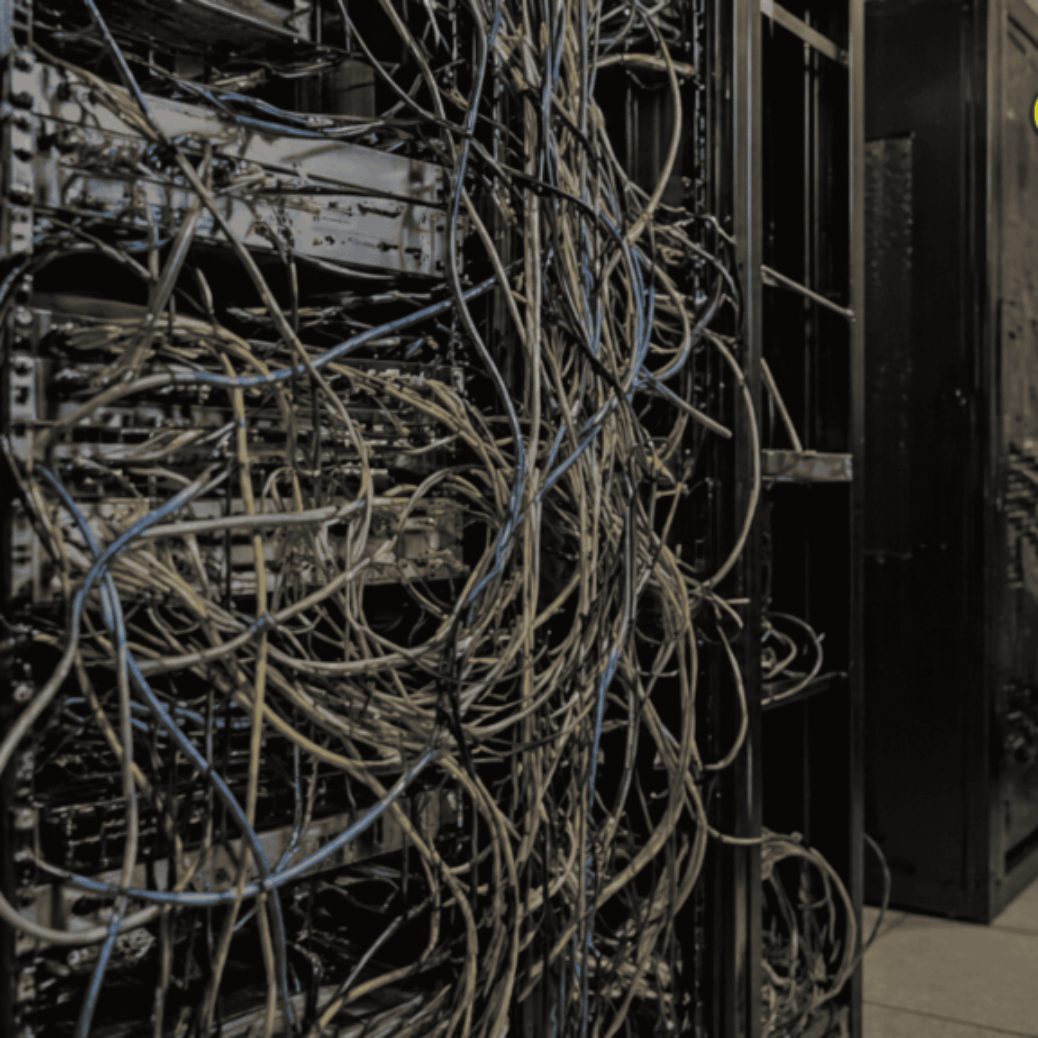
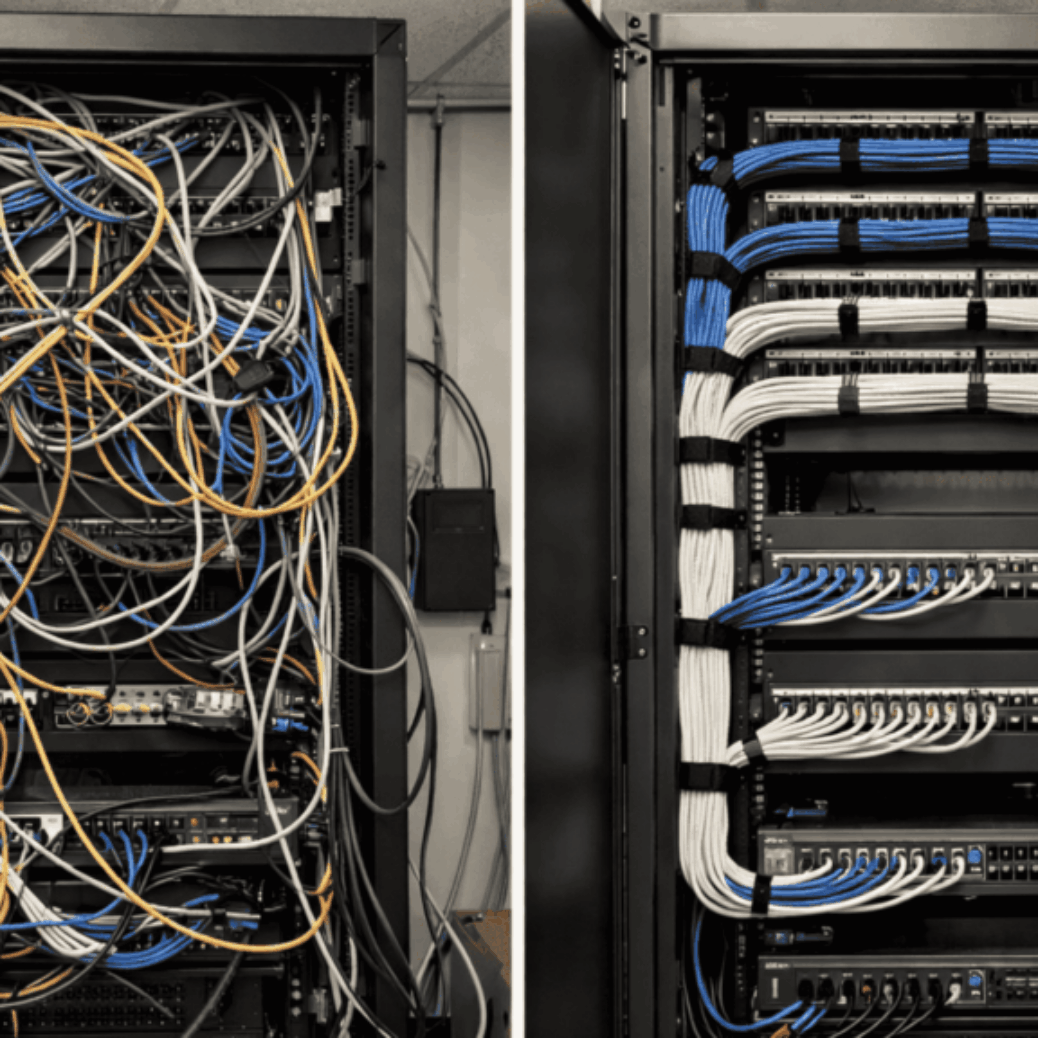
A data center, server room, MDF, or IDF can turn into a management nightmare fast when cables are installed without a plan. We have walked into server rooms in Dallas where the cable situation had gotten so bad that the IT team was afraid to touch anything because they did not know what was connected to what. Patch cords draped across switches. Fiber cables bent past their radius and taped to the rack frame. Zero labels on any patch panel port.
When that is the state of things, every troubleshooting session takes three times longer than it should. Every upgrade becomes a risk because pulling one cable might disconnect something else. Emergency repairs during an outage turn into guessing games. And airflow gets choked by cable bundles stuffed into every gap between the equipment. This guide explains how structured Dallas cabling practices solve these problems in data centers and server rooms.
What Is Structured Cabling for Data Centers?
Structured cabling is an organized cabling system designed to handle the density and complexity of a data center or server room. Instead of running individual cables point-to-point from one device to another and hoping for the best, structured cabling uses a planned layout with dedicated pathways, patch panels, cable managers, labeling, and documentation.
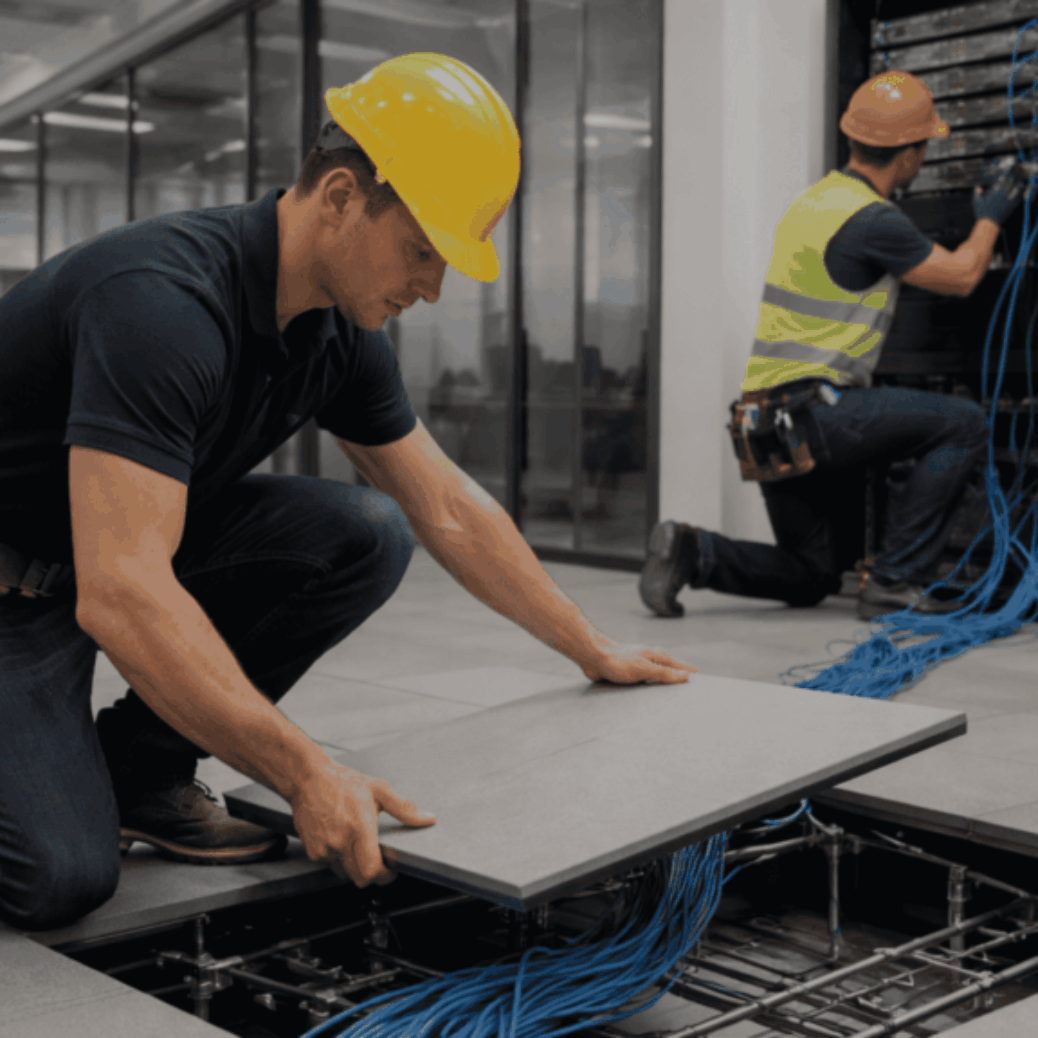
In a data center, structured cabling connects servers, switches, routers, storage arrays, UPS systems, PDUs, out-of-band management devices, and fiber backbone links. The cable runs follow planned routes through overhead trays, under-floor pathways, or vertical managers within the racks. Each cable terminates at a patch panel or fiber panel, and each port is labeled with a consistent naming scheme.
The difference between structured cabling and a point-to-point mess is the difference between a filing system and a pile of loose papers. Both technically hold the same information, but only one lets you find what you need in a reasonable amount of time.
Structured cabling for data centers gives IT teams a cleaner, safer, and more reliable way to manage high-density network connections. It costs more upfront than just running cables wherever they fit, but it pays back every single time someone needs to troubleshoot, upgrade, or expand.
How Poor Cabling Causes Data Center Downtime
Downtime does not always start with a hardware failure. Sometimes the root cause is something much simpler and more preventable: bad cabling.
Loose connections at patch panels or switch ports can cause intermittent link drops. A server that bounces between online and offline every few minutes might not have a bad NIC. It might have a patch cord with a damaged clip that is barely holding onto the port. Bad copper terminations that were not tested after installation can pass enough traffic to look functional during setup but fail under load.
Damaged fiber runs are another common problem. Fiber optic cables are sensitive to bending. A multimode fiber patch cord bent past its minimum radius during a rack reorganization can develop micro-fractures that increase signal loss gradually. The link might work fine for months and then start throwing CRC errors during peak traffic.
Confusing patch panel layouts are a major contributor to accidental downtime. When an IT technician needs to swap a patch cord and every port on the panel looks identical with no labels, the risk of unplugging the wrong connection is real. We have seen production servers taken offline during routine maintenance because someone pulled the wrong patch cord in an unlabeled rack.
Cables blocking airflow cause a slower kind of downtime. Equipment overheats gradually, fans run at maximum speed, and eventually a switch or server hits its thermal threshold and shuts down or throttles performance. The cable bundle stuffed behind the rack is not just ugly. It is actively cooking the equipment.
None of these problems require exotic solutions. They require structured cabling: planned pathways, clean terminations, testing, labels, and cable management.
Main Ways Structured Cabling Improves Uptime
The uptime benefits of structured cabling are not theoretical. They show up every time someone needs to make a change, find a fault, or add capacity.
Cleaner Cable Paths Reduce Accidental Disconnections
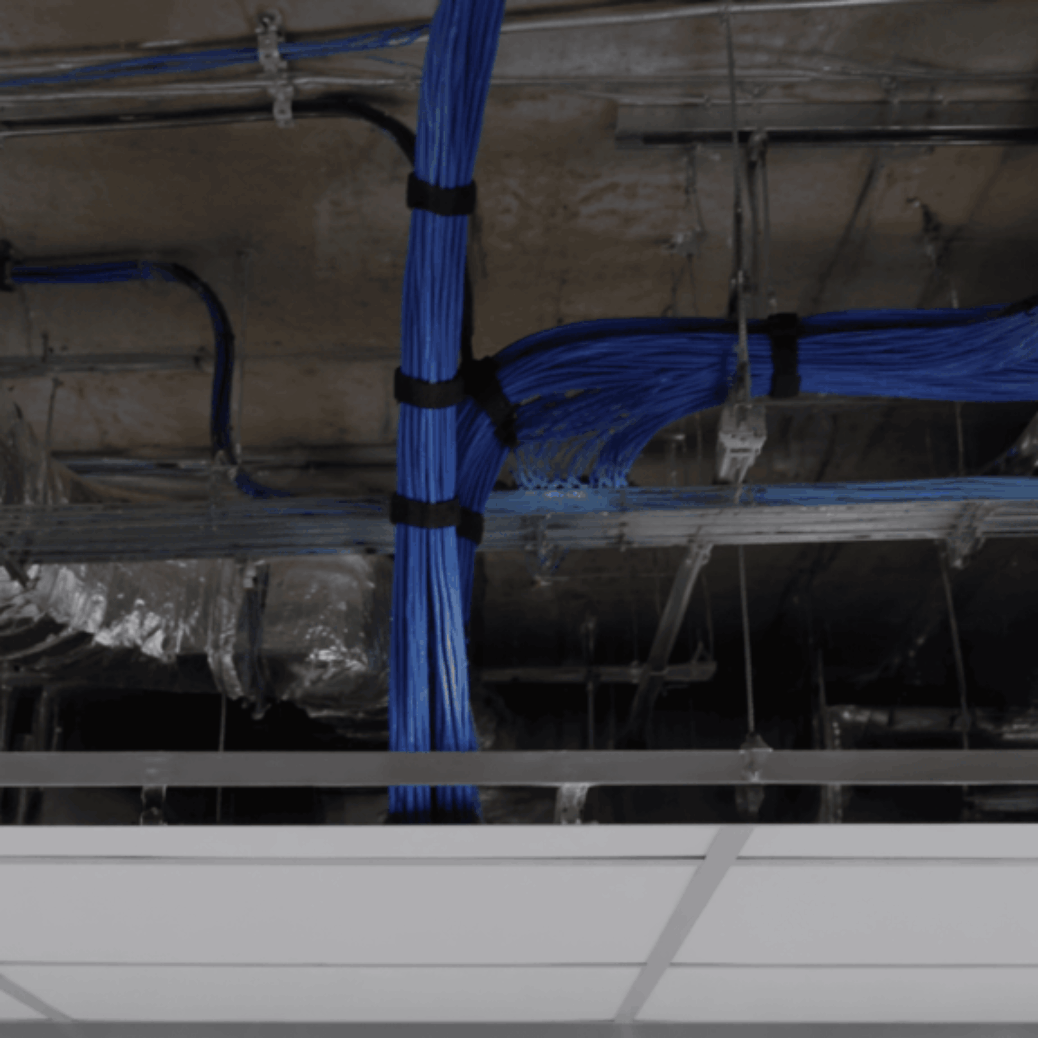
In a well-cabled data center, every cable follows a defined path from its source to its destination. Patch cords run through horizontal cable managers between switches and patch panels. Fiber cables are routed through fiber trays with proper bend protection. Nothing is draped across the top of equipment or hanging loose behind a rack. When a technician needs to work in the rack, they can access any device without disturbing cables that belong to other systems. The risk of accidentally disconnecting a production link drops significantly.
Proper Labeling Speeds Up Fault Isolation
Labels are the fastest troubleshooting tool in any data center. When a server goes down, the technician checks the port on the server NIC, reads the label, finds the corresponding label on the patch panel, checks the switch port, and isolates the problem in minutes. Without labels, the same process involves a toner probe, a flashlight, and a lot of cable tracing through a rack full of identical-looking patch cords. Labeling both ends of every cable, every patch panel port, and every switch port is one of the cheapest things a business can do to reduce mean time to repair.
Tested Cable Runs Reduce Hidden Failure Points
Every copper and fiber cable run should be tested after installation with a certification tester. For copper, this means wiremap, length, insertion loss, return loss, and crosstalk testing against the cable category standard. For fiber, it means optical loss testing and polarity verification. Testing catches bad terminations, damaged cable, and installation errors before they cause production issues. A cable that was installed six months ago and never tested is a hidden failure point waiting for the worst possible moment to fail.
Patch Panel Cabling Keeps Changes Controlled
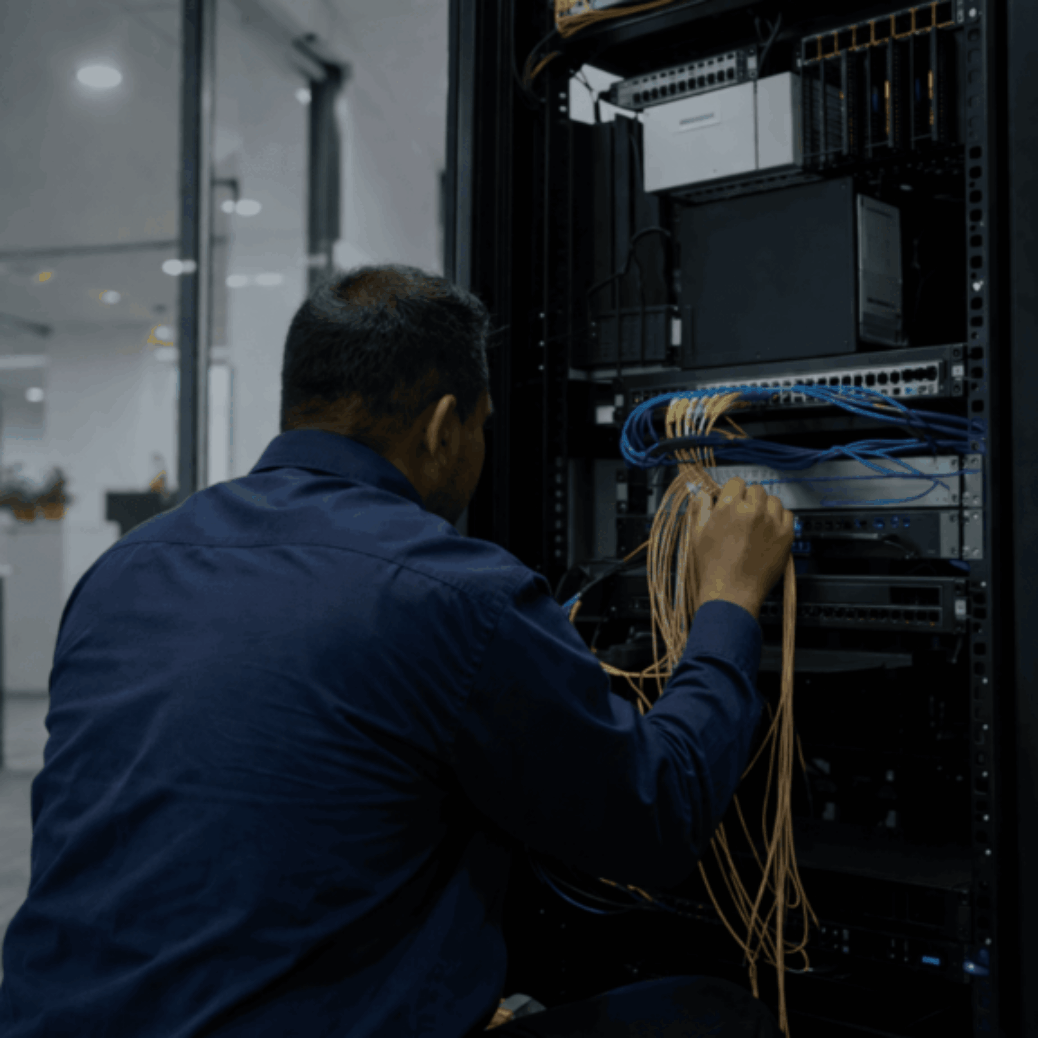
Patch panels create a separation between the permanent cable infrastructure and the temporary connections to active equipment. When a switch port needs to change, the technician moves a patch cord at the panel instead of re-routing a cable through the entire rack. When a server moves to a different rack unit, the permanent cable stays in place and only the patch cord changes. This separation reduces the number of cables being disturbed during routine changes and keeps the rack cleaner over time.
Fiber Backbone Cabling Supports Stable High-Speed Links
Fiber backbone cabling connects the high-bandwidth areas of a data center. The MDF to IDF connections, inter-rack links for storage traffic, uplinks between core and distribution switches, and connections to WAN equipment all benefit from fiber. Unlike copper, fiber is immune to electromagnetic interference and supports much longer distances without signal degradation. A properly planned fiber backbone with tested terminations, clean connectors, and documented paths gives the data center a stable high-speed foundation that does not degrade as the environment gets busier.
Data Center Cable Management and Airflow
Cable management in a data center is not about making things look nice for a photo. It is about protecting equipment, maintaining airflow, and keeping the environment workable for technicians.
Servers and switches are designed to pull cool air from the front of the rack and exhaust hot air out the back. When cable bundles block the front intake or the rear exhaust, the equipment cannot cool itself properly. Internal temperatures rise, fans spin harder, and the hardware starts operating outside its designed thermal range. Over time, this shortens the lifespan of components and increases the chance of unexpected failure.
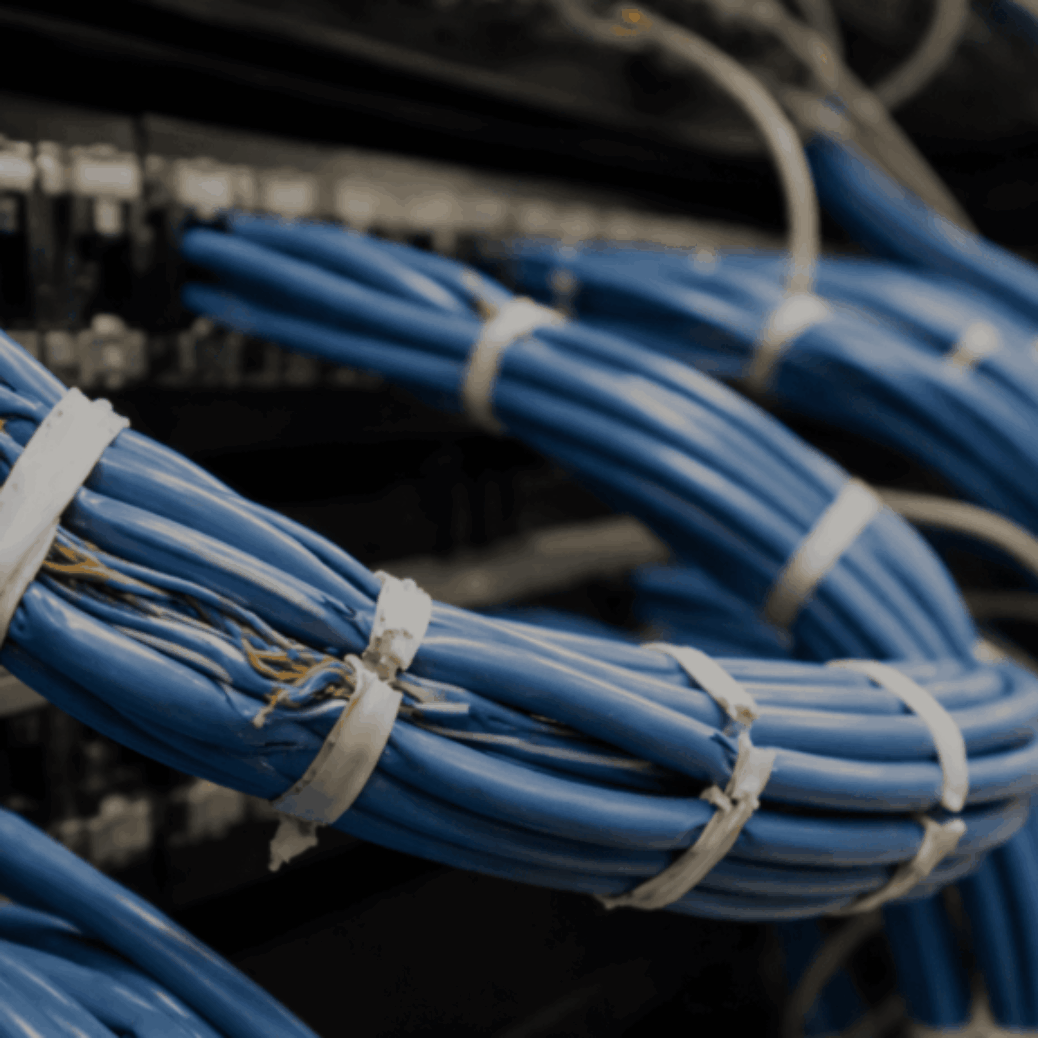
Proper cable management uses several tools to keep things organized. Horizontal cable managers between rack units keep patch cords aligned and out of the way. Vertical cable managers on the sides of the rack route cables from the patch panel area to the switch or server area without crossing in front of equipment. Cable trays above or below the rack route longer runs between racks. Velcro straps hold cable bundles together without crushing them the way zip ties can. Panduit data center cable management solutions offer a range of rack-level and pathway-level products designed for high-density environments.
Fiber cable needs extra attention. Fiber patch cords and trunk cables have minimum bend radius requirements. Bending a fiber cable too tightly can damage the glass core and increase signal loss. Fiber trays, spools, and routing guides inside the rack help maintain proper bend radius while keeping fiber runs organized and accessible.
Good data center cable management is not only about appearance. It helps protect equipment access, airflow, troubleshooting speed, and long-term reliability.
Patch Panel Cabling: Why It Matters in Data Centers
Patch panels are one of the most underappreciated components in a data center. Business owners and even some IT teams think of them as just a row of ports on the rack. In practice, they are the central management point for the entire cabling system.
A patch panel creates a fixed termination point for permanent cable runs. The cable from a wall jack, ceiling drop, or inter-rack pathway terminates on the back of the panel. A short patch cord on the front connects the panel port to a switch port, server NIC, or other device. This setup means the permanent cable is never disturbed during routine moves, adds, and changes.
When a server needs to move from port 12 to port 24 on the switch, the technician swaps the front-side patch cord. The back-side termination stays in place. When a switch gets replaced, the patch cords are reconnected to the new switch without touching the panel or the permanent cable. This controlled separation reduces errors and keeps the infrastructure stable.
Patch panel cabling also makes documentation practical. Each port on the panel can be labeled with the destination (room, rack, device) and cross-referenced to the switch port it connects to. This creates a cable map that any technician can follow without prior knowledge of the site.
Patch panel cabling gives IT teams a cleaner way to manage changes without disturbing permanent cable runs. In high-density data center environments where dozens or hundreds of connections terminate in the same rack, that control matters.
Fiber Backbone Cabling for Data Centers and Server Rooms
Fiber backbone cabling is the high-speed highway inside a data center. While copper patch cords handle the short connections between patch panels, switches, and servers within a single rack or adjacent racks, fiber handles the longer and higher-bandwidth links that tie the data center together.
The most common use of fiber backbone cabling is connecting the MDF to one or more IDFs. In a multi-room data center or a campus environment, fiber links the primary network room to secondary rooms that serve different areas of the building or different floors. Fiber is also used for inter-rack connections carrying storage traffic (like iSCSI or Fibre Channel), uplinks between core and aggregation switches, and connections to WAN or internet edge equipment.
There are two main types of fiber used in data centers. Multimode fiber (typically OM3 or OM4) is common for shorter runs within a building, usually up to 300 to 400 meters depending on the speed and fiber grade. Single-mode fiber handles much longer distances and is used for campus connections, building-to-building links, and carrier handoffs.
Both types need proper termination, testing, and labeling. Fiber connectors (LC, SC, MPO) must be clean and properly polished. Dirty or scratched connectors are one of the most common causes of fiber link problems. Fiber patch panels organize the termination points and protect connectors from damage. Leviton fiber optic cabling solutions provide a range of panels, enclosures, and connectivity options for data center fiber infrastructure.
Fiber backbone cabling supports future bandwidth growth because the same fiber strand can often carry faster signals with just an optic upgrade at each end. A multimode fiber installed today for 10G can often support 25G or 40G later with the right transceivers, without pulling new cable.
Structured Cabling vs Point-to-Point Cabling
Some smaller server rooms start with point-to-point cabling. A cable runs directly from one device to another. No patch panel in between. No structured pathway. It works fine when there are five or ten connections and one person manages everything.
The problem is that point-to-point cabling does not scale. As more devices, switches, servers, and connections get added, the cable situation snowballs. What started as a clean setup turns into a web of cables crossing the rack in every direction. Tracing a single connection becomes a hands-and-knees job. Making a change without disturbing something else becomes nearly impossible.
|
Cabling Type |
Best For |
Long-Term Risk |
|
Point-to-point |
Small temporary setups with few connections |
Becomes messy and unmanageable as systems grow |
|
Structured cabling |
Data centers, server rooms, growing networks |
Needs upfront planning but is far easier to manage, troubleshoot, and expand |
For any data center or server room that expects to grow, change equipment, or support more users over time, structured cabling is the better investment. The upfront planning saves hours of troubleshooting and rework later. CommScope data center cabling solutions support high-density structured cabling designs built for long-term scalability.
How Structured Cabling Speeds Up Troubleshooting
Troubleshooting is where structured cabling earns its investment back fastest. The difference between a labeled, organized system and a messy one is measured in hours, not minutes.
Here is how a typical fault isolation works in a structured environment. A server goes offline. The IT technician checks the server NIC and reads the port label. The label says “PP1-A12,” which means Patch Panel 1, Port A12. The technician walks to the rack, finds Port A12 on the patch panel, and checks the front-side patch cord. If the patch cord tests fine, the technician checks the switch port on the other end. Within five minutes, the problem is isolated to either the patch cord, the patch panel termination, the switch port, or the cable run itself.
Now compare that to the same scenario in an unlabeled data center. The server is down. The technician looks at the NIC port and sees a cable running into a bundle of 48 identical patch cords behind the rack. There are no labels on anything. The technician grabs a toner probe and starts tracing the cable through the bundle, across horizontal managers, and down to a patch panel where every port looks the same. Twenty minutes later, they think they have found the right port but are not sure enough to unplug it because the last time someone guessed wrong, a production database went offline.
Structured cabling eliminates that uncertainty. Faster port identification. Easier cable tracing. Cleaner rack access. Better documentation. Less guesswork. Faster device isolation. Reduced risk of unplugging the wrong cable. Easier replacement of bad patch cords. Faster testing of copper and fiber links.
For Dallas businesses that depend on server uptime, clean cabling is not optional. It is part of the reliability strategy. Learn more about ethernet installation services that support organized, testable data center cabling.
Common Cabling Problems Found in Data Centers
We have inspected data centers and server rooms across the Dallas-Fort Worth area, and the same problems keep showing up. Most of them are preventable.
- Unlabeled cables where nobody knows which port connects to which device
- Overloaded racks with too many cables stuffed into too little space, blocking equipment access and airflow
- Mixed cable types where Cat5e, Cat6, and Cat6A patch cords are used interchangeably without anyone tracking which is which
- Tight cable bends, especially on fiber, that increase signal loss and create intermittent link problems
- Old patch cords with worn clips that do not seat properly in the port and cause connection drops
- Poor cable routing where cables cross the front of equipment, block indicator lights, and make it impossible to remove a server without first untangling a pile of cords
- Fiber bend damage from cables routed around sharp corners without proper guides or trays
- Copper interference issues from cables routed too close to power feeds, PDUs, or fluorescent lighting ballasts
- No testing records, so nobody knows whether the cable runs actually meet certification standards
- No cable map, so there is no documentation showing the physical path of each connection
- Abandoned cables left in racks from previous equipment that was removed but whose cables were never pulled
- Cables blocking equipment access, making it difficult to hot-swap drives, replace power supplies, or reseat memory
- Patch panels with no port documentation, turning every panel into a puzzle during troubleshooting
The goal is not only to install new cable. The goal is to make the full system easier to manage, test, expand, and troubleshoot. Every one of these problems adds time and risk to routine operations.
Data Center Cabling Best Practices
Whether you are building a new data center, cleaning up an existing server room, or planning a rack expansion, these best practices keep the cabling system reliable and manageable. A qualified team of structured cabling installers in DFW can handle the planning and execution.
- Use structured pathways for every cable run. Overhead trays, under-floor routes, and vertical managers inside racks keep cables organized and accessible.
- Label both ends of every cable with a consistent naming scheme. Include the patch panel port, switch port, and destination device or location.
- Keep copper and fiber organized separately. Fiber needs different bend radius handling and should not be bundled tightly with copper runs.
- Use patch panels for all permanent connections. Avoid running cables directly from devices to switches without a panel in between.
- Avoid sharp bends and tight cable ties. Use Velcro straps instead of zip ties, and maintain proper bend radius on all fiber runs.
- Use proper cable managers. Horizontal managers between rack units and vertical managers on the sides of the rack keep patch cords organized.
- Keep cable paths away from airflow restrictions. Do not route bundles in front of server air intakes or behind equipment exhaust vents.
- Remove abandoned cables when safe and appropriate. Old cables take up space, add weight to trays, and create confusion during troubleshooting.
- Test and document every run. Copper runs should be certified. Fiber runs should be tested with an OTDR or optical loss test set. Results should be recorded and stored.
- Plan extra capacity for future growth. Add spare ports on patch panels and leave room in cable trays for additional runs.
- Use proper fiber handling and cleaning methods. Clean every fiber connector before plugging it in. Use inspection scopes to check end-face quality.
- Keep MDF, IDF, and rack documentation updated. Every change should be reflected in the cable map and port assignment records.
When Should a Business Upgrade Data Center Cabling?
Not every data center needs a full rip-and-replace. But there are clear signs that the cabling has fallen behind the needs of the business.
- Frequent network outages that trace back to cable or patch panel problems rather than hardware failure
- Slow troubleshooting where technicians spend more time tracing cables than diagnosing the actual fault
- Messy cable bundles that make it difficult to access equipment, swap components, or add new connections
- No cable labels on patch panels, switch ports, or cable runs
- Heat or airflow issues caused by cable bundles blocking rack ventilation
- Old patch panels with damaged ports, loose terminations, or inconsistent performance
- Fiber backbone limitations where existing fiber cannot support the speed or bandwidth the business needs
- New server racks being added to the data center without structured pathway planning
- New switches or storage systems that need higher-speed connections than the current cabling supports
- Cloud or high-bandwidth application growth that is outpacing the internal network capacity
- Moving into a larger office or facility where the server room needs to be built or rebuilt
- Multiple IDFs or network rooms that need to connect back to a central MDF with fiber backbone
Businesses should consider structured cabling for data centers when the existing cabling slows down troubleshooting, blocks airflow, or creates confusion during upgrades. For copper upgrades, Cat6 cable installation provides a solid foundation for gigabit and 10G-ready office and data center environments.
Why Cheap Data Center Cabling Creates Long-Term Problems
Budget cabling jobs in data centers follow a familiar pattern. The installation looks acceptable on day one. Six months later, problems start surfacing.
The most common issues with cheap data center cabling:
- No documentation delivered after the job, so the IT team has no cable map or port assignments
- Poor terminations that were never tested, leading to intermittent link problems under load
- Weak labeling or no labels at all, turning troubleshooting into a guessing game
- Low-quality patch cords with flimsy clips that do not stay seated in the port
- Improper fiber handling where cables are bent past their radius, routed without guides, or terminated with dirty connectors
- Bad cable management where cables are crammed behind racks without managers, trays, or Velcro
- Cables blocking airflow because routing was done for convenience instead of planning
- No testing reports, so there is no proof that any cable run meets its rated standard
- No future capacity planning, meaning the racks are full and there is no room to add connections without starting over
The money saved on a cheap cabling job gets spent several times over during the first outage, the first equipment migration, or the first time the data center needs to scale. Professional structured cabling costs more upfront, but it holds up under the pressure of real operations.
Here Is Where It All Comes Down To
Structured cabling improves data center uptime by making the network easier to manage, test, repair, and grow. Clean cable paths reduce accidental disconnections. Labels cut troubleshooting time from hours to minutes. Tested runs eliminate hidden failure points. Patch panels keep changes controlled. Fiber backbone cabling delivers stable high-speed connections between the critical parts of the infrastructure. And proper cable management protects airflow and equipment health.
None of this is complicated. But it does require planning, the right materials, proper installation techniques, testing, labeling, and documentation. Skipping any of those steps trades a small upfront saving for a much larger cost down the road.
If your data center, server room, or network closet in Dallas has messy cabling, unlabeled ports, airflow problems, or slow troubleshooting, Cabling in DFW can help. Request a quote through our data cabling installation services page.
Frequently Asked Questions
What is structured cabling for data centers?
Structured cabling for data centers is an organized system of cables, patch panels, fiber backbone links, cable managers, and documentation designed to connect servers, switches, storage, and network equipment in a planned, labeled, and testable layout. It replaces messy point-to-point cabling with a system that is easier to manage, troubleshoot, and expand.
How does structured cabling improve uptime?
Structured cabling improves uptime by reducing accidental disconnections, speeding up fault isolation with labels, eliminating hidden failure points through testing, keeping changes controlled through patch panels, and supporting stable high-speed links through fiber backbone cabling. Every one of these benefits reduces the time and risk involved in maintaining the network.
Why is data center cable management important?
Cable management keeps cables organized, protects airflow around servers and switches, reduces the risk of accidental disconnections, and makes racks easier to work in during troubleshooting and equipment changes. Poor cable management blocks ventilation, causes equipment to overheat, and makes every maintenance task take longer.
What is fiber backbone cabling?
Fiber backbone cabling connects the high-bandwidth and long-distance parts of a data center or building network. It links the MDF to IDFs, connects racks carrying storage traffic, provides uplinks between core switches, and supports building-to-building connections. Fiber is immune to electromagnetic interference and supports much longer runs than copper.
Why are patch panels important in data centers?
Patch panels create a fixed termination point for permanent cable runs and separate them from the temporary patch cords that connect to active equipment. This separation makes moves, adds, and changes easier, reduces the risk of disturbing permanent infrastructure during routine work, and makes port documentation practical.
Can messy cabling cause downtime?
Yes. Messy cabling can cause downtime through accidental disconnections during maintenance, blocked airflow leading to equipment overheating, confused port mappings that lead to wrong cables being unplugged, and longer troubleshooting times that extend outage windows. Organized cabling directly reduces all of these risks.
How often should data center cabling be inspected?
Data center cabling should be inspected at least once a year, and also after any major equipment change, rack addition, or migration project. Inspections should cover cable condition, label accuracy, patch panel integrity, cable management, airflow paths, fiber bend radius, and documentation accuracy.
Should a business replace old data center cabling?
A business should consider replacing data center cabling when it is causing frequent outages, slowing down troubleshooting, blocking airflow, limiting bandwidth, or creating confusion during upgrades. If the existing cable is old Cat5e, unlabeled, untested, or poorly managed, replacing it with a structured Cat6 or Cat6A system with proper fiber backbone, labeling, and documentation is a sound investment.

CORPORATE OFFICE
1509 W Hebron Parkway
Suite Number 150
Carrollton, TX 75010