
Enterprise Ethernet Cable Installation for High-Density Office Floors

Modern enterprises cannot run routine operations without a fast and reliable network. Traditional cabling setups are no longer sufficient as organizations shift toward a hybrid workforce, which means more users, devices, and applications operating on a single office floor.
This is where Ethernet cable installation services support modern businesses. These services are specifically designed for high-density office environments, where network demands go far beyond basic wiring.
High-density office floors require structured planning because hundreds of employees, IoT devices, VoIP phones, wireless access points, and business applications operate simultaneously. This environment demands structured cabling installation services to support effective bandwidth planning, seamless collaboration, and long-term office network optimization.
This blog explains how Ethernet cable installation services for high-density office floors help enterprises maintain performance, scalability, and reliability.
Ethernet Cable Installation Services for High-Density Office Floors
A high-density office floor is a workspace where a large number of users and connected devices operate within a limited physical area. This setup has become increasingly common due to:
- Coworking spaces
- Open-plan office designs
- Corporate hubs and call centers
- Technology-driven enterprises
High-density offices support hundreds of employees, multiple connected devices, and high-bandwidth applications at the same time. Without proper infrastructure, businesses experience slow speeds, frequent downtime, and network bottlenecks that affect productivity.
Top Challenges in Enterprise Ethernet Cable Installation
Implementing Ethernet cabling in high-density offices requires careful planning. Several challenges make installation complex.
Space Constraints and Cable Pathways
One of the primary challenges is limited physical space. High-density offices are compact and leave little room for traditional cabling layouts. Managing cables in tight spaces becomes difficult, especially in older commercial buildings.
Poor cable routing in constrained spaces directly impacts network performance and long-term maintenance.
EMI, Crosstalk, and Signal Interference
High-density environments contain a large number of cables running close together. This increases the risk of electromagnetic interference (EMI) and crosstalk.
Frequent signal interference degrades network performance over time and leads to inconsistent connectivity if proper shielding and cable separation are not implemented.
Downtime and After-Hours Installation Planning
Modern enterprises cannot afford daily network disruptions. While Ethernet cable installation requires some level of operational impact, improper scheduling leads to performance issues and delays.
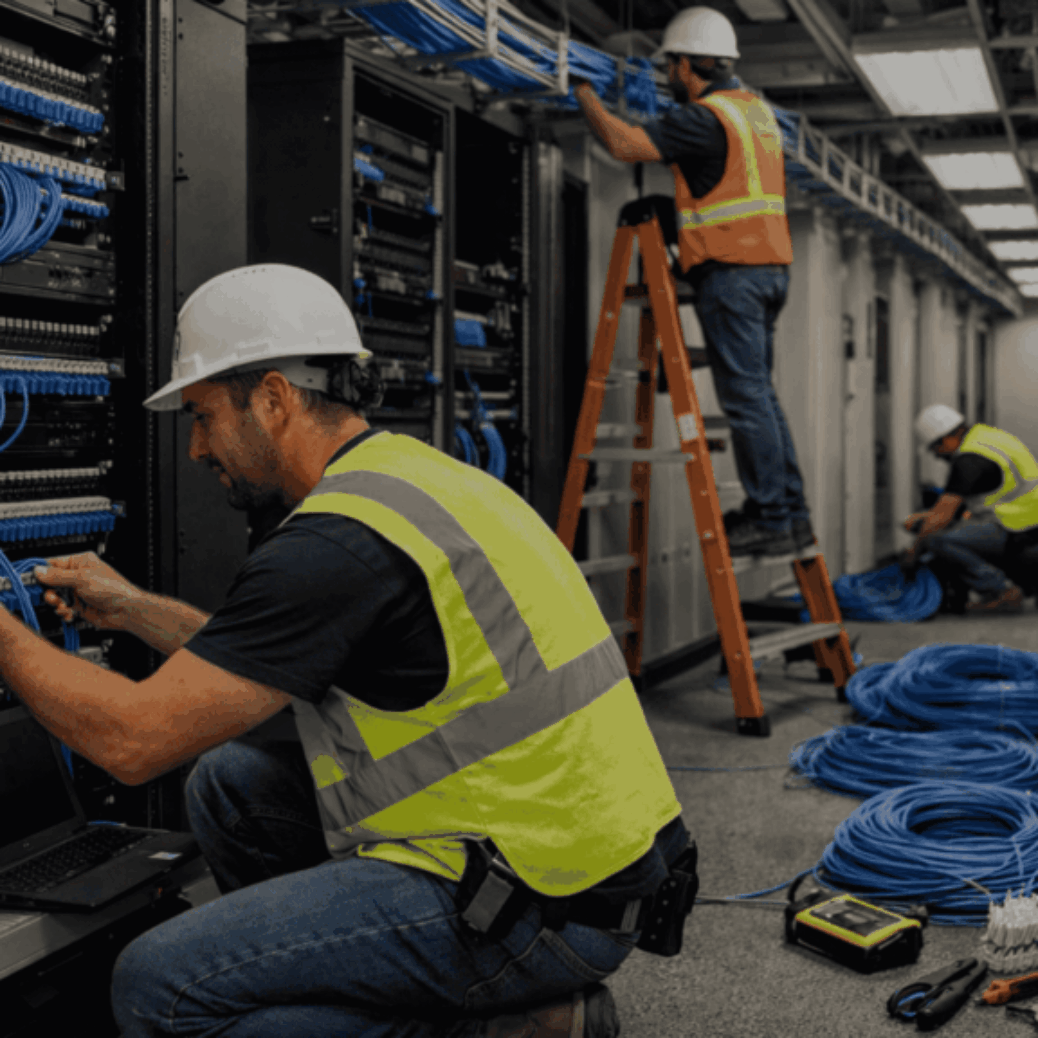
Professional Ethernet cable wiring installation services plan installations during off-hours to minimize downtime.
Scalability and Business Growth
As businesses grow, data cabling requirements increase. High-density office networks must be designed to scale without disrupting operations or requiring costly rework.
Aesthetic and Cable Management Concerns
Exposed cables reduce workplace professionalism and create safety risks. High-density offices require structured cable management to maintain a clean, organized appearance.
Heat Dissipation and Cable Longevity
Hundreds of active devices generate heat. Without proper airflow and cable management, heat affects cable performance and reduces lifespan.
Why Ethernet Cabling Is Critical for High-Density Offices?
High-density offices place continuous demand on network infrastructure. This makes Ethernet cable wiring installation services essential for handling performance, security, and scalability requirements.
Supports the Hybrid Workforce
Hybrid work environments require uninterrupted access to cloud platforms, collaboration tools, and VPNs. High-density offices often serve as hubs for both remote and onsite teams.
Enterprise Ethernet cabling supports:
- Secure VPN connectivity
- Latency-free video conferencing
- Real-time collaboration tools
Using structured cabling installation services prevents unstable connections, delays, and reduced employee efficiency.
Supports High Device Density Without Performance Loss
Each employee typically connects multiple devices. This load increases with access points, security systems, and IoT devices.
Poor cabling fails under high demand. Ethernet cable installation services distribute network load evenly, maintain stable speeds, and reduce packet loss. Proper bandwidth planning prevents congestion during peak hours.
Improves Office Network Optimization and Traffic Management
Enterprise cabling optimizes how data flows across the network, not just device connectivity.
A well-designed cabling system supports:
- Network segmentation
- Efficient traffic routing
- VLAN configurations
This level of office network optimization ensures critical applications receive priority during heavy usage.
Reduces Downtime and Simplifies Troubleshooting
Downtime in high-density offices impacts hundreds of users at once. Structured cabling reduces fault impact and simplifies resolution.
Key benefits include:
- Structured and labeled cabling layouts
- Separation of horizontal and backbone cabling
- Simplified fault identification and repairs
This enables IT teams to resolve issues quickly without disrupting daily operations.
Enhances Physical Network Security
While cybersecurity often gets the most attention, physical network security starts with cabling.
Ethernet cable wiring installation services secure cable pathways, protect network closets, and support segmented designs that reduce unauthorized access risks.
Scales Easily With Business Growth
High-density offices constantly evolve. Teams expand, departments shift, and new technologies are introduced.
Scalable Ethernet cabling allows businesses to:
- Add new workstations
- Upgrade switches and access points
- Support higher future bandwidth requirements
Proper bandwidth planning eliminates costly rework as network demands increase.
Improves Long-Term Cost Efficiency and ROI
Although Ethernet cabling requires an upfront investment, it reduces long-term costs. Businesses experience fewer failures, lower maintenance expenses, longer cable lifespan, and reduced upgrade costs.
Professional Ethernet cable installation services deliver measurable ROI by minimizing downtime and maximizing productivity.
Prepares Offices for Future Technologies
Enterprise cabling creates a foundation for future technologies, including:
- Increased cloud adoption
- Advanced collaboration platforms
- Smart office systems and IoT
- Higher-speed network standards
This foundation supports future office network optimization without disruptive infrastructure changes.
Best Practices for Ethernet Cable Wiring Installation Services in High-Density Offices
Ethernet cabling is essential in high-density office environments, but correct implementation matters. Following proven best practices ensures long-term performance, scalability, and reliability.
Plan Before Ethernet Cable Installation
Many offices begin Ethernet cable installation without proper planning. This often leads to inefficiencies, rework, and performance issues. Planning ensures the network meets current and future demands.
Key planning considerations include:
- Number of devices requiring connectivity
- Scalability for future expansion
- Types of cables required
- Workstation layout and floor design
Planning should also include cabling routes and placement of access points, switches, and patch panels to support long-term office network optimization.
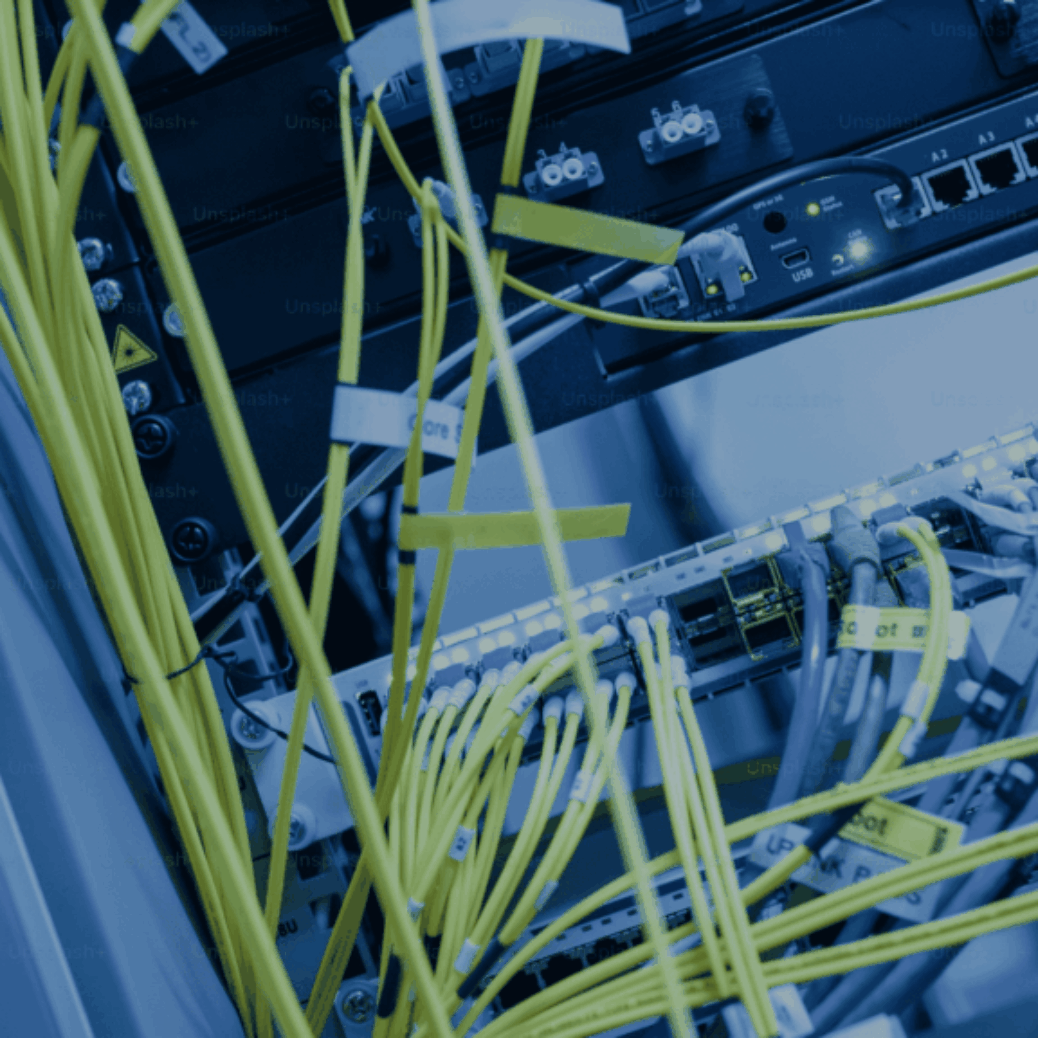
Choosing the Right Cable Types (Cat6, Cat6A, and Fiber)
Network performance depends heavily on cable selection.
- Cat6 vs Cat6A for offices: Cat6A supports higher bandwidth and reduced crosstalk, making it suitable for high-density offices.
- Fiber optic cables: Ideal for long cable runs and environments with high data demands.
- Shielded vs unshielded cables: Shielded cables reduce interference in electrically noisy environments.
Selecting the correct cable type ensures stable performance and supports effective bandwidth planning.
Implement Structured Cabling Systems
Structured cabling organizes cables into standardized subsystems, making management and troubleshooting easier.
Benefits of structured cabling include:
- Easier addition or relocation of devices without disruption
- Improved office aesthetics through organized cabling
- Simplified cable tracing and maintenance
Using structured cabling installation services improves scalability and long-term network stability.
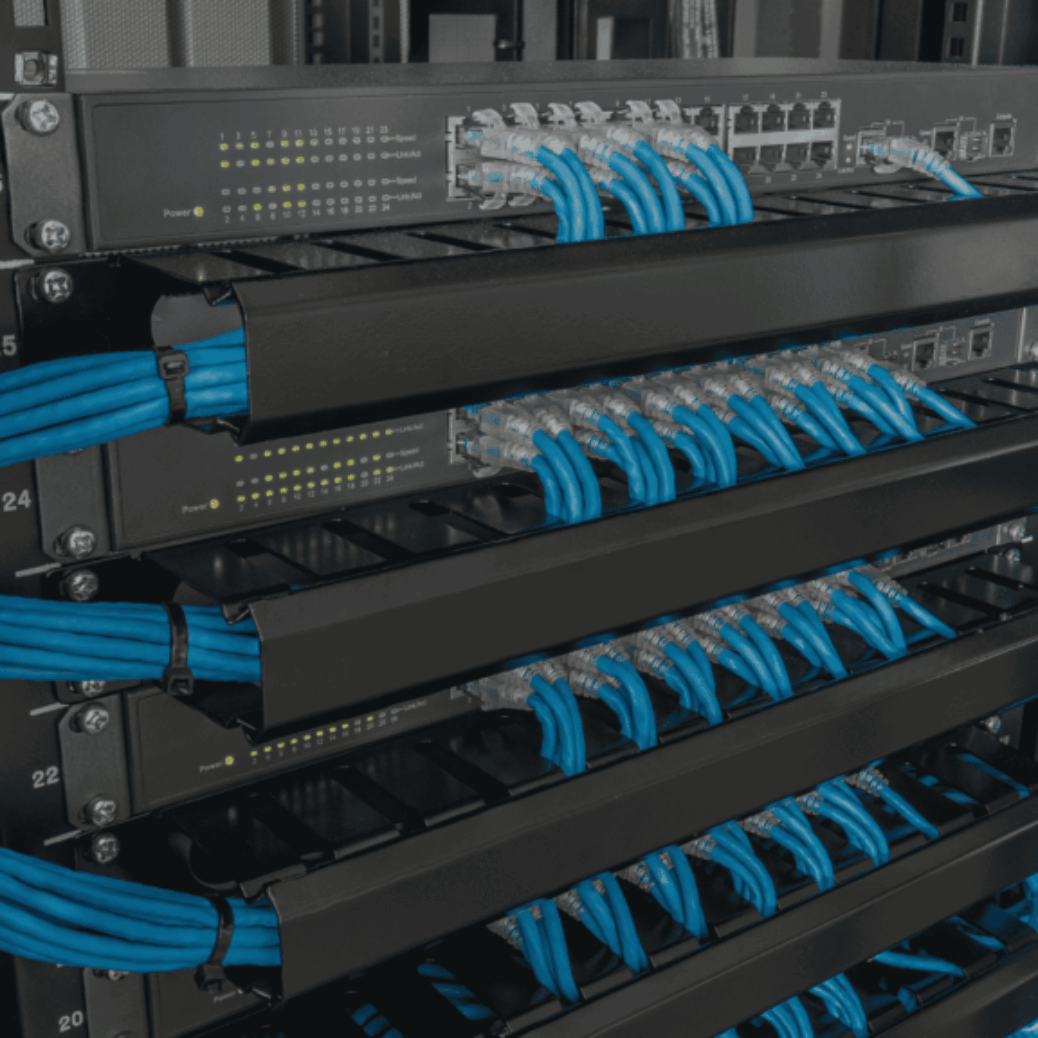
Apply Proper Cable Management Techniques
Cable management is as important as cable installation. Poor management leads to safety risks, airflow issues, and maintenance challenges.
Effective cable management includes:
- Cable trays and raceways
- Patch panels with clear labeling
- Velcro straps and cable ties
- Under-desk cable organizers
These practices keep high-density offices safe, organized, and professional.
Optimize Wireless and Wired Network Balance
While Ethernet cabling remains critical, combining it with wireless solutions reduces strain on the wired network.
Wireless optimization involves:
- Strategic access point placement
- Load balancing between wired and wireless users
- Supporting hybrid connectivity models
This approach improves overall office network optimization in hybrid environments.
Testing and Certification After Installation
Testing and certification ensure Ethernet cabling meets performance and compliance standards.
Professional Ethernet cable installation services use certification tools to verify:
- Signal integrity
- Bandwidth performance for hybrid workforce demands
- Compliance with industry standards
Testing confirms that the network performs as designed before full deployment.
Maintain Documentation and As-Built Records
Accurate documentation simplifies future upgrades and troubleshooting.
Documentation should include:
- Cable types and lengths
- Connection points
- Patch panel configurations
- Network diagrams and floor plans
Maintaining as-built records improves network management efficiency over time.
How to Choose the Right Ethernet Cable Installation Partner?
Selecting the right installation partner is a critical business decision. Experience, expertise, and reliability directly impact network performance.
Experience With Large and High-Density Office Floors
Not all providers have experience with large office floors. Ethernet cable installation in high-density environments requires deep technical knowledge and planning expertise.
Request case studies or references demonstrating experience with enterprise-scale projects.
Certifications and Industry Compliance Knowledge
Always choose certified technicians with proven compliance knowledge. Certified professionals understand industry standards, safety requirements, and best practices.
Ask providers to share certifications and confirm familiarity with compliance regulations relevant to your industry.
Evaluate Market Reputation and Client Feedback
Market reputation reflects service quality. Online reviews, testimonials, and client references provide insight into a provider’s reliability.
Speaking with past clients helps validate performance and professionalism.
Understand Pricing Without Compromising Quality
Pricing matters, but it should not be the sole decision factor. Low-cost providers often compromise on materials, planning, or expertise.
Request transparent pricing and compare scope, not just cost. Quality installation reduces long-term expenses and downtime.
Why Ethernet Cable Installation Services Are Essential for High-Density Offices?
Ethernet cable installation services are not optional for high-density office environments. Proper installation ensures consistent performance, scalability, and business continuity.
Professional installation supports:
- Reliable connectivity for high device counts
- Reduced downtime and faster troubleshooting
- Secure physical network infrastructure
- Long-term cost efficiency
Skipping professional installation leads to performance issues, security risks, and higher operational costs.
Frequently Asked Questions
What Are the Best Cable Management Practices?
Best practices include:
- Using cable trays and raceways
- Clear labeling and documentation
- Adhering to bend radius and support standards
These practices improve safety, airflow, and maintenance efficiency.
What Common Pitfalls Should Businesses Avoid?
Businesses should avoid:
- Ignoring future expansion needs
- Exceeding Ethernet distance limitations
- Improper grounding and shielding
Avoiding these pitfalls prevents performance degradation.
How Can Businesses Hire a Trusted Ethernet Installer?
Key factors include:
- Years of experience and proven track record
- Relevant certifications and technical expertise
- Documented installation practices
Choosing the right partner ensures long-term network reliability.
Is Ethernet Cable Installation Cost-Effective?
Ethernet installation requires an upfront investment, but it delivers strong returns over time. Reduced downtime, fewer failures, and lower maintenance costs improve ROI.
Final Takeaway
High-density office environments demand robust, scalable, and professionally installed network infrastructure. Ethernet cable installation services provide the foundation for performance, security, and future growth.
By following best practices, selecting experienced partners, and investing in structured cabling, enterprises ensure long-term office network optimization and uninterrupted operations.

CORPORATE OFFICE
1509 W Hebron Parkway
Suite Number 150
Carrollton, TX 75010