
How Ethernet Signal Voltage Levels Impact Structured Cabling Performance?

In today’s tech-driven business environment, structured cabling installation acts as the foundation for reliable connectivity. Business owners often focus on cable categories, bandwidth, and speed to ensure smooth data transmission. But one factor that is often overlooked is the Ethernet signal voltage level. It plays a direct role in how efficiently a network communicates, how far data can travel, and how consistently devices stay connected.
When voltage dips or fluctuates, the entire structured cabling performance is affected. This may lead to slow speeds, packet loss, PoE instability, and inconsistent data flow. From network speed optimization to a full office network upgrade, understanding Ethernet voltage levels is essential for building a fast, secure, resilient, and future-ready network.
This blog explores Ethernet signal voltage levels, the role of Ethernet cable installation services, how voltage impacts structured cabling performance, and what businesses should consider for long-term reliability.
What Are Ethernet Signal Voltage Levels?
Ethernet signal voltage levels depend on the type of signaling used. Data signals generally operate at low, alternating voltage and rely on precise voltage steps to transfer information. These voltage levels influence how fast data travels, the quality of transmission, and how well the signal withstands outside interference.
Strong and stable voltage levels are essential for consistent network speed optimization. They support secure and reliable communication and play a major role in maintaining structured cabling performance across business networks.
Role of Ethernet Cable Installation Services
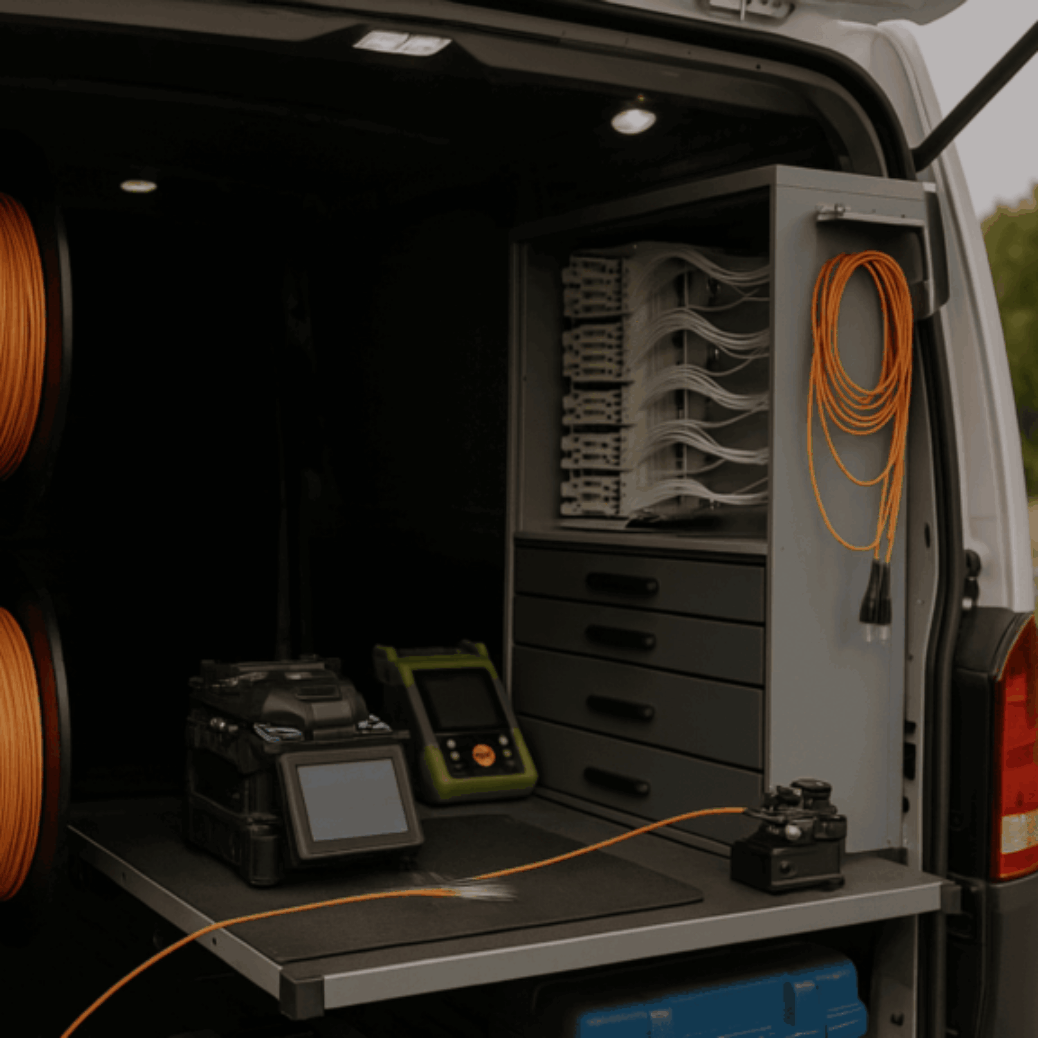
Ethernet cable installation services have a significant impact on structured cabling performance. Here are the key roles they play:
Enhance Network Performance
Professional Ethernet installers ensure proper signal quality. This supports fast data transmission and smooth network operations—crucial for businesses that depend on high data usage and performance-sensitive applications.
Improve Security
Properly installed Ethernet cables reduce security risks. However, poor installation or weak infrastructure increases the chances of unauthorized access, data breaches, and network vulnerabilities.
Minimize Downtime
Reliable Ethernet cable installation services help prevent issues such as signal disruption, packet drops, or unstable connections. Lower downtime improves operational efficiency and reduces unexpected outages.
Streamline Troubleshooting
Certified cable installers can identify and resolve issues quickly. This reduces maintenance time, lowers troubleshooting costs, and speeds up the installation process.
Enable Scalability and Future-Proofing
A well-structured cabling system supports network expansion and upgrades. With proper planning and maintenance, businesses can avoid frequent rewiring and ensure long-term performance.
How Ethernet Signal Voltage Impacts Structured Cabling
Here are the key ways Ethernet signal voltage levels influence structured cabling performance:
The Shout vs. Whisper Effect
-
Old speeds (10 Mbps) use ±2.5 volts—similar to “shouting” down the wire. These strong and loud signals tolerate interference better, allowing cheaper cabling.
-
Modern speeds (10 Gbps) use advanced encoding (PAM-16) with small voltage differences—similar to “fast whispering.” Because the gap between “0” and “1” is small, the cable must protect these fragile signals from noise.
The Friction Factor
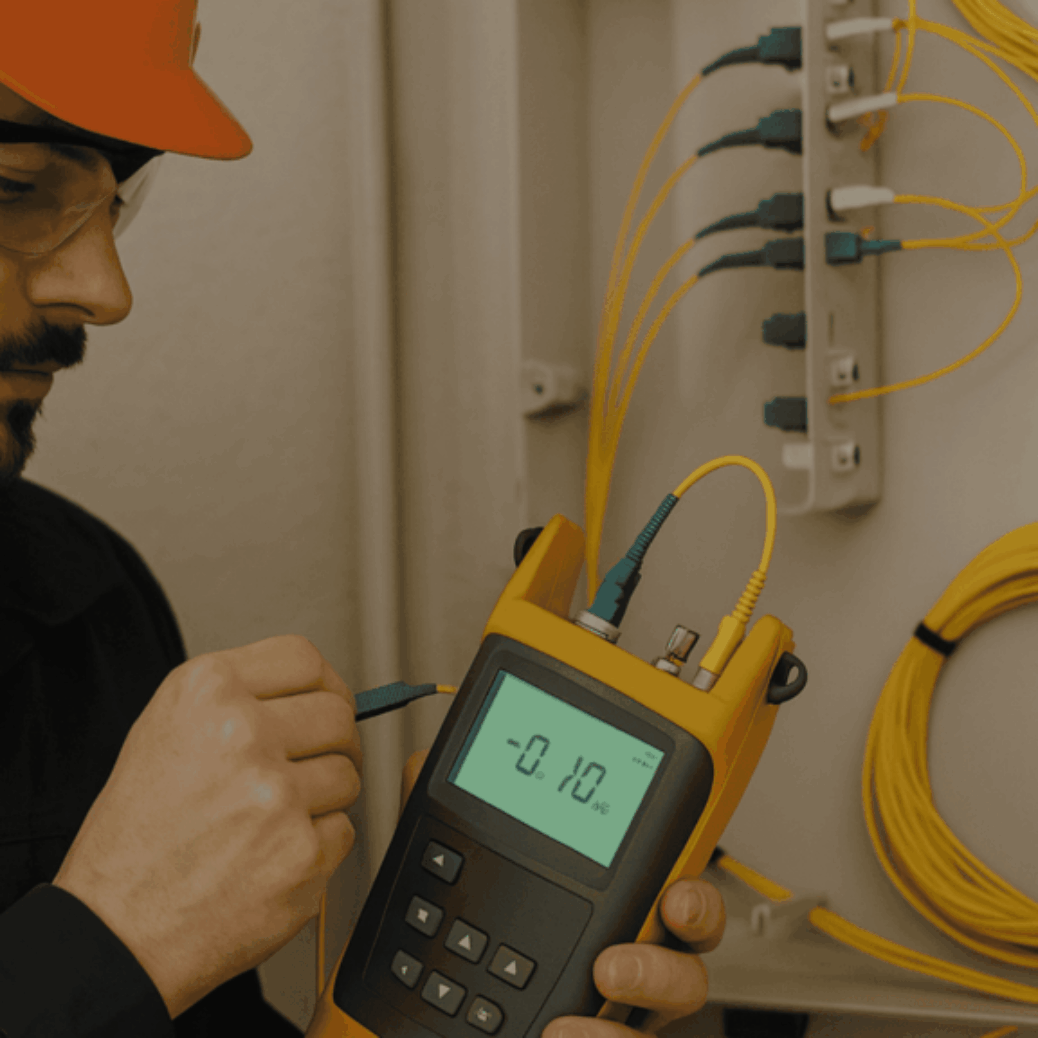
Just like water pressure drops in a long hose, voltage drops along extended cable runs due to electrical resistance. If voltage becomes too weak at the receiving end, the device cannot read the data. This is why Ethernet standards maintain a strict 100-meter limit.
The Crowded Room Problem
Changing voltage creates magnetic fields. At high speeds such as 10 Gbps, rapid voltage switching can leak into neighboring wires and cause crosstalk. Proper shielding, twisting, and cable quality are crucial to prevent disruptions.
The Heat Wave Effect (PoE)
Power over Ethernet delivers higher voltage to power devices like cameras and phones. This generates heat inside the cable bundle:
-
High heat increases copper resistance
-
Higher resistance weakens the signal
-
Voltage stability drops
-
Cable runs may need to be shortened
Thermal management becomes important for PoE and PoE++ deployments.
The Complex Code
Gigabit Ethernet (1000BASE-T) uses five different voltage levels. If the cable is low-quality, distorted voltage levels may cause misreads, network errors, and retransmissions. High-quality conductors help maintain clean voltage patterns.
How Voltage Drop Affects Structured Cabling Installation
Voltage drop is one of the most common reasons behind inconsistent and degraded network performance. Here’s how it impacts structured cabling installation:
Longer Cable Runs Increase Resistance
When Ethernet cables exceed the 100-meter design limit, electrical resistance increases. This lowers the voltage at the receiving end, slows data speeds, and raises the chance of packet loss and unstable connectivity.
Improper Termination Creates High-Resistance Points
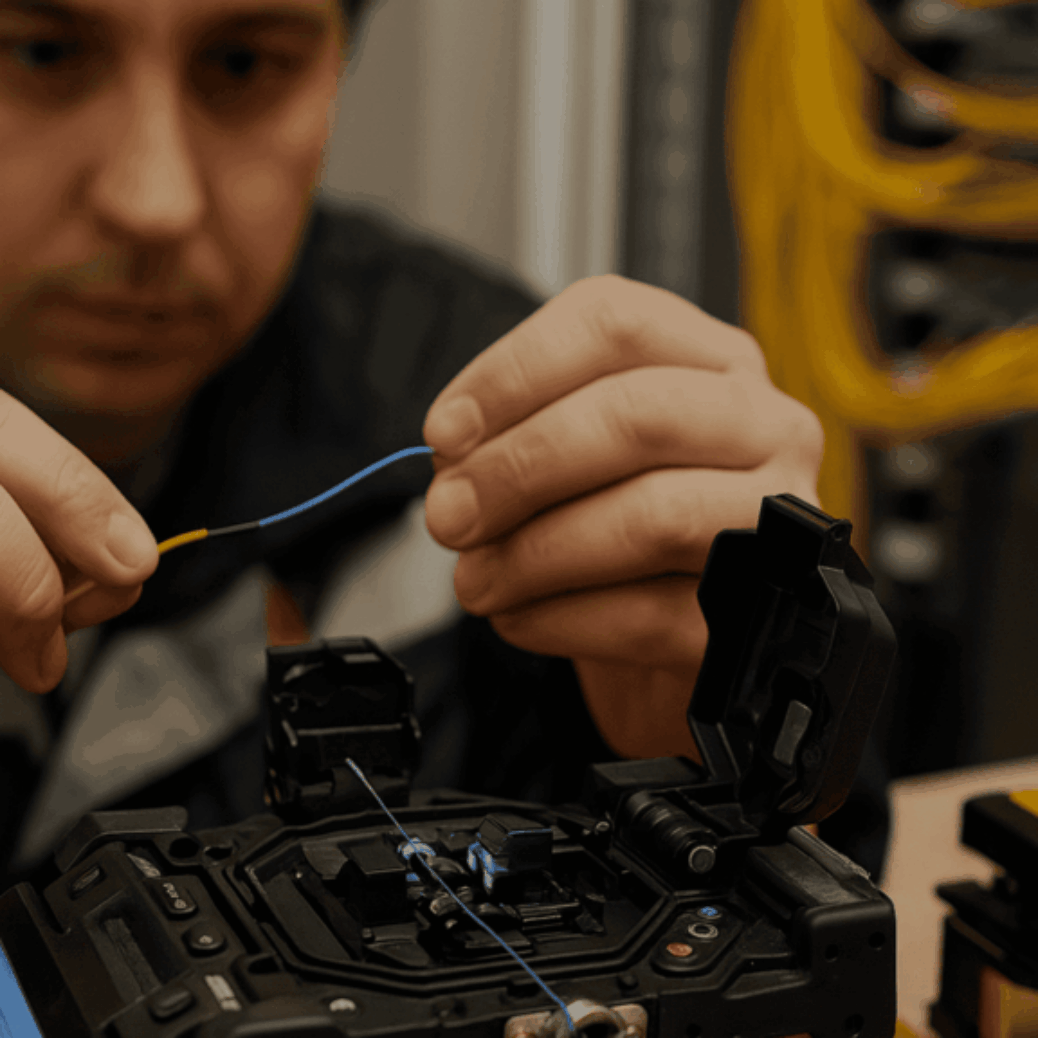
Loose or poorly punched-down terminations create micro-resistance areas. These weak points restrict voltage flow, cause intermittent connections, and lead to long-term performance degradation.
Poor-Quality Cables Reduce Voltage Stability
Low-grade copper-clad aluminum (CCA) or uncertified cables have higher resistance, making voltage drops more likely. High-quality copper conductors help maintain consistent voltage and reliable performance.
Excessive Heat Accelerates Voltage Loss
High temperatures increase conductor resistance, contributing to voltage drop:
-
Server rooms
-
Warehouses
-
Outdoor runs
These environments require careful planning to maintain reliability.
Electromagnetic Interference (EMI) Weakens Voltage Consistency
EMI from power lines, HVAC systems, machinery, or industrial equipment disrupts voltage stability. This interference weakens signal strength and increases retransmissions, resulting in performance delays.
How Installers and Businesses Ensure Proper Voltage Levels
To maintain stable Ethernet signal voltage levels, installers and businesses follow several important practices:
Use the Right Cable Category
Choosing high-quality Cat6 or Cat6A cables ensures low resistance, better voltage retention, and support for higher bandwidth. This reduces attenuation and improves long-term network performance.
Keep Cable Runs Within the 100-Meter Limit
Shorter cable runs help preserve stronger voltage levels. Exceeding the recommended distance increases resistance and weakens signal strength. Proper route planning supports optimal performance.
Maintain Proper Termination with Certified Tools
Clean, secure terminations ensure smooth voltage flow through copper pairs. Poor terminations introduce resistance that slows speeds and causes intermittent failures.
Avoid Mixing Cable Types
Mixing cable categories (Cat5e, Cat6, Cat6A) leads to inconsistent resistance and unpredictable performance. A consistent cable standard ensures uniform voltage flow across the network.
Use High-Quality Patch Cords and Connectors
Even high-quality cables underperform when paired with low-quality connectors. Certified connectors reduce interference and maintain strong voltage integrity.
Best Practices for Business Planning: New Structured Cabling Installation
Here are the essential best practices businesses should follow when planning a new structured cabling installation.
Plan for Tomorrow, Not Just Today
Installers must think beyond current devices and design cabling that supports future bandwidth, PoE demands, and technology upgrades. With smart planning from experienced network installation services, businesses can reduce future upgrade costs and maintain long-term reliability.
Choose the Right Cable Category from the Start
Whether selecting Cat6 or Cat6A, it’s important to choose a cable category that can handle high-speed demands without creating bottlenecks. Starting with the right cable helps reduce early replacements and ensures strong network performance.
Use High-Quality Cables and Components
Structured cabling installation must include high-quality cables, connectors, patch panels, and components. Reliable cabling reduces signal loss, enhances longevity, and supports future network expansion. Using certified materials ensures the installation meets performance standards for many years.
Avoid Mixing Cable Types
For low-latency networking, it’s crucial to keep the same cable category across the entire infrastructure. Mixing Cat5e, Cat6, and Cat6A can lead to unpredictable signal behavior and reduced performance.
Invest in High-Quality Connectors and Patch Panels
Even high-end cables can fail when paired with low-quality connectors or patch panels. Durable, certified components help ensure stable connections, reduce interference, and enhance long-term network stability.
Consider Environmental Conditions and Interference
Areas with high electromagnetic interference—such as server rooms, manufacturing floors, or industrial areas—may require shielded cables. Installers must consider environmental conditions to protect the network from noise, heat, and other external factors.
Future Trends: How Ethernet Standards Influence Structured Cabling Performance
Here are the most important future trends shaping how Ethernet impacts structured cabling performance.
Higher Ethernet Speeds Demand Advanced Cabling
As network speeds advance from 10G to 25G, 40G, and even 100G Ethernet, the demand for high-performance cabling continues to rise. Businesses increasingly prefer Cat6A, Cat7, or fiber optic solutions to support higher frequencies, reduce attenuation, and ensure long-term scalability.
Growing PoE Power Levels Influence Cable Selection
PoE and PoE++ devices require stable and strong voltage delivery. As more devices—such as access points, cameras, and smart building technology—rely on PoE, businesses must select better thermal-rated cables designed to handle higher wattage safely.
Single Pair Ethernet (SPE) Revolutionizing Smart Buildings
Single Pair Ethernet supports long-distance, low-power connectivity through a single twisted pair. SPE reduces cabling costs and enables large-scale smart automation. It is expected to become a major standard for lighting, sensors, and building control systems.
AI-Based Monitoring for Voltage and Cabling Optimization
AI-driven monitoring tools now analyze voltage levels, signal quality, and cable health in real time. These systems predict cable failures before they happen, optimize performance automatically, and reduce network disruptions. This trend is becoming essential for modern, high-performing networks.
Sustainability and Eco-Friendly Cabling
Sustainability is becoming a major consideration for office network upgrades. Businesses prefer recyclable materials, eco-friendly insulation, and energy-efficient designs. Green cabling reduces energy waste and contributes to environmentally responsible infrastructure planning.
Frequently Asked Questions (FAQs)
Que 1) How does the Ethernet signal voltage level affect structured cabling installation?
Ans:
Ethernet signal voltage levels influence how data travels through the cable. If voltage drops, it may cause packet loss, slower speeds, and unstable connections. Structured cabling installation ensures proper voltage levels to maintain strong, consistent performance across the network.
Que 2) Why is proper voltage important during Ethernet cable installation services?
Ans:
During Ethernet cable installation services, installers ensure cables, terminations, and connectors maintain stable voltage. Proper voltage prevents interference, reduces attenuation, and improves overall signal quality, resulting in better low-latency networking.
Que 3) How do poor connectors or terminations impact structured cabling performance?
Ans:
Poor-quality connectors or improper terminations add resistance and create voltage instability. This can disrupt the network, reduce bandwidth, and increase latency. Professional installers focus on ensuring termination quality to avoid these issues.
Que 4) What role do voltage levels play in building a low-latency network?
Ans:
Stable Ethernet voltage allows data packets to move smoothly without interruption. This reduces jitter, minimizes delays, and supports low-latency networking—ideal for VoIP, cloud applications, video conferencing, and real-time communication systems.
Conclusion
Ethernet signal voltage levels play a crucial role in shaping structured cabling performance. When voltage remains strong and stable, the network operates smoothly, delivers faster speeds, and ensures reliable communication across the business. Even a small voltage drop can cause slowdowns, connection issues, and performance degradation.
Understanding voltage behavior, choosing high-quality cabling, and following best installation practices help businesses create a network that is secure, efficient, and ready for future growth.

CORPORATE OFFICE
1509 W Hebron Parkway
Suite Number 150
Carrollton, TX 75010