How MPO/APC to LC/UPC Cassettes Work in Modern Fiber Installations?

The commercial market is rapidly expanding and increasingly dependent on high-speed fiber optics cabling installation as companies compete to support cloud applications, hybrid teams, automation, and mission-critical data transfer. Traditional patching and cabling technologies can no longer keep up with today’s heavier bandwidth demands. When businesses continue using outdated systems, they risk slow performance, signal loss, and costly downtime.
MPO/APC to LC/UPC cassettes have emerged as essential components in this environment. They operate as compact but powerful backbone elements supporting the growing need for 10G, 40G, and 100G fiber systems across various commercial spaces. These cassettes ensure cleaner distribution, faster deployment, and scalable performance—qualities modern office networks and data centers rely on to remain competitive.
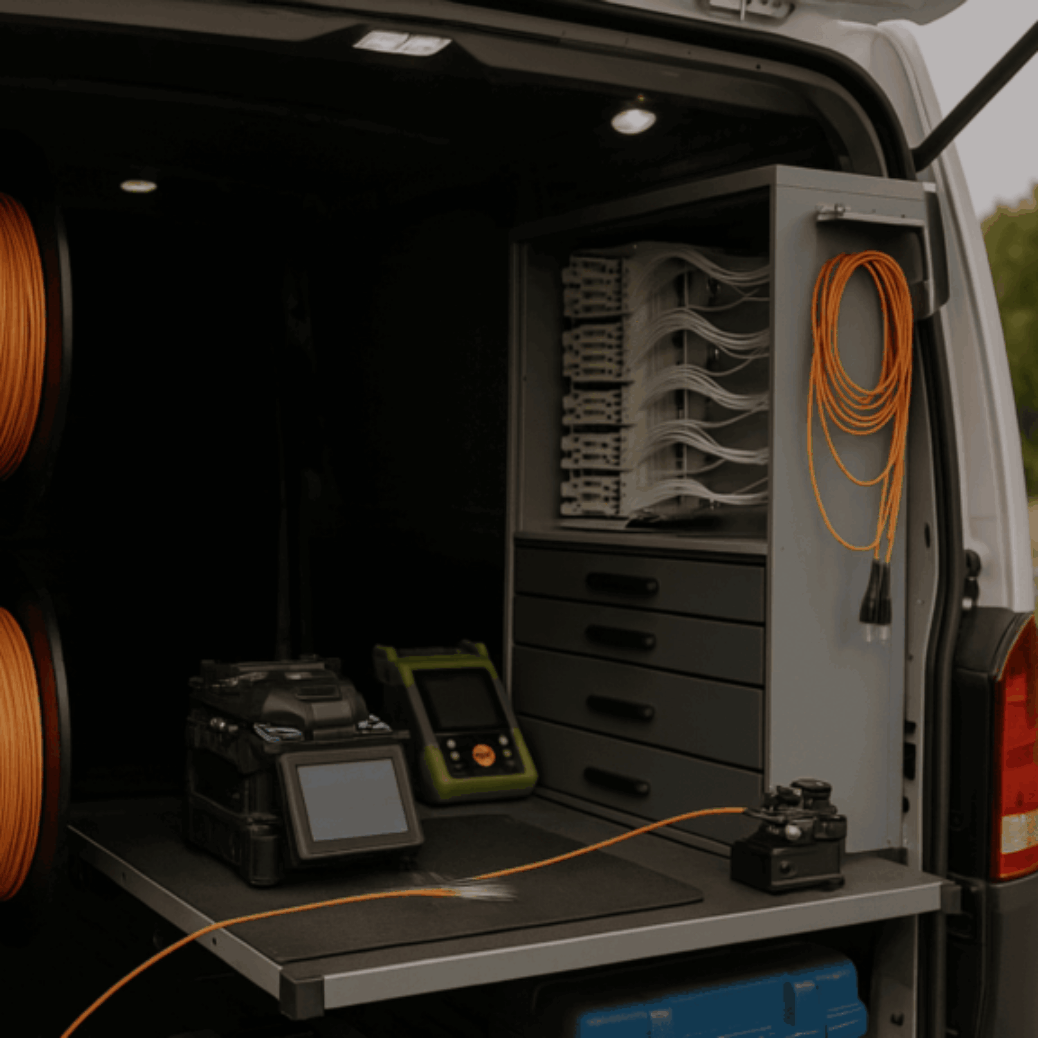
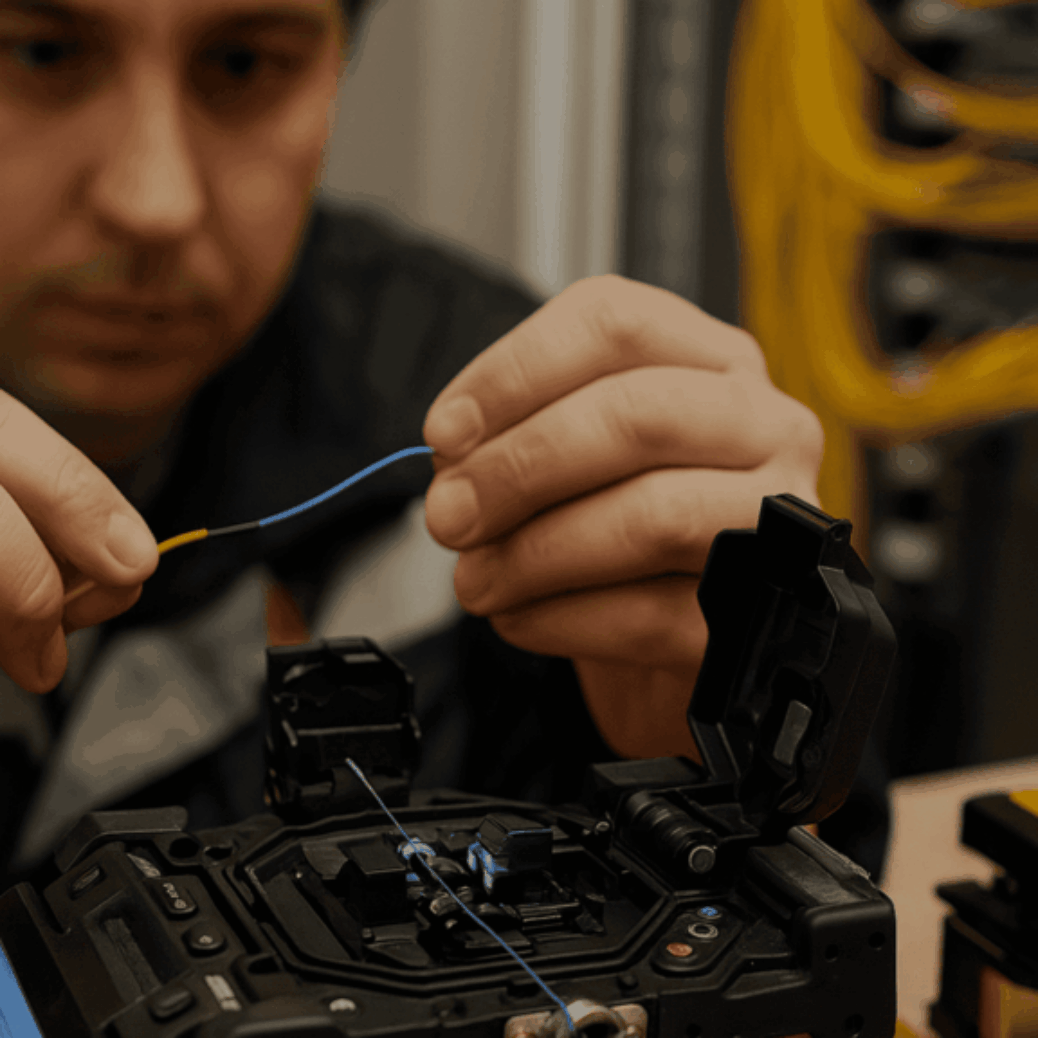
Small in size but significant in impact, MPO/APC to LC/UPC cassettes make fiber distribution cleaner and more manageable. They deliver the plug-and-play convenience businesses need to keep up with rapid digital transformation. Behind the smooth connectivity and high-volume data flow, skilled fiber optic cable installers and trained fiber optic installers in Dallas–Fort Worth ensure each cassette performs reliably within commercial structured cabling systems designed for long-term speed, precision, and scalability.
These experts play a crucial role in configuring structured cabling for data centers, enterprise campuses, and multi-floor office buildings. Proper installation enhances enterprise connectivity, supports quick expansions, and maintains compliance with structured cabling standards across the Dallas area.
This guide offers a clear, approachable explanation of how MPO/APC to LC/UPC cassettes work without requiring deep engineering knowledge. It also covers how they integrate into fiber backbone design, the reasons businesses rely on them, and how they empower the high-performance networks required by today’s operations, including the fiber backbone infrastructure that supports cloud-driven workloads.
Why Modern Businesses Depend on High-Performance Fiber Optics Cabling Installation?
The need for high-performance fiber optics cabling installation continues to rise as companies operate in more bandwidth-intensive and latency-sensitive environments than ever before. Cloud platforms, AI-powered applications, real-time analytics dashboards, VoIP communication, 4K/8K security cameras, and automated building systems all place substantial demands on enterprise networks.
As businesses adopt smarter workflows and distributed teams, slow or inconsistent network performance becomes more than an inconvenience. It directly affects revenue, productivity, customer experience, and overall security. For this reason, companies across industries are upgrading their fiber backbone design to support faster, more scalable connectivity.
Traditional copper cabling cannot deliver the required bandwidth or reliability. Fiber cabling supports predictable throughput for 10G, 40G, and 100G networks, ensuring that all cloud uploads, AI queries, video streams, and security data transfer smoothly and consistently.
In this push for more powerful commercial networks, the MPO-to-LC connectivity model plays a critical role. MPO connectors enable the high-density, multi-fiber connections ideal for data centers and network closets. LC connectors provide precise, low-loss terminations at switches, servers, panels, and devices. Used together, they create the backbone of commercial structured cabling systems.
These solutions are deployed with high precision by professional fiber optic cable installers to build future-ready networks that can support business growth. For organizations where downtime or slow performance is unacceptable, strategic fiber optics cabling installation is not optional—it is essential.
Understanding Connectors in Modern Fiber Optics Cabling Installation
When companies upgrade or replace their network infrastructure, much of the discussion revolves around connectors. Even the highest-quality fiber cables cannot deliver enterprise-grade performance without proper termination. Two connector types dominate the commercial market for 10G, 40G, and 100G fiber systems: MPO/APC and LC/UPC.
Businesses engaged in fiber optics cabling installation or working with professional fiber optic cable installers benefit from understanding these connectors. This knowledge helps decision-makers evaluate solutions for commercial structured cabling, fiber backbone design, and enterprise connectivity.
Below is a clear, business-focused breakdown of their purpose, performance, and role in modern commercial networks.
MPO Connectors (Multi-Fiber Push-On): High-Density Performance
For high-bandwidth environments, MPO connectors are essential. An MPO connector combines multiple fibers—commonly 8, 12, or 24 strands—into a single rectangular push-on interface. This compact design enables the transmission of massive data volumes using minimal physical space, which is why MPO cables have become standard in dense data systems.
In performance-driven commercial networks, MPO/APC connectors offer even greater benefits. APC stands for Angled Physical Contact, where the ferrule face is polished at an 8-degree angle. This reduces back reflection and achieves cleaner, low-loss transmission, which is vital for long-distance or high-speed 10G/40G/100G systems.
Why MPO/APC Matters for Business Networks?
Businesses choose MPO/APC connectors because they:
- Offer higher reliability in latency-sensitive environments
- Support dense fiber backbone designs without compromising performance
- Simplify upgrades and migrations in modular data center environments
Organizations with large switching fabrics, virtualization workloads, or cloud-intensive operations rely on MPO/APC connectors for scalable, low-loss connectivity across enterprise cores and data center environments.
LC/UPC Connectors: Precision and Enterprise-Ready Performance
LC connectors are the workhorses of enterprise fiber networks. They are widely used in offices, campuses, branch sites, and server rooms due to their compact form factor and high-density compatibility. LC connectors allow cleaner patching with minimal clutter, making them suitable for structured commercial installations.
UPC stands for Ultra-Physical Contact, referring to a polished ferrule with a flat, ultra-smooth surface. This finish provides very low insertion loss and improved return loss. In practical terms, LC/UPC connectors deliver stronger signal quality, better uptime, and reduced light-level issues.
Businesses Prefer LC/UPC Connectors Because They:
- Fit seamlessly into high-density racks
- Offer stable, low-loss performance for critical applications
- Pair well with switches, transceivers, and patch panels
Most professional fiber optic cable installers use LC/UPC connectors in commercial structured cabling because they are reliable, easy to handle, and fully compatible with modern enterprise hardware.
If MPO/APC connectors are the powerhouse of high-bandwidth environments, LC/UPC connectors serve as the precision interface ensuring smooth everyday connectivity—from edge devices to core networking equipment.
How Fiber Optics Cabling Installation Uses MPO/APC to LC/UPC Cassettes in Modern Commercial Networks?
MPO/APC to LC/UPC cassettes play a central role in fiber optics cabling installation across commercial environments. They act as plug-and-play transition modules that keep high-density networks clean, organized, and scalable. In business settings where speed, uptime, and reliability directly influence productivity, these cassettes help fiber optic cable installers deploy complex connections without unnecessary delays, errors, or downtime.
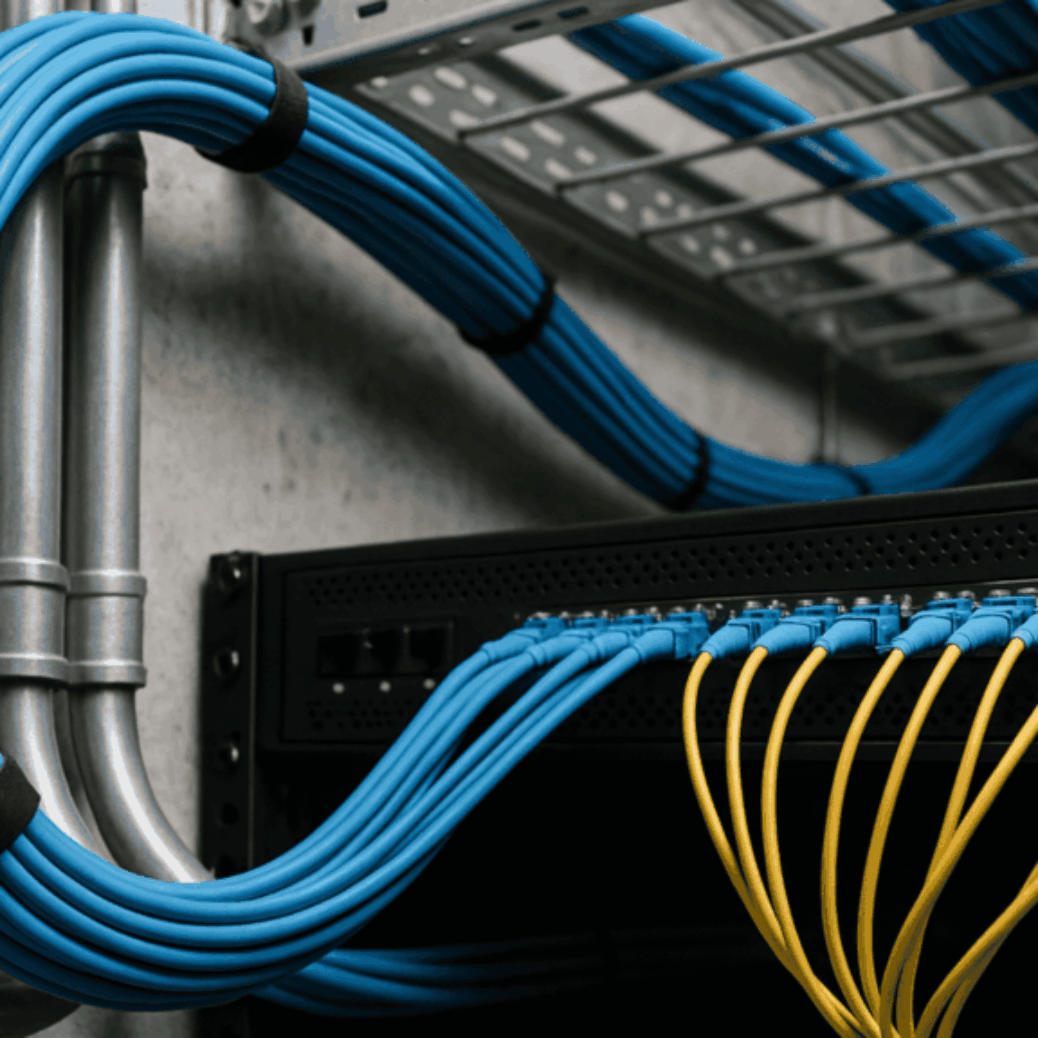
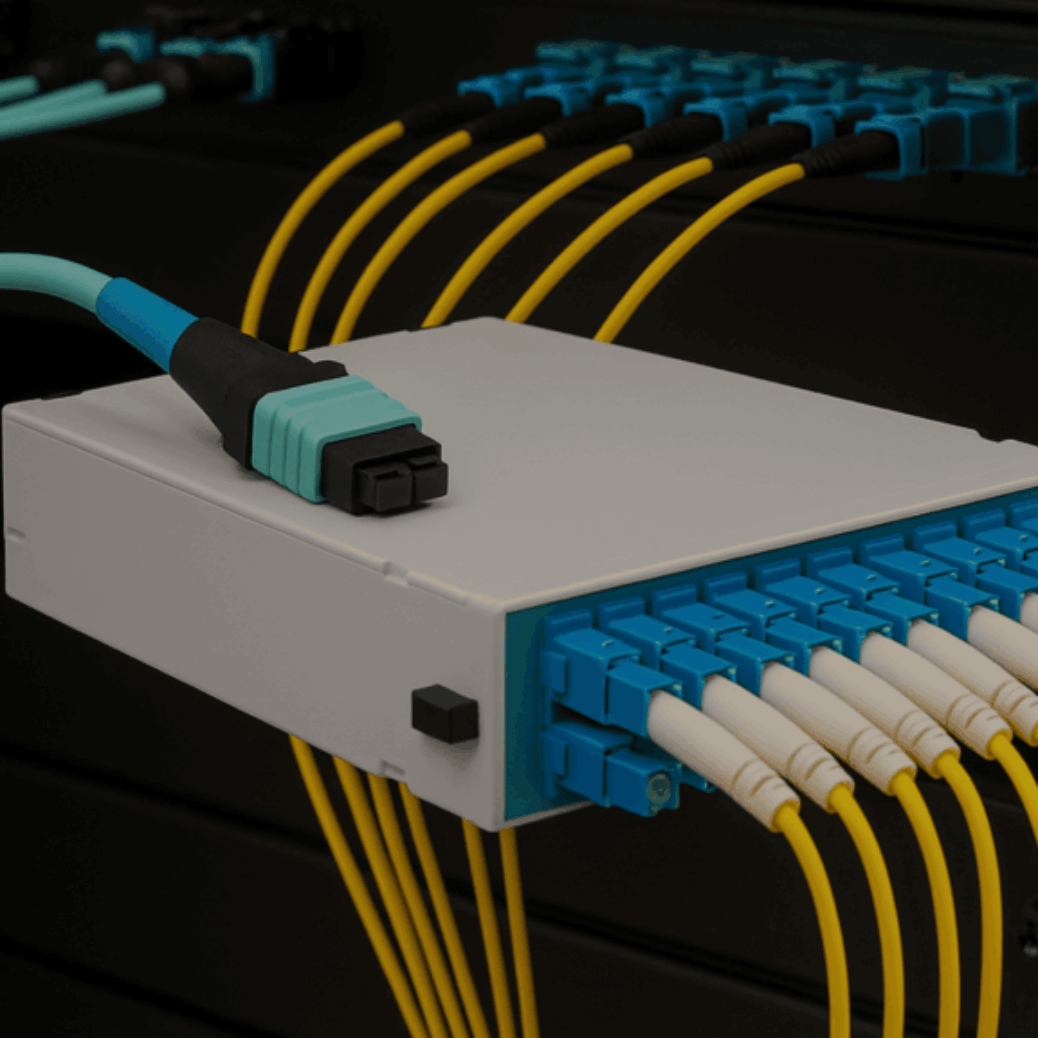
At the core, an MPO/APC to LC/UPC cassette breaks out a high-fiber-count MPO trunk cable into multiple LC duplex ports. This breakout design is essential for commercial structured cabling because it supports quick expansions, easy reconfiguration, and seamless migration between 10G, 40G, and 100G fiber systems. Instead of manually splicing fibers or managing large bundles of patch cords, IT teams can plug in a cassette and instantly gain LC ports for switches, distribution frames, and patch panels.
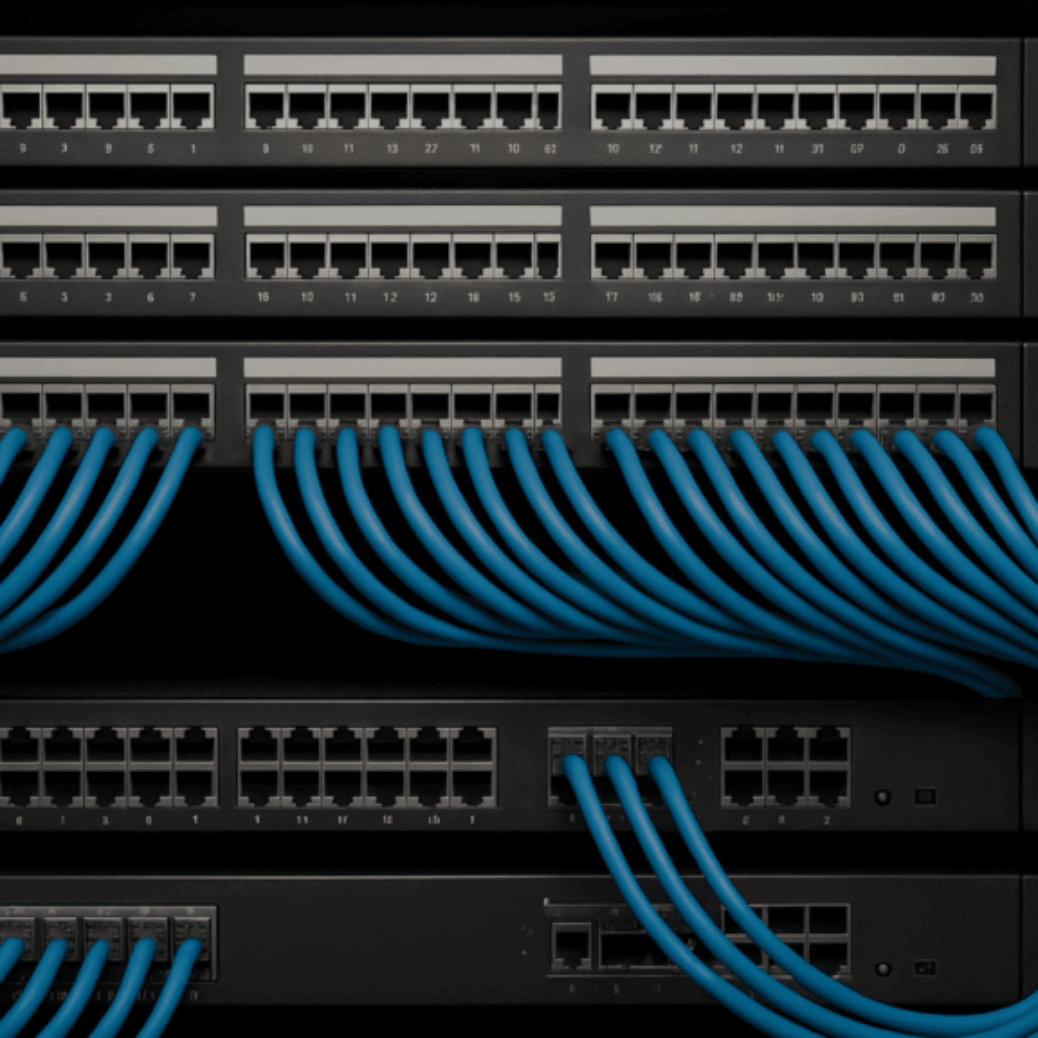
Within modern racks, these cassettes act as the nerve center of a fiber backbone design. They improve cable management, help maintain optical performance, and reduce signal loss—an important factor for organizations transmitting high volumes of data between floors, departments, or remote buildings. Their modular enclosure also adds reliability by protecting internal fiber routes and supporting long-term network stability.
Whether a business is upgrading a campus network, expanding a data center, or preparing an office for future growth, MPO/APC to LC/UPC cassettes provide the structure, speed, and flexibility needed to build a high-performance fiber backbone.
How MPO/APC to LC/UPC Cassettes Work in Modern Fiber Optics Cabling Installation?
In today’s competitive environment, IT departments depend on structured cabling solutions that support speed, density, and clean signal delivery. MPO/APC to LC/UPC cassettes are among the most important components driving this shift. Although small in size, each cassette is engineered with precision to simplify the deployment of 10G, 40G, and 100G fiber systems. They streamline cross-connections in data centers, server rooms, and MDF/IDF closets, while helping organizations scale efficiently and maintain low-loss performance across their fiber backbone design.
Below is a clear explanation of how these cassettes operate.
-
MPO Trunk Cable Connects to the Back of the Cassette
A high-density MPO trunk cable plugs into the rear MPO/APC port of the cassette. In commercial environments, this trunk is typically routed along vertical and horizontal pathways that connect multiple floors, buildings, or data center rows. Professional fiber optic cable installers use MPO trunks because they support fast installation and maintain consistent optical performance across commercial structured cabling systems.
The APC polish used on the MPO connector helps minimize return loss, which is critical for maintaining stable throughput at enterprise scale.
-
Internal Routing Splits Fibers to LC Connectors
Inside the cassette, the MPO/APC connection is separated into several LC/UPC connectors using precision-engineered fiber fan-outs. This internal routing is designed to minimize insertion loss and support long-distance, high-bandwidth connectivity.
The design follows an important principle:
- APC is ideal for the trunk side because it reduces back reflection.
- UPC is ideal for the device side because it delivers smooth, low-loss performance to switches, storage systems, firewalls, and other network devices.
This combination ensures both ends of the connection operate with maximum efficiency.
-
LC/UPC Ports Provide Reliable Connections to Equipment
The LC/UPC ports on the front of the cassette offer simple, dependable patching to switches, media converters, firewalls, storage appliances, and other network equipment. These ports allow quick cable changes, fast troubleshooting, and low signal disruption, which helps maintain mission-critical network uptime.
This simplicity is one of the main reasons businesses choose structured cabling over ad-hoc cabling. Clean LC breakout ports ensure predictable optical performance across the entire environment.
-
The System Scales Easily for 10G, 40G, and 100G Networks
MPO cassettes use a modular plug-and-play design that allows IT teams to increase network capacity without rewiring the backbone. Instead of dealing with manual fiber rerouting or messy patching, teams can upgrade the cassette configurations as bandwidth demands increase.
This makes commercial networks more dynamic, resilient, and future-ready—especially as businesses adopt heavier cloud workloads, virtualization, AI systems, and high-definition surveillance platforms.
FAQs
What is the purpose of an MPO/APC to LC/UPC cassette?
An MPO/APC to LC/UPC cassette acts as a breakout module that converts a multi-fiber MPO connection into multiple LC ports. It enables efficient fiber distribution in high-density environments such as data centers and enterprise networks.
How do these cassettes improve commercial structured cabling?
They reduce cable clutter, simplify connections, and support modular upgrades. This makes commercial structured cabling more efficient, reliable, and scalable.
What does an MPO-to-LC cassette do?
It converts one MPO trunk cable into multiple LC ports, enabling clean, high-density fiber breakout in commercial networks.
When should I choose a cassette instead of a direct MPO-LC harness?
A cassette is ideal when you need modularity, easier cable management, and room for future expansion. Harnesses are better for fixed point-to-point links where reconfiguration is not expected.
Do I need Tier 1 or Tier 2 testing?
Tier 1 testing verifies basic loss and continuity for certification. Tier 2 testing adds OTDR diagnostics for deeper troubleshooting, and it is recommended for data centers and high-performance backbone environments.
Conclusion
MPO/APC to LC/UPC cassettes streamline high-density fiber deployments by simplifying connections, reducing signal loss, and supporting scalable performance. They help organizations optimize speed, minimize downtime, and plan for smooth upgrades as they move between 10G, 40G, and 100G enterprise networks. These qualities make them essential for growing businesses that depend on reliable fiber infrastructure.
To maximize performance, professional fiber optic installers should design, install, and test the entire system. Proper setup ensures long-term reliability and consistent backbone efficiency.
Businesses looking to upgrade their facility with high-performance fiber optics cabling installation can rely on certified teams that design, install, and maintain enterprise-ready structured cabling systems across the Dallas–Fort Worth region. A professional consultation can help determine the ideal fiber backbone design for both current and future needs.

CORPORATE OFFICE
1509 W Hebron Parkway
Suite Number 150
Carrollton, TX 75010