
Do You Still Need Ethernet Cabling in Wi-Fi-Driven Offices?

Modern workplaces rely heavily on cloud applications, 24/7 video conferencing, IoT devices, and AI-driven tools. All of these systems demand stable, real-time data connectivity to function properly. As businesses grow and workflows become more digital, Ethernet cabling services continues to play a critical role in keeping office environments fast, secure, and dependable.
Wi-Fi may dominate conversations about modern offices, but many organizations still experience slow speeds, dropped connections, and performance limits they did not expect. This raises an important question: if Wi-Fi is everywhere, why do businesses still need Ethernet cabling?
The answer lies in the growing gap between convenience and performance. Wi-Fi offers flexibility and mobility, but it struggles with interference, congestion, and security risks, especially in data-intensive office environments. Ethernet, on the other hand, delivers consistent speed, stronger security, and predictable performance that wireless networks often cannot match.
This is why businesses continue to rely on experienced cable installation contractors to design infrastructures that support smart office networks, low-latency connectivity, and future growth. Even as business Wi-Fi upgrades improve mobility, wired networks remain the backbone of reliable systems, particularly in competitive commercial environments. Ethernet has not become outdated. It has become essential for organizations that cannot afford downtime, slow performance, or unreliable connectivity.
How Ethernet Cable Installers Support Wi-Fi-First Offices?
Offices have moved rapidly toward wireless-first environments due to cloud-based applications, mobile workforces, and BYOD policies. Laptops, tablets, and smartphones allow employees to access critical business tools from anywhere, creating the impression that wireless networks can fully replace wired infrastructure. This is a common misconception.
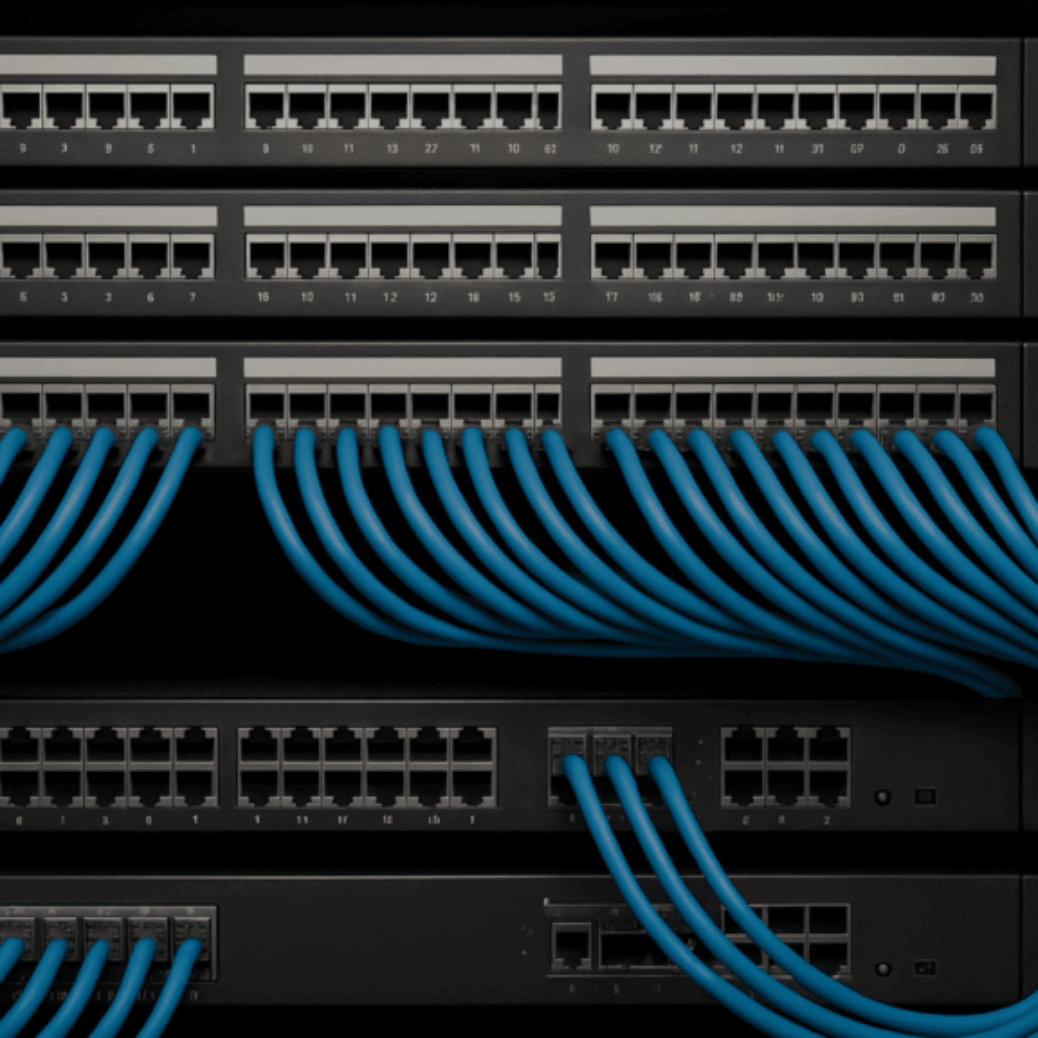
Even the most advanced business Wi-Fi upgrades depend on a strong wired backbone to deliver speed, reliability, and security. Ethernet cable installers ensure that office networks operate smoothly by building the foundation that supports wireless access points, servers, switches, and mission-critical systems.
Businesses that work with professional cable installation contractors understand that proper cabling reduces downtime, minimizes interference, and prevents network congestion. Wi-Fi provides mobility, but Ethernet provides stability. When advanced wireless technologies are paired with a well-designed wired infrastructure, organizations can build intelligent office networks without sacrificing performance or scalability.
Why Businesses Continue to Choose Ethernet Over Wi-Fi Alone?
Despite the rise of wireless networking, many businesses still require the reliability, speed, and security that only Ethernet cabling can provide. While Wi-Fi is convenient, it often fails to meet the performance standards demanded by modern offices.
Organizations that rely exclusively on wireless networks frequently encounter inconsistent speeds, latency issues, and security vulnerabilities. These problems are especially common in offices with high device density, heavy data usage, or real-time applications. Structured cabling systems installed by experienced professionals help eliminate these risks.
Modern enterprise networks must support VoIP systems, video conferencing, cloud platforms, and multiple connected devices simultaneously. Ethernet cabling provides a stable platform that allows all of these systems to function efficiently, even in environments crowded with competing wireless signals. For businesses planning business Wi-Fi upgrades, combining wireless access points with a solid wired backbone ensures both speed and flexibility.
Professional commercial cabling specialists design networks that align with operational requirements and compliance standards. With the help of certified Ethernet cable installers, businesses can future-proof their infrastructure, enabling higher bandwidth, low-latency connections, and support for evolving applications without disruption.
Consistent Speed Without Interference
Wi-Fi signals are highly susceptible to congestion caused by multiple devices, physical barriers like walls, and overlapping networks from nearby offices. These factors often lead to dropped connections, slow speeds, and unstable performance that disrupt daily business operations.
Wired networks deliver predictable and consistent performance. Ethernet connections provide a direct path between devices and network equipment, eliminating interference and ensuring reliable data transmission. When installed professionally, Ethernet cabling keeps essential systems running smoothly and consistently throughout the workday.
Low-Latency Connectivity for Business-Critical Applications
Latency plays a major role in network performance. Even a few milliseconds of delay can affect VoIP calls, video conferences, financial systems, security monitoring, and real-time collaboration tools.
Low-latency connectivity is essential for high-stakes operations. Wireless-only environments often experience jitter and sluggish performance during peak usage. Structured Ethernet cabling ensures that critical systems remain fast, precise, and dependable, supporting seamless communication and accurate decision-making.
Stronger Security and Compliance Control
Ethernet cabling significantly improves network security and compliance. Wired networks are far less vulnerable to unauthorized interception than wireless connections, and access points are easier for IT teams to monitor and control.
Industries such as finance, healthcare, and legal services often require strict data protection standards. Professionally installed commercial cabling solutions help organizations meet compliance requirements while maintaining operational efficiency. Cable installation contractors design secure infrastructures that protect sensitive data and support regulatory obligations.
Ethernet Cabling as the Backbone of Smart Office Networks
Smart office networks extend far beyond Wi-Fi routers and connected laptops. They integrate IoT devices, automation systems, access control panels, AV solutions, and collaboration tools into a unified environment.
All of these systems depend on a strong wired backbone to handle increasing data traffic. Ethernet cable installers play a crucial role in building this foundation. While Wi-Fi is convenient, it struggles in offices filled with smart sensors, VoIP phones, video conferencing equipment, and high-performance workstations.
Dropped signals, coverage gaps, and latency issues can disrupt productivity and compromise security. Professionally installed Ethernet cabling ensures stable, high-speed connectivity that allows every device to operate at its full potential.
Custom commercial cabling solutions support smart office requirements by powering access points, sensors, and AV systems directly through Ethernet lines. This backbone handles heavy traffic without degradation, making it easier to scale networks as businesses add new devices or upgrade systems.
In modern office environments, a powerful wired network is no longer optional. It is the foundation that keeps smart offices running smoothly, securely, and without interruption.
Why Wi-Fi-Only Office Networks Often Fail at Scale?
Relying entirely on Wi-Fi may seem convenient at first, but many organizations quickly discover hidden costs. Productivity drops when video calls freeze, large files take longer to transfer, or cloud applications lag during peak hours. IT teams often spend excessive time troubleshooting intermittent wireless issues instead of focusing on strategic improvements.
As offices add more devices and data-intensive tools, Wi-Fi networks face bandwidth bottlenecks. Security risks also increase, as wireless networks are more exposed to unauthorized access attempts. During expansions, relocations, or system upgrades, downtime caused by unstable connectivity can disrupt operations and damage client relationships.
This is why businesses turn to Ethernet cable installers to design and implement robust wired infrastructures. Professional cable installation contractors create commercial cabling systems that support smart office networks, deliver low-latency connectivity, and ensure reliable performance as businesses grow. Ethernet is not a fallback solution. It is a strategic foundation that supports successful business Wi-Fi upgrades without compromising stability.
How Ethernet Cable Installers Improve Long-Term Business Performance
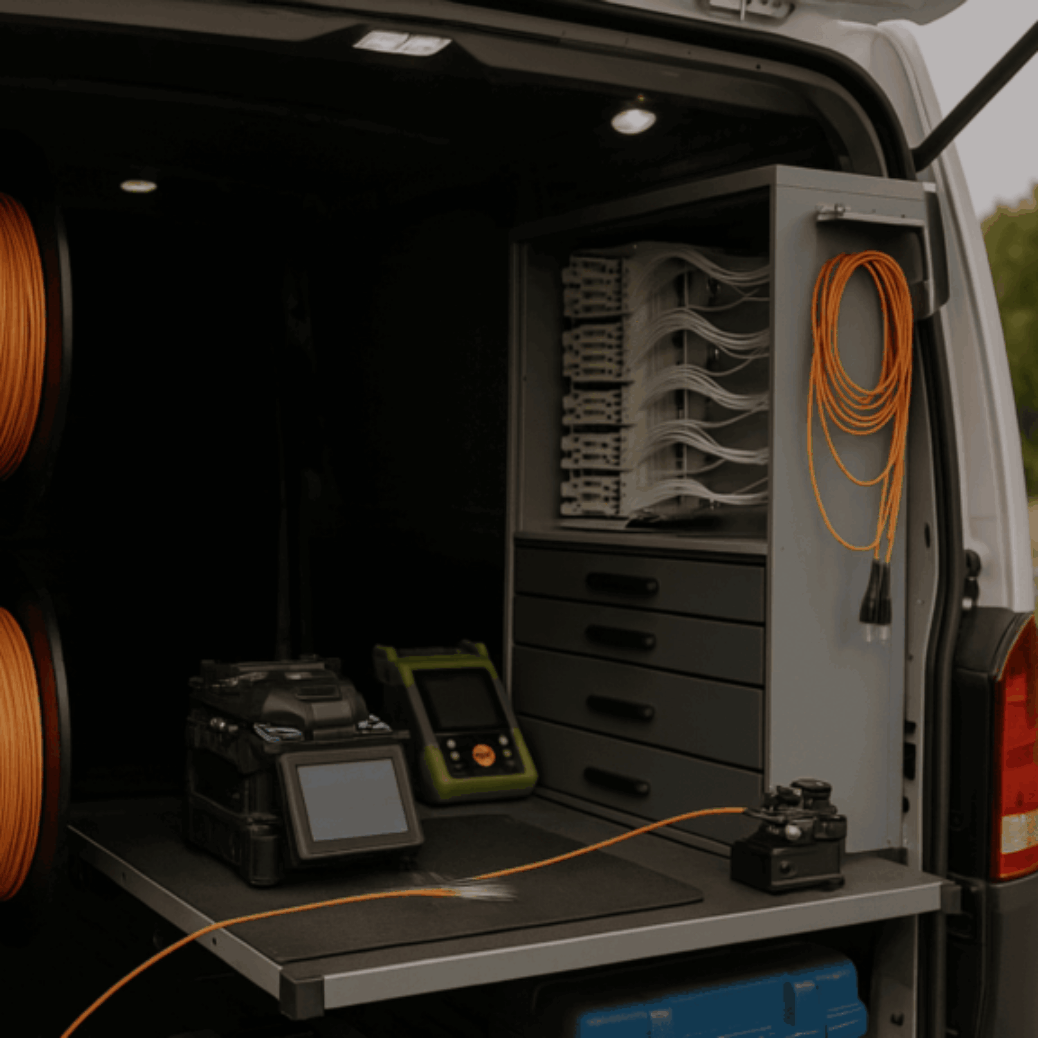
Professional Ethernet cable installers do more than run cables through walls and ceilings. They design network infrastructures that support current operations while preparing for future demands.
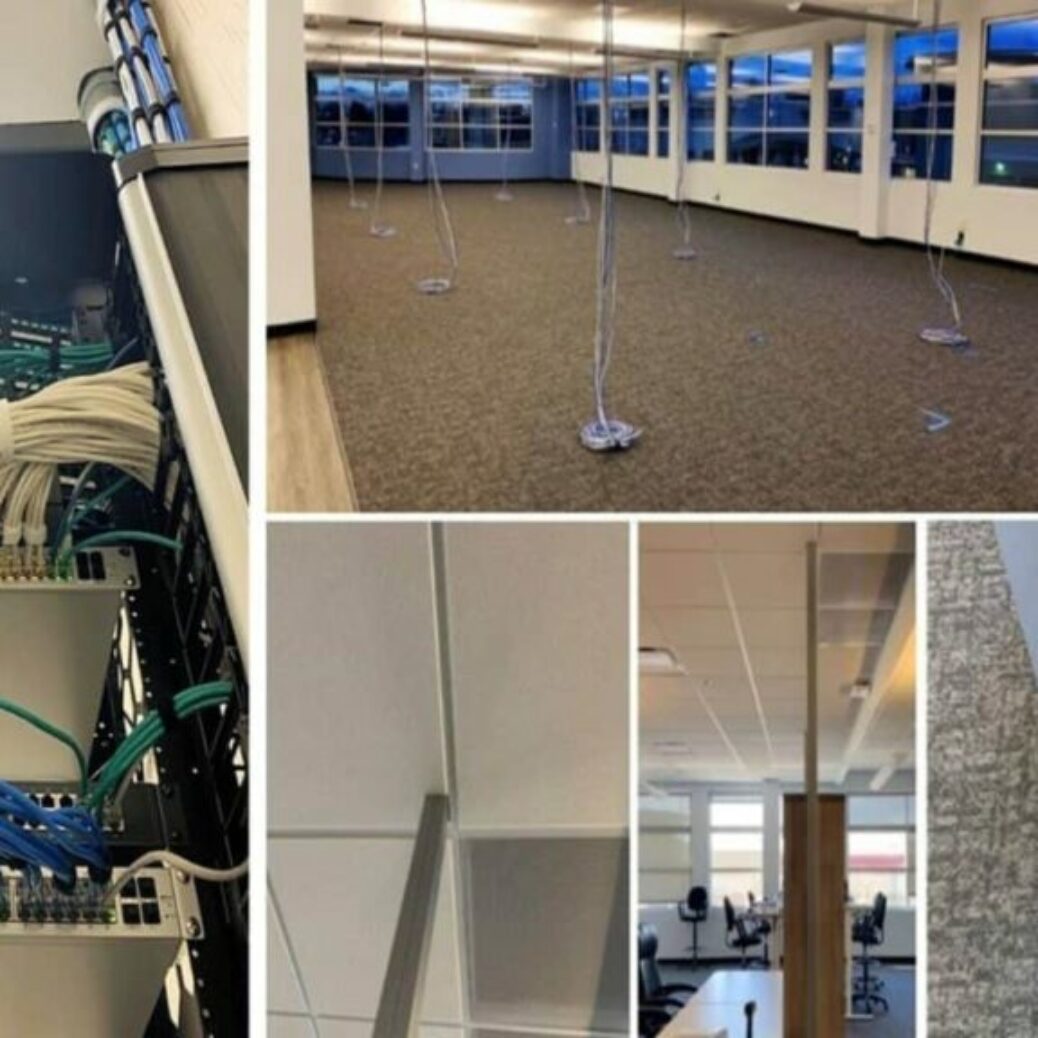
Modern businesses operate in fast-paced environments where slow connectivity is not an option. Certified installers analyze building layouts, equipment placement, power sources, and data requirements to create structured cabling systems that deliver consistent performance and scalability.
In commercial environments such as office buildings and shared workspaces, properly installed Ethernet cabling supports seamless integration of devices, IoT systems, and enterprise applications. This becomes especially important when organizations upgrade their business Wi-Fi networks. Wireless access points still rely on wired connections to deliver speed, stability, and coverage across large spaces.
Unlike patchwork or DIY installations, professional cabling projects follow industry standards, optimize routing, reduce interference, and ensure documentation and testing. This structured approach minimizes downtime, enhances security, and supports technologies such as VoIP, cloud platforms, and video conferencing that modern workplaces depend on daily.
Why DIY or Patchwork Cabling Backfires
Some businesses attempt to save costs by installing cabling themselves or expanding networks in pieces over time. While this may work temporarily, it often creates long-term problems that are costly to fix.
- Hidden performance issues: Improper routing or unshielded cables can cause latency spikes, signal loss, and intermittent downtime.
- Standards compliance risks: Cabling that does not meet commercial or safety standards can lead to violations and future rework.
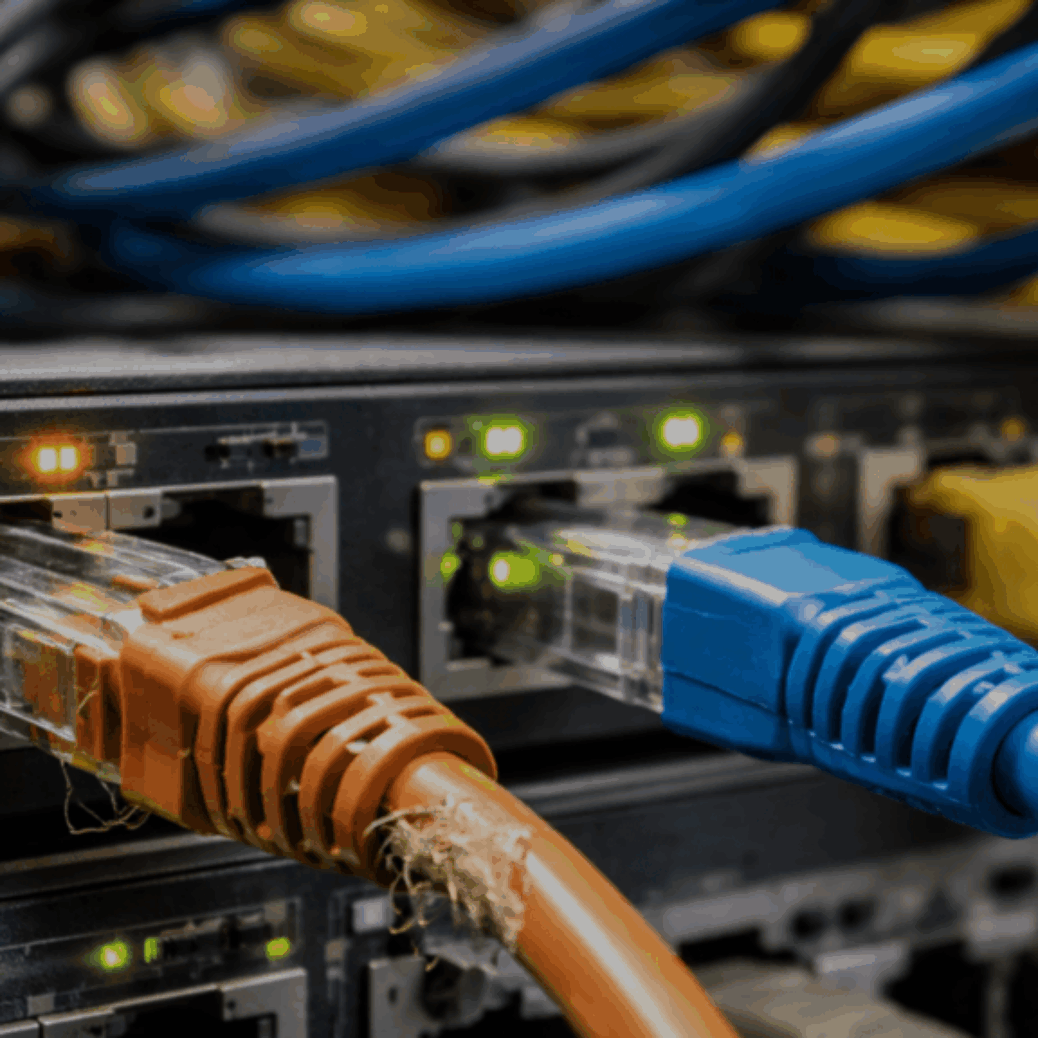
- Safety concerns: Loose or tangled cables increase fire hazards and trip risks in busy office environments.
Professional Ethernet cable installers eliminate these issues by designing clean, compliant, and efficient network layouts from the start.
What Professional Ethernet Cable Installers Actually Do
Experienced installers follow a structured process to ensure reliable results:
- Site assessments: Evaluate building layouts, power availability, and equipment locations to design efficient network paths.
- Load planning: Ensure the network can handle current data traffic and future expansion without bottlenecks.
- Future-proof layouts: Plan cable routes and switch locations that accommodate growth and technology upgrades.
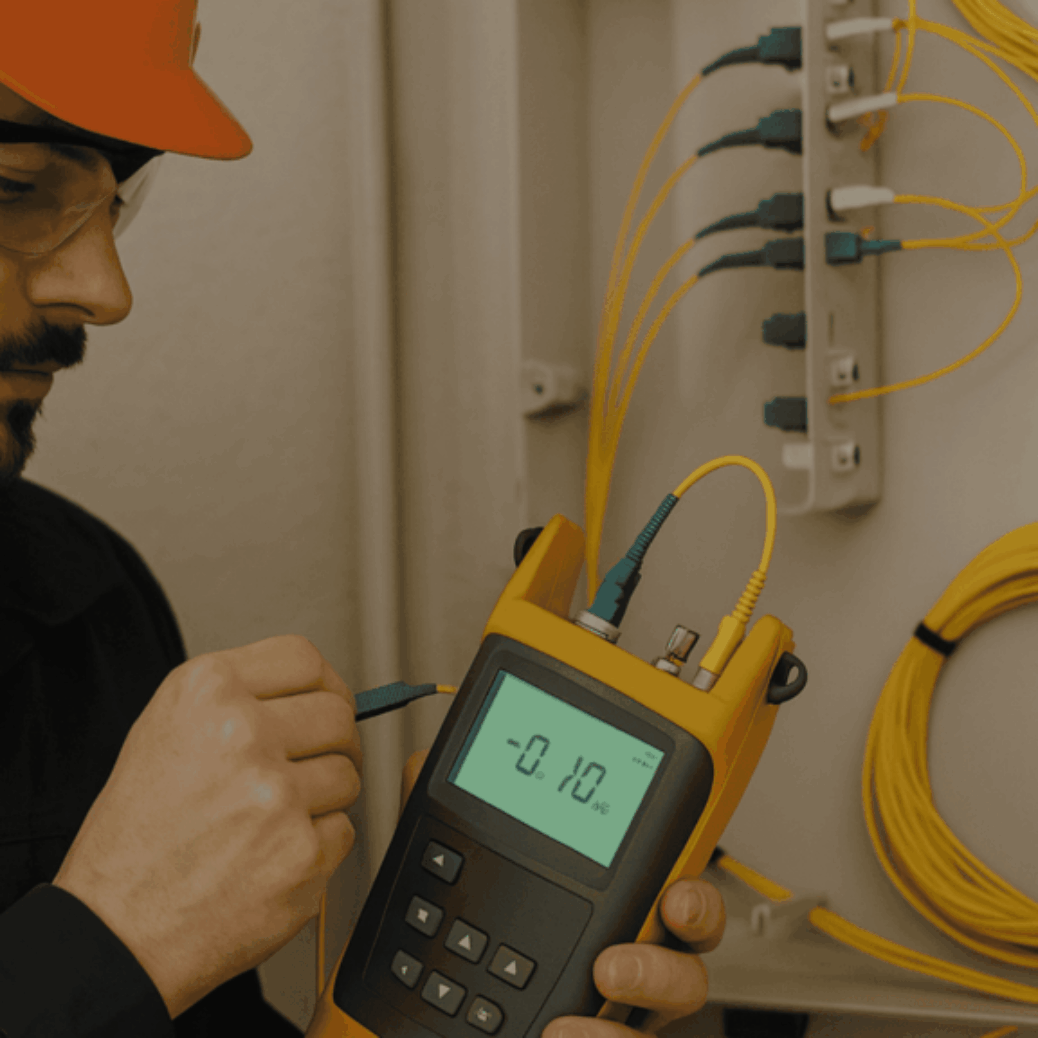
- Testing and certification: Verify every connection meets performance standards, ensuring low-latency connectivity and long-term reliability.
This approach transforms disorganized cabling into a high-bandwidth backbone that supports smooth business operations.
Ethernet Cabling as a Growth Enabler, Not Just Infrastructure
Investing in professional commercial cabling is not just about connectivity. It is about enabling smarter, faster, and more secure business communication.
Well-planned Ethernet infrastructure supports expansion without requiring complete rebuilds. Proper cable layouts reduce maintenance costs, simplify troubleshooting, and ensure networks remain stable as new technologies are introduced.
Businesses that partner with skilled cable installation contractors gain confidence that their networks will perform under heavy loads and evolving demands. This reliability allows teams to focus on innovation, productivity, and customer service rather than connectivity issues.
Frequently Asked Questions (FAQ Schema–Ready)
Do modern offices still need Ethernet cabling?
Yes. Even in Wi-Fi-driven offices, Ethernet cabling remains essential. Wired networks provide consistent speed, stronger security, and low-latency connectivity that wireless networks alone cannot guarantee.
Can Wi-Fi replace Ethernet in business environments?
Wi-Fi cannot fully replace Ethernet in business settings. Wireless networks depend on wired backbones to support access points, servers, and core systems. Ethernet ensures stability and performance for critical applications.
Why is Ethernet better for low-latency connectivity?
Ethernet connections deliver direct, interference-free data transmission. This reduces latency and jitter, making Ethernet ideal for VoIP, video conferencing, financial systems, and real-time collaboration tools.
Are Ethernet networks more secure than Wi-Fi?
Yes. Wired networks are less susceptible to unauthorized interception and provide better control over access points. This makes Ethernet cabling a preferred choice for businesses with strict security and compliance requirements.
How do Ethernet cable installers support smart office networks?
Ethernet cable installers build the wired backbone that supports IoT devices, automation systems, access control panels, and AV equipment. This ensures reliable data flow and scalable network performance.
Is Ethernet cabling still future-proof?
Modern Ethernet standards support high bandwidth and evolving technologies. Professionally installed cabling systems are designed to scale, making them future-proof for growing businesses.
Final Thoughts: Ethernet Still Powers Modern Offices
Ethernet remains essential in Wi-Fi-driven offices because it delivers unmatched reliability, security, and performance. While wireless technology improves convenience, it cannot replace the stability of a well-designed wired network.
Businesses that invest in professional Ethernet cable installers gain a strong foundation for smart office networks, business Wi-Fi upgrades, and long-term growth. With structured planning, certified installation, and scalable design, Ethernet continues to be the backbone that keeps modern workplaces connected without compromise.

CORPORATE OFFICE
1509 W Hebron Parkway
Suite Number 150
Carrollton, TX 75010