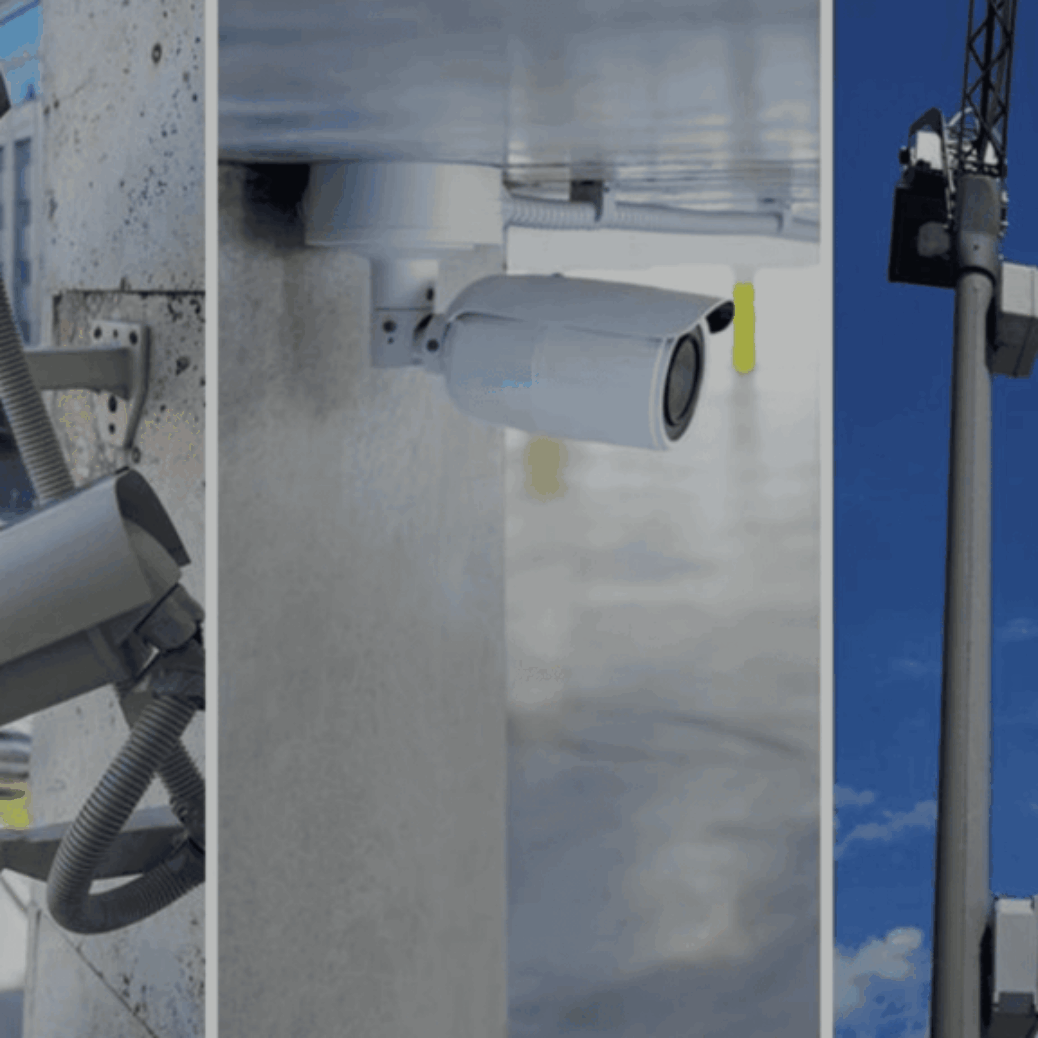
Why Cat6 Cabling Is Ideal for CCTV and IP Security Camera Systems?

Network infrastructure is the foundation of modern business security and surveillance systems. Whether it is a corporate office, hospital, warehouse, or retail store, reliable video surveillance depends heavily on how well the network is designed and installed.
However, many businesses overlook one critical component that directly affects camera performance: cabling.
Cat6 cabling is widely regarded as the gold standard for modern CCTV and IP camera systems. It offers faster data transmission, reduced interference, and long-term scalability, making it a preferred choice for organizations planning reliable and future-ready security infrastructure.
These advantages make Cat6 cable installation the preferred choice for CCTV and IP security camera systems. In this guide, you will learn why Cat6 cabling outperforms lower-grade cables, how it supports modern surveillance requirements, and why it plays a key role in structured cabling and Fiber-ready network environments.
CCTV vs IP Camera Systems: Understanding the Difference
Before exploring the benefits of Cat6 cabling, it is important to understand the difference between CCTV and IP camera systems.
CCTV Camera Systems
CCTV systems use analog cameras that transmit video signals through coaxial cables to a central recording device. These systems have been in use for decades and are still found in older installations.
However, traditional CCTV systems come with several limitations, including:
- Lower video resolution
- Limited scalability
- No native remote access
- Complex wiring requirements
Because of these constraints, many businesses are transitioning away from analog CCTV setups.
IP Camera Systems
IP camera systems transmit video data using Ethernet cabling. These cameras integrate directly with the network infrastructure and deliver high-definition video, remote monitoring, and smart features such as analytics and AI-based detection.
IP cameras rely on the same structured cabling backbone as other network devices, making cable quality essential for consistent performance, stability, and future expansion.
What Is Cat6 Cabling and Why It Matters for Security Systems?
Cat6 cable is a high-performance Ethernet cable designed to support gigabit and 10-gigabit data transmission speeds. Compared to Cat5e, Cat6 offers higher bandwidth, tighter wire twisting, and reduced crosstalk.
Key Features of Cat6 Cabling
- Higher bandwidth capacity
- Faster data transmission speeds
- Reduced electromagnetic interference
- Available in UTP and STP variants
These features make Cat6 cable installation ideal for CCTV and IP camera systems that require stable, high-speed connectivity. Security cameras generate continuous data streams, and Cat6 ensures smooth transmission without packet loss or latency issues.
Why Cat6 Cable Installation Is Best for CCTV and IP Camera Systems?
With increasing security threats, nearly every modern business deploys CCTV or IP camera systems. While camera hardware often gets the most attention, network cabling is what determines long-term performance and reliability.
Professional network cabling installers consistently recommend Cat6 cabling for surveillance systems because it supports both current and future network demands.
Below are the key reasons Cat6 cabling is the best choice for security camera installations.
Superior Data Transmission for High-Resolution Video
Security cameras generate large volumes of data, especially when recording in HD, 4K, or higher resolutions. High-quality cabling is essential to handle this data without delays or disruptions.
Cat6 cabling supports data transmission speeds of up to 10 Gbps, allowing businesses to stream live video and record footage simultaneously without performance drops.
Benefits include:
- Lag-free video streaming
- Fast data transfers
- Real-time monitoring
Lower-grade cables such as Cat5e may struggle under heavy video loads, leading to delayed or unstable video feeds. This can compromise surveillance effectiveness, especially in critical environments.
Greater Bandwidth for Future Expansion
Security systems continue to evolve. Businesses expand, add more cameras, integrate cloud storage, and deploy analytics software over time.
Cat6 cabling provides the bandwidth required to support these upgrades without impacting network performance. This makes it a future-ready solution for growing organizations.
With Cat6 cable installation, businesses can easily scale to include:
- Higher-resolution cameras
- Cloud-based video storage
- Remote access and monitoring
By investing in Cat6 cabling, businesses avoid costly rewiring and network overhauls as technology advances.
Minimal Interference and Signal Loss
Electromagnetic interference is a common cause of poor signal quality in security camera systems. Industrial equipment, electrical wiring, and wireless devices can all disrupt data transmission.
Cat6 cabling features tighter twists and improved shielding that block external interference and ensure consistent data flow. This results in stable connections, even in large or high-interference installations.
For surveillance systems, this means fewer signal drops, clearer video feeds, and reliable camera connectivity across the facility.
PoE Support for Simplified Camera Installations
One of the major advantages of Cat6 cabling is its strong support for Power over Ethernet (PoE). A single Cat6 cable can transmit both power and data to IP cameras, eliminating the need for separate power sources.
PoE-enabled Cat6 cabling offers several benefits:
- Faster installation
- Lower infrastructure costs
- Flexible camera placement
- Improved compatibility with modern cameras
Because of these advantages, structured cabling companies prefer Cat6 for both indoor and outdoor security camera installations.
Connectivity and Reliability Over Long Distances
Cat6 cabling can transmit data and power efficiently over distances of up to 100 meters without signal degradation. This range is sufficient for large facilities such as warehouses, campuses, parking structures, and multi-story office buildings.
When installed by experienced network cabling installers, Cat6 ensures:
- Consistent data flow
- Reduced downtime
- Stable power delivery to multiple devices
This reliability is critical in mission-critical environments where uninterrupted surveillance is required.
Better Video Quality and Network Stability
Poor cabling often results in pixelated images, buffering, or latency in live video feeds. Cat6 cabling eliminates these issues by maintaining consistent signal quality and higher data rates.
Whether video is streamed to an on-site server or a remote cloud platform, Cat6 cabling ensures stable connectivity and clear, high-definition footage. This is especially important for forensic analysis and incident investigations.
Best Practices for Cat6 Cable Installation in Security Systems
The performance benefits of Cat6 cabling depend heavily on proper installation. Even the highest-grade cable can fail to deliver optimal results if installed incorrectly.
Cat6 cable installation involves more than running wires. Planning, handling, and termination all affect system performance and longevity.
Below are essential best practices to ensure reliable and scalable security cabling.
Well-Planned Cabling Layout
A successful installation begins with a well-planned cabling layout. Camera placement, viewing angles, coverage zones, blind spots, and distances from network switches should be identified before running cables.
Proper planning helps determine:
- Cable routes
- PoE load requirements
- Number of connections needed
Since security systems often expand, planning should also account for additional cable runs, spare conduits, and future high-resolution cameras. This approach prevents costly rewiring later.
Right Cable Handling and Pulling Techniques
How Cat6 cable is handled during installation directly affects its performance. Sharp bends can reduce transmission speed and cause voltage drops. Excessive pulling force can damage internal conductors, leading to network failures.
Professional cable installers use proper tools such as cable pullers and ensure cables remain clear of electromagnetic interference sources. This preserves signal integrity and ensures stable camera feeds.
Proper Cable Type Selection Based on Environment
Choosing the correct Cat6 cable type is critical for long-term performance. Cat6 cable is available in two variants: Unshielded Twisted Pair (UTP) and Shielded Twisted Pair (STP).
UTP Cat6 cables are suitable for indoor environments such as offices, retail spaces, and standard commercial buildings where electromagnetic interference is minimal.
STP Cat6 cables are designed for high-interference or outdoor environments, including industrial facilities, warehouses, and exterior camera installations. The additional shielding protects data signals from interference and ensures consistent, clear video transmission.
Selecting the correct cable type based on the installation environment helps maintain signal integrity and reduces long-term maintenance issues.
Proper Termination and Connector Quality
Termination quality plays a major role in overall network performance. Using low-quality connectors or improper termination methods can reduce bandwidth, affect PoE delivery, and lead to unstable camera feeds.
Cat6a-rated connectors should be used to maintain performance standards and ensure compatibility with PoE-enabled devices. Proper twist lengths must be preserved during termination to avoid crosstalk and signal degradation.
Certified network cabling installers use professional-grade tools and cable testers to verify termination accuracy, ensuring optimal data transmission and reliable camera operation.
Labeling, Patch Panels, and Cable Management
Organized cabling makes security systems easier to service, troubleshoot, and expand. Every cable should be clearly labeled at both ends, including camera endpoints, patch panels, and junction boxes.
Using patch panels improves cable organization, minimizes wear and tear, and simplifies future upgrades. Proper cable trays, conduits, and pathways protect cables from physical damage and accidental pulls.
Effective cable management is a core component of structured cabling systems and directly contributes to long-term reliability.
Grounding and Surge Protection
Outdoor security cameras are vulnerable to electrical surges caused by weather conditions or power fluctuations. Proper grounding and surge protection are essential to protect the network infrastructure.
When using STP Cat6 cables, network switches must be grounded correctly. Surge protectors should be installed to safeguard camera lines, switches, and routers from electrical faults or lightning strikes.
These precautions help prevent equipment damage, downtime, and costly replacements.
Proper PoE Distribution and Load Balancing
Power over Ethernet simplifies camera installations, but improper PoE planning can lead to performance issues. Overloading a single PoE switch may cause overheating, inconsistent power delivery, or camera reboots.
High-quality Cat6 cables support stable PoE transmission, but load distribution must also be managed correctly. Using multiple switches and monitoring power budgets ensures reliable operation across all cameras.
Proper PoE planning prevents shutdowns, flickering video feeds, and system instability.
Testing, Certification, and Documentation
After installation, the cabling system should be tested, certified, and documented. Network testers verify bandwidth capacity, signal continuity, crosstalk levels, and voltage accuracy.
Documentation should include cable routing diagrams, cable lengths, certification reports, and warranty details. This information simplifies troubleshooting, audits, and future expansions.
Professional structured cabling companies provide complete documentation as part of a compliant installation.
Common Mistakes to Avoid During Cat6 Camera Cabling
Even high-quality materials can fail if installation mistakes occur. Avoiding common errors helps ensure long-term performance and reliability.
Using Low-Quality Cables
Low-cost cables often fail to meet Cat6 standards and may result in data loss, signal interference, and poor video quality. While they may appear cost-effective initially, they increase maintenance and replacement costs over time.
Mixing Incompatible Connectors
Using connectors or switches that are not Cat6-compatible can limit performance and disrupt PoE functionality. Always match cables, connectors, and switches to Cat6 specifications.
Ignoring PoE Load Limits
Every PoE switch has a defined power capacity. Exceeding this limit can cause camera shutdowns, overheating, or inconsistent performance. Proper load calculations are essential.
DIY Installations
DIY installations often lead to wiring errors, improper termination, and compliance issues. Without professional tools and certification, even minor mistakes can significantly impact system performance.
Hiring experienced network cabling installers ensures the installation is compliant, scalable, and future-ready.
Final Thoughts: Why Cat6 Cabling Is the Right Choice
Cat6 cable installation plays a critical role in the performance, reliability, and scalability of CCTV and IP camera systems. It supports high-resolution video, PoE delivery, and long-distance connectivity while minimizing interference and signal loss.
As security systems continue to evolve, Cat6 cabling provides a structured foundation that integrates seamlessly with Fiber optic infrastructure and modern network designs.
Partnering with a professional structured cabling company ensures that your surveillance system is installed correctly, performs consistently, and remains adaptable for future technologies.
Frequently Asked Questions
Is Cat6 good for PoE cameras?
Yes, Cat6 is ideal for PoE cameras because it supports higher power delivery, improved heat dissipation, reduced interference, and future-ready performance.
How far can Cat6 run for CCTV?
Cat6 cable supports distances of up to 100 meters for CCTV and IP cameras. This range can be extended using PoE extenders, Fiber optic cable, or long-range PoE switches.
Do IP cameras need Cat6 or Cat5e?
Cat5e may be sufficient for basic setups, but Cat6 is recommended for IP cameras requiring higher performance, better stability, and future scalability.

CORPORATE OFFICE
1509 W Hebron Parkway
Suite Number 150
Carrollton, TX 75010