Why Office Networks Fail Without Proper Low-Voltage Cabling Design?

Modern offices are very different from traditional workplaces. They rely heavily on fast, stable, and scalable network infrastructure to support daily operations. Nearly everything runs on connectivity, from cloud-based applications and VoIP calls to surveillance systems and access control.
When network issues arise, many businesses in DFW immediately blame their internet service provider. However, the real problem often lies behind the walls — in poorly designed low-voltage cabling systems.
Even expensive switches, high-speed internet plans, and enterprise-grade firewalls cannot compensate for weak physical infrastructure. If the low-voltage cabling design is flawed, network performance will suffer.
This is why experienced low-voltage wiring contractors focus not just on installation but on proper network infrastructure planning from the beginning.
What Is Low-Voltage Cabling Design for Office Networks?
Low-voltage cabling refers to wiring systems that carry signals under 50 volts. These include:
- Data cabling
- Voice systems
- Access control wiring
- Security and surveillance cabling
While the cables themselves may seem simple, the design determines the reliability, scalability, and long-term performance of your office network.
Low-voltage cabling design involves:
- Planning cable pathways and termination points
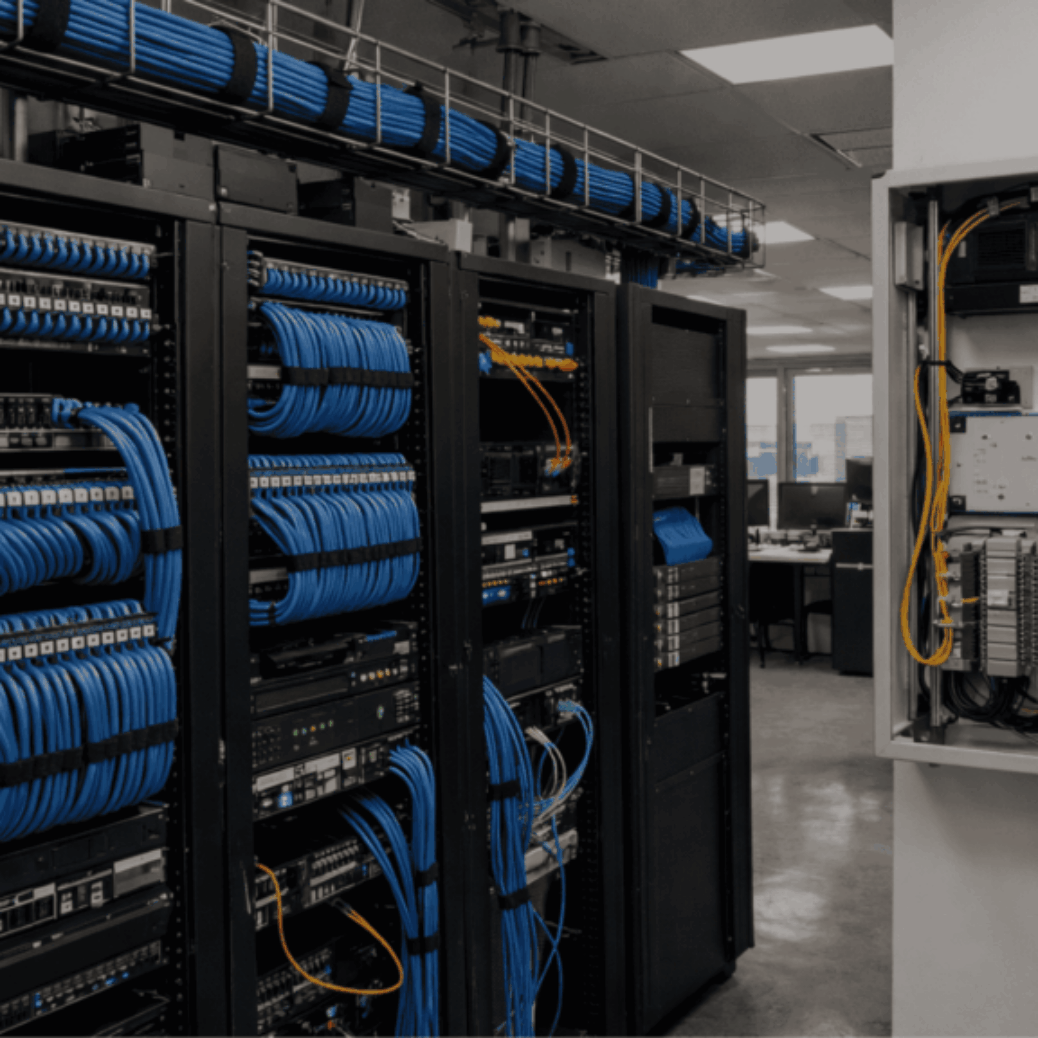
- Organizing racks and network closets
- Selecting appropriate cable categories (Cat6, Cat6A, fiber optic)
- Ensuring compliance with industry standards
Without structured design, businesses often experience degraded performance, tangled wiring, and network failures under heavy load.
How to Tell If Your Office Network Cabling Is Failing
Many businesses live with recurring network problems without identifying the root cause. Poor cabling design often shows clear warning signs.
Common indicators include:
- Frequent network dropouts
- Slow file transfers
- Inconsistent connectivity
- WiFi access points not delivering expected speeds
- Overheated switches and overcrowded racks
- Continuous troubleshooting without permanent resolution
Upgrading hardware or increasing bandwidth rarely solves these problems long term. If the foundation is weak, performance will remain unstable.
How Low-Voltage Cabling Design Impacts Office Network Performance
Modern businesses send emails, conduct video conferences, and transfer large files throughout the day. All this data first travels through physical cabling infrastructure before reaching the internet.
If that infrastructure is poorly designed, data transmission becomes unstable and inefficient.
Poor cabling design can result in:
- Slower network speeds
- Increased latency and packet loss
- Signal interference
- Frequent disconnections
- Hardware overheating
Even the best routers and firewalls cannot overcome structural design flaws. This is why professional structured cabling solutions are essential for performance-driven offices.
Top Reasons Office Networks Fail Without Proper Low-Voltage Cabling Design
1. Lack of Structured Cabling Planning
Many businesses add cables only when needed instead of implementing a long-term design strategy. Over time, this creates disorganized and inefficient infrastructure.
Without proper planning:
- Cables run through unsafe pathways
- Data and power wiring overlap
- Troubleshooting becomes time-consuming
- Scalability becomes difficult
Experienced commercial low-voltage wiring contractors design infrastructure from the ground up to prevent long-term failures.
-
Incorrect Cable Types
Not all cables are created equal. Choosing the wrong cable category for your bandwidth needs can severely limit performance.
Common mistakes include:
- Using outdated Cat5e cabling
- Avoiding fiber optic cables for long-distance runs
- Mixing incompatible cable standards
When cable capacity does not match bandwidth demand, bottlenecks occur.
-
Poor Cable Management and Labeling
Cable management is not about aesthetics. It directly impacts performance and maintenance efficiency.
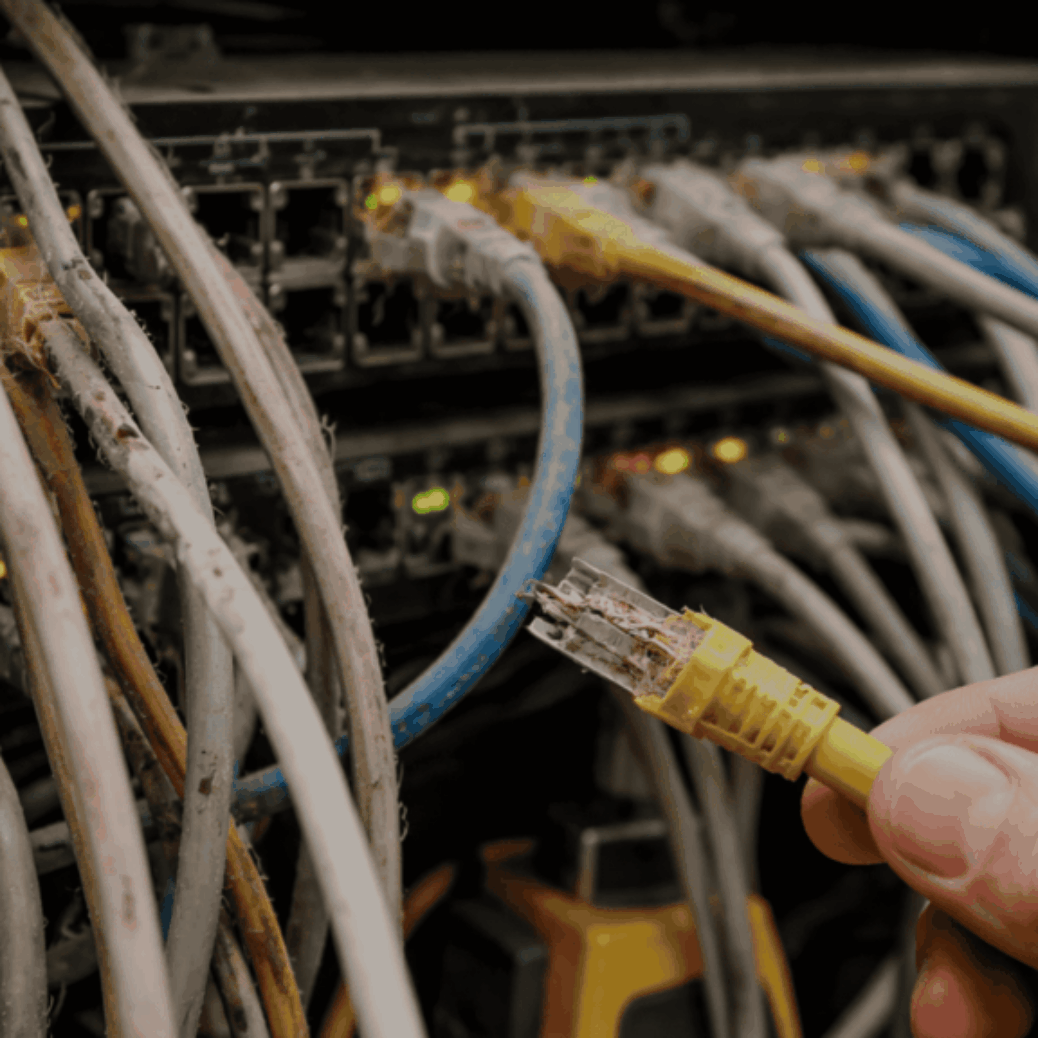
Poor cable management leads to:
- Accidental disconnections
- Extended downtime
- Difficult upgrades
- Physical cable stress
- Premature damage
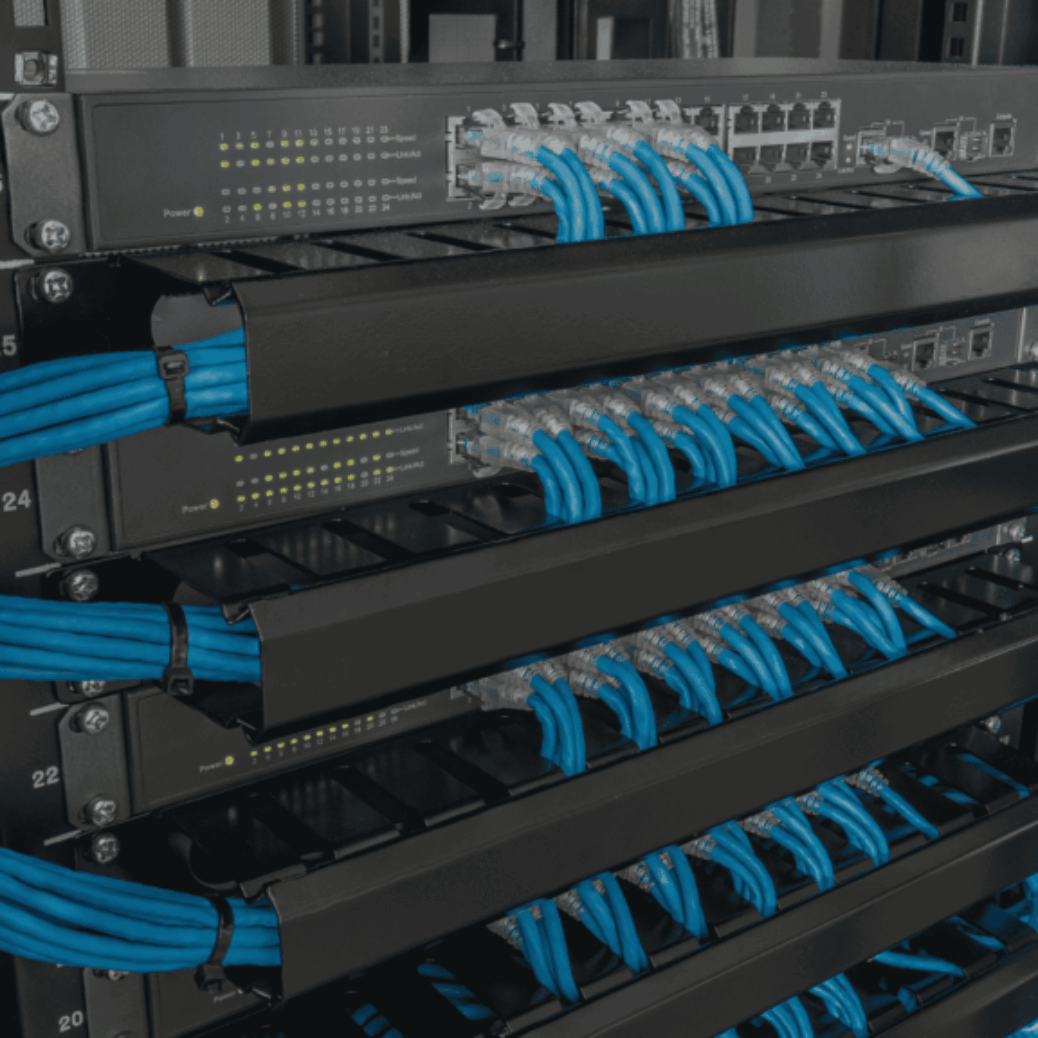
Proper labeling, organized patch panels, and logical routing ensure long-term reliability.
-
Improper Network Closet and Rack Design
Your network closet functions as the heart of your office infrastructure. When airflow, rack layout, and cable separation are ignored, failures become inevitable.
Common problems include:
- Overcrowded racks
- Excessive cable bending
- No separation between power and data cables
This results in overheating, signal degradation, and hardware failure.
Proper low-voltage cabling design ensures airflow optimization and clean rack architecture.
-
Ignoring Industry Standards and Compliance
Low-voltage cabling must follow recognized industry standards for safety and performance.
Non-compliant installations can result in:
- Voided warranties
- Failed inspections
- Fire hazards
- Insurance complications
Hiring licensed and experienced low-voltage wiring contractors protects your investment and ensures regulatory compliance.
-
Inadequate Planning for Future Growth
Many businesses plan infrastructure based only on current needs. However, future scalability should always be considered.
Without future-proofing:
- No additional capacity is available
- Expansion requires costly rework
- Downtime increases during upgrades
Designing for growth ensures smooth transitions as your team and technology expand.
-
Incomplete Testing and Certification
Skipping testing during installation often leads to hidden faults.
Incomplete testing can result in:
- Undetected cable damage
- Improper terminations
- Signal inconsistencies
Using low-quality patch cords to cut costs can compromise even high-performance network backbones.
Professional testing and certification ensure long-term reliability.
Why This Matters for DFW Businesses
For offices in DFW, reliable network performance is not optional. Whether you operate in healthcare, finance, logistics, or corporate services, connectivity directly impacts productivity.
Proper low-voltage cabling design ensures:
- Stable performance
- Reduced downtime
- Easier maintenance
- Long-term cost savings
Investing in design from the beginning prevents expensive corrective work later.
Hiring the Right Network Installation Services
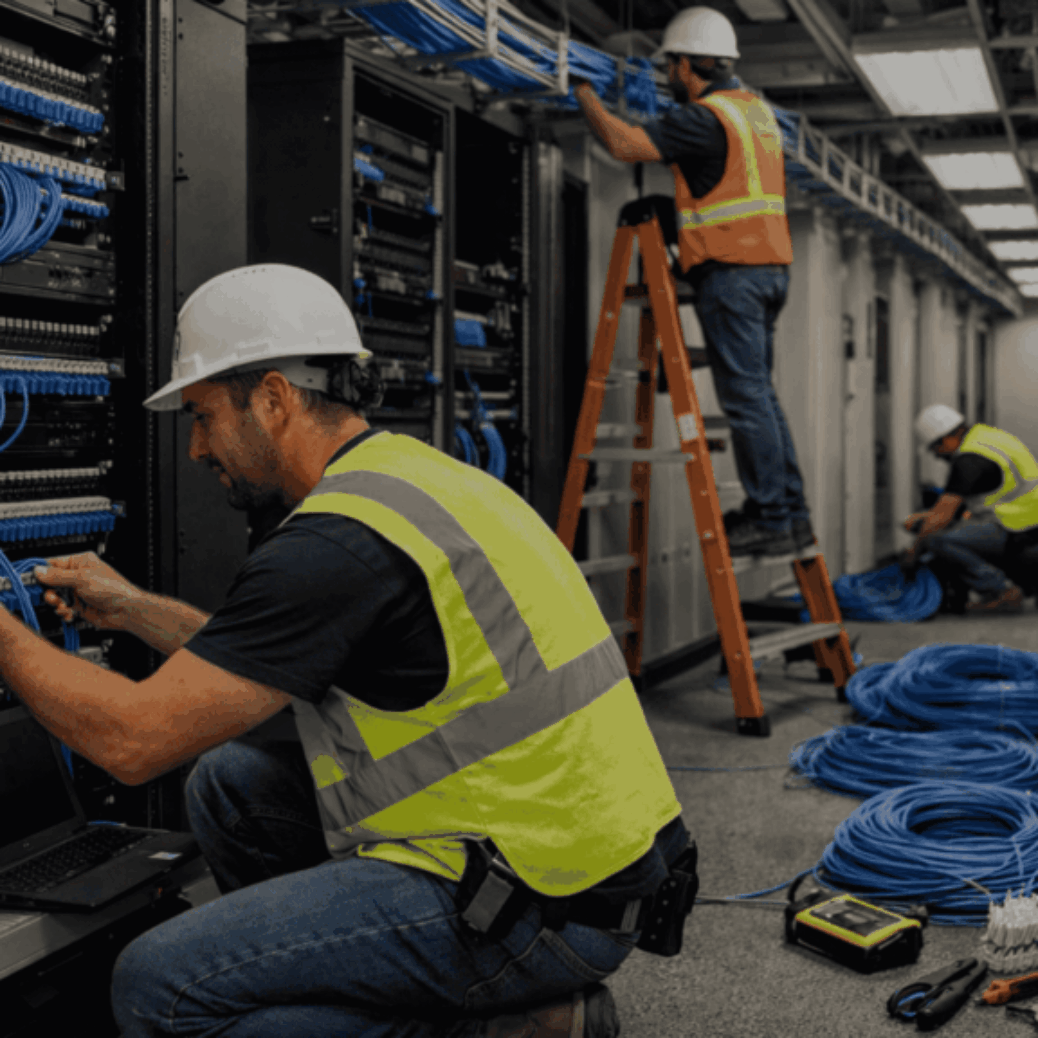
The professionals you hire for cabling installation play a critical role in your office network infrastructure. Many businesses assume cabling is simple, but proper low-voltage cabling design requires planning, knowledge of compliance standards, and long-term scalability expertise.
Choosing the wrong provider can result in performance issues, compliance risks, and expensive rework. That is why selecting experienced network installation services in DFW is essential.
Here are the key factors to evaluate before making a decision.
-
Expertise and Industry Experience
When hiring low-voltage cabling contractors, expertise is non-negotiable. The first factor to check is experience.
Some businesses hire inexperienced installers to save money. However, this often results in higher costs later due to poor planning, design flaws, and performance limitations.
An experienced installer understands:
- Bandwidth planning
- Cable category selection
- Rack layout optimization
- Compliance standards
- Future-proof network expansion
Hiring expertise from the beginning prevents long-term operational disruptions.
-
Market Reputation
Many believe only pricing and years of experience matter. In reality, market reputation is equally important.
Before hiring a low-voltage wiring contractor, review:
- Their portfolio of completed projects
- Industries they have worked with
- Verified client testimonials
- Online reviews
Reputation reflects consistency, professionalism, and long-term reliability.
For DFW businesses, local experience is especially valuable because contractors understand regional compliance standards and building regulations.
3. Licensing and Insurance
The network installation provider you choose must be properly licensed and insured. This includes:
- Liability insurance
- Property damage coverage
- Workers’ compensation
This is not optional. It protects your business from financial and legal risks during installation.
Professional contractors operate transparently and provide documentation upon request.
-
Services Offered
Not all providers offer comprehensive cabling services. Some specialize only in installation, while others provide end-to-end infrastructure design, testing, and certification.
Before hiring, confirm whether the provider offers:
- Low-voltage cabling design
- Structured cabling implementation
- Fiber optic installation
- Network closet optimization
- Testing and certification
Choosing a full-service provider ensures long-term support.
-
Equipment Quality
The equipment used during installation directly impacts performance and durability.
High-quality components reduce signal interference, improve longevity, and ensure compliance with industry standards.
Using inferior patch cords or low-grade materials to cut costs may compromise even high-performance infrastructure.
Professional structured cabling solutions prioritize:
- Certified cables
- Branded connectors
- Proper termination tools
- Industry-approved testing equipment
-
Pricing and Value
Whether you admit it or not, pricing often influences decisions. However, choosing solely based on cost can be risky.
Instead of selecting the lowest quote, compare:
- Scope of services
- Equipment quality
- Certification standards
- Warranty coverage
What appears cost-effective today may lead to unexpected expenses later.
A properly designed low-voltage cabling system is a long-term investment, not a short-term expense.
Final Takeaway:
By now, it is clear why office networks fail without proper low-voltage cabling design.
Cabling is the physical foundation of your network. When that foundation is weak, performance suffers regardless of internet speed or hardware upgrades.
Investing in professional design ensures:
- Stable network performance
- Reduced downtime
- Scalability for future growth
- Lower long-term maintenance costs
For businesses in DFW, partnering with trusted low-voltage wiring contractors ensures your office network infrastructure is built to support evolving technology demands.
If your office is experiencing frequent connectivity issues, slow speeds, or repeated troubleshooting, it may be time to evaluate your cabling infrastructure. Schedule a professional low-voltage cabling assessment today and identify the root cause before it impacts your productivity further.
Frequently Asked Questions
When should businesses upgrade office network cabling?
Businesses should consider upgrading when:
- Moving to a new office
- Experiencing frequent network disruptions
- Using outdated cabling systems
- Migrating to cloud-based or VoIP platforms
Can professional cabling prevent network failures?
Yes. Professional low-voltage cabling design helps prevent network failures by:
- Reducing signal interference
- Ensuring proper cable management
- Improving airflow and rack design
- Supporting higher bandwidth capacity
What are the best practices for cabling design?
Best practices include:
- Conducting a network needs assessment
- Selecting appropriate cable categories
- Implementing structured layout and documentation
- Performing professional installation and certification
What should you check before hiring low-voltage wiring contractors?
Before hiring, evaluate:
- Proven track record
- Industry knowledge
- Licensing and insurance
- Quality of materials used
Transparent pricing

CORPORATE OFFICE
1509 W Hebron Parkway
Suite Number 150
Carrollton, TX 75010