
Tired of Downtime? Which Structured Cabling Hacks Can Save Your Business Today?

Tired of experiencing frequent downtime? This is a concern for most businesses these days. Even a single second of downtime can cost businesses a lot. Not only this, but it also ruins the business reputation.
Whether you’re a small-sized, medium-sized, or large-scale business, a few minutes of downtime can result in missed deadlines or frustrated employees. Wondering about the root cause of this? It’s none other than the cabling.
Structured cabling contractors assist with installation, reducing downtime and ensuring business continuity. Thinking about minimizing network downtime, look no further.
Hear straight from the data cabling contractors and get to know how the Ethernet cable installation services can save your business from expensive downtime and implement network reliability strategies.
Key Causes of IT Downtime in Business Networks
Downtime is unpredictable and can happen suddenly, meaning it can happen all of a sudden. The research reveals that nearly 82% of businesses have experienced unplanned downtime at some point in time. It is not caused by merely one issue, but happens because of a variety of factors.
Some of those factors are hidden within your IT infrastructure. Consequently, let us know the common causes of downtime for businesses.
Network Infrastructure Issues
The major culprit is the poor network infrastructure. The poor network infrastructure means disorganized cabling, faulty switches, routers, or servers, resulting in downtime.
Hardware Failures
Hardware failures also result in downtime for businesses. The hardware issues such as failing power supplies or the malfunction of cooling functions. These issues take place when businesses neglect routine maintenance, and also happen without any warning.
Cybersecurity Attacks
The next common reason for downtime is cybersecurity attacks. Cybersecurity attacks, such as ransomware and others, can shut down a business’s entire network. These attacks not only result in downtime but also lead to data breaches and damage to business reputations.
Power Outages
Unexpected power failures, overheating, or physical hazards can instantly shut down business systems. This is what results in downtime and hampers business routine operations.
Software Glitches
Software glitches, such as bugs in operating systems, business software, and firmware updates. These issues can cause devices and applications to crash. Consequently, these glitches result in downtime.
Inadequate Maintenance and Monitoring
Not doing maintenance and monitoring routinely also causes downtime to businesses. Besides this, outdated documentation and ignoring the warning signs also result in downtime for businesses.
Essential Components of Structured Cabling for Network Efficiency
Structured cabling is the organized approach to designing your office’s network infrastructure. Structured cabling is the foundation of business data, voice, and video transmission. Its components include:
Horizontal Cabling- This cabling connects workstations to telecom rooms, such as cables, connectors, and patch cables.
Backbone Cabling- Backbone cabling provides connectivity between the telecommunications rooms, equipment rooms, and entrance facilities using the transmission media and terminations.
Patch Panels- Patch panels are the central points that manage the connections easily.
Cable Management- Cable management includes tools such as trays, raceways, and racks that keep everything neat.
Structured Cabling Hacks to Prevent IT Downtime
The experienced and professional data cabling contractors reveal that structured cabling can save businesses from running into downtime. The structured cabling contractors use the right strategy to not only prevent downtime but also make your network easier to manage.
Thinking, how do the data cabling experts make this happen?
Look no more, as Cabling in DFW has got an answer. Have a look at the structured cabling hacks the Ethernet cable installation services use to minimize IT downtime and save your business.
Label Everything
Nearly every business is aware of the significance of labeling everything, but still, it is the most overlooked thing during the structured cabling installation. Time happens to be the most important at the time of network issues.
If you have clear labeling in place, the network infrastructure specialists can quickly spot the connections accurately and prevent businesses from experiencing downtime.
Make sure to label both ends of the cable and do color coding for the different systems. A well-labeled system is what businesses need to prevent downtime.
Redundant Cable Paths
Businesses can avoid downtime by implementing redundant cable paths. By doing so, you tend to get alternative routes for data transmission in case of failures. This, in turn, ensures uninterrupted service to the businesses.
Simplify to, “It’s best to consider redundant network pathways and backup power systems to prevent data loss and ensure continuity, especially during high traffic or hardware failures.
Use Patch Panels
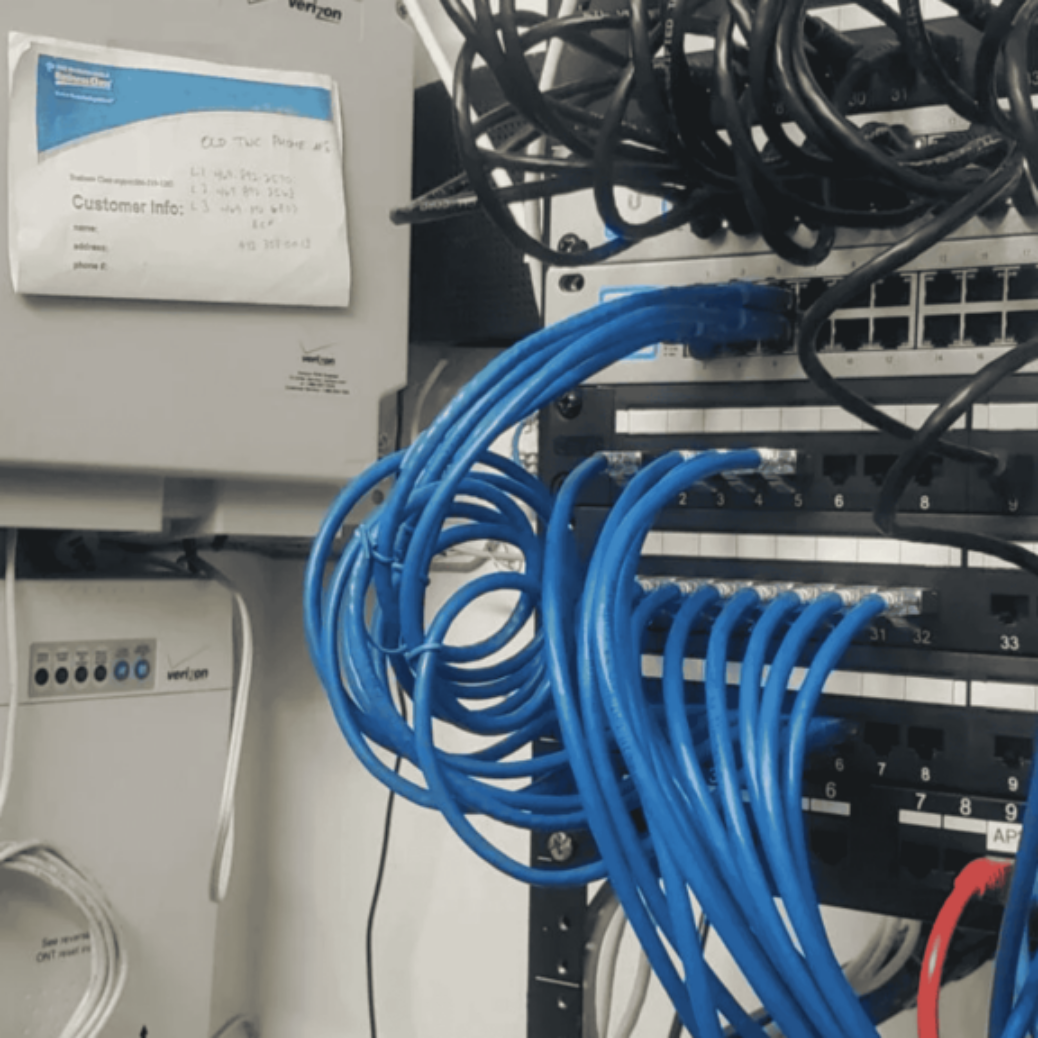
Using patch panels to avoid tangled messes is another good way to prevent downtime. As your business network grows with time, it makes it super easy for you to organize and manage multiple connections.
Otherwise, the cables are likely to go directly from the device to the switch, which creates a mess. This results in confusion and downtime as you cannot tell which cable does what when the issues arise.
Consider using shorter patch panels for a cleaner look, and keep the patch panels accessible, not in server rooms.
Think About Scalability
Your business is about to grow in the coming years, which in turn makes it vital for you to ensure your cabling grows with it. Most businesses make the mistake of thinking only of their current needs when getting a structured cabling installation and then regret it later on.
It will make it difficult for you to upgrade your tech and affect network infrastructure reliability. Adding new cables will disrupt your routine operations and require you to redo the entire layout.
The best approach? Consider your future needs and leave extra capacity in cable trays and racks. Also, consider using the modular components for easy upgrades and installing Cat6 even if you don’t need it now, as you’ll require it in the future.
Upgrade to Fiber Optic Cabling
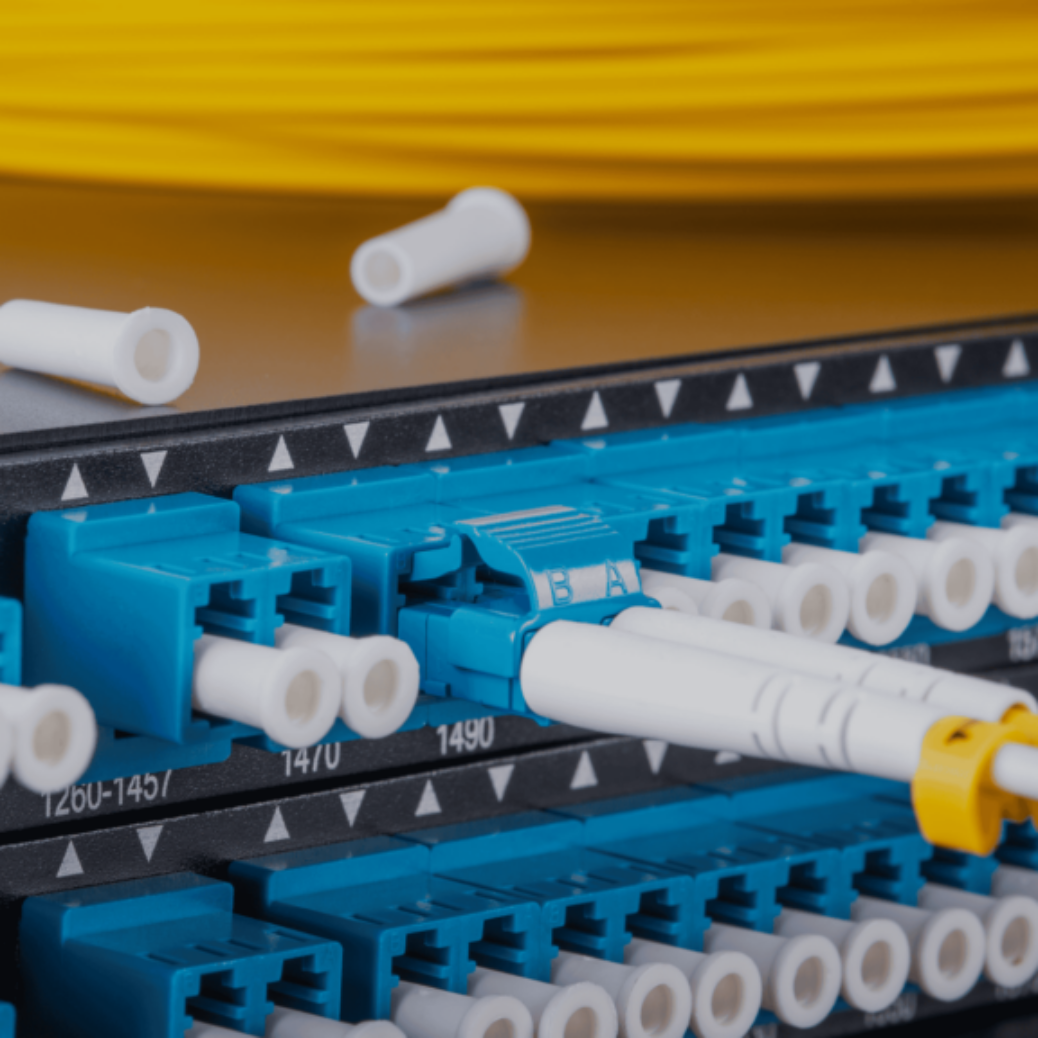
Upgrading to fiber optic cabling is the next best hack to prevent your business from downtime. Wondering why? Fiber optic cables offer high bandwidth capacity and are also less prone to signal degradation over longer distances.
Businesses can make the most of data-intensive applications, such as video conferencing and cloud storage, thanks to fiber optic cable installation services. This, in turn, not only saves you from downtime but also ensures faster speeds and reliable connectivity.
Keep Data and Voice Cabling Separate
Keeping the data and voice cabling separate also saves businesses from running into downtime. It might seem efficient to keep data and voice cabling together, but afterward, it can result in interference, affect network performance, and also make troubleshooting difficult.
Keeping both separate isolates the problems and enables businesses to manage each system independently.
Consider using different color cables for data and voice, and label these accordingly. The clearer the step-up is, the better the maintenance and performance.
Keep Optimal Cable Lengths and Pathways
Maintaining the optimal cable lengths and pathways is not optional but a must. The long cables or poor cable routing degrade the signal quality, especially in high-speed networks. Not only this, the improper bends, twists, or crushed cables also result in signal loss or network issues.
Structured cable management helps you with this. Structured cable management includes avoiding sharp bends, maintaining proper bend radius, using Velcro ties instead of zip ties, and keeping cables off the floor using trays, raceways, or racks.
The neatly routed cables not only add to the aesthetics of your office but also result in exceptional network performance.
Routine Cable Audits
Businesses also need to understand the significance of performing regular cable audits, as it also goes a long way in saving them from downtime. You need to understand that even the best systems tend to degrade over time.
This is when doing the routine cable audits will help you catch the issues, such as damaged cables, overcrowded racks, or outdated labeling, before these turn severe and cause trouble in your routine operations.
Consider using a cable tester to check the signal strength and faults. Document changes during audits and keep the labeling up to date. Also, bear in mind that the audits need to be performed twice a year to save you from downtime tomorrow.
Adherence to Compliance Standards
Adhere to the industry compliance standards as these ensure reliability, compatibility, and performance. The compliance standards to adhere to include TIA/EIA and ISO/IEC.
The standards have established specifications for the structured cabling to be done at commercial buildings. This covers everything from cable types to installation methods and other things.
The next is the international standard, which offers specifications for cabling systems supporting multiple vendor systems and applications. Abiding by these standards ensures your network infrastructure supports both current as well as future needs.
Quality Cables and Components
Investing in high-quality cables and components is a decision you’ll never regret. It saves you from costly downtime in the long run. Opting for cheap cables might seem like you are saving money, but this results in signal issues, downtime, and expensive maintenance later on.
Consequently, it’s best to invest in high-quality cables and components to ensure stable network infrastructure performance even under demanding workloads.
Consider using Cat6 or Cat6a for the high-speed networks. The plenum-rated cables work the best if you are running cables via the air spaces. Use connectors and jacks from a trusted brand that are rated properly.
Strategic Placement of Telecommunications Rooms
Where you place the network distribution points also impacts your network performance and reliability. The improper placement of the network distribution points results in downtime for businesses.
Ensure no copper cable run exceeds 90 meters. Also, avoid the problematic locations, such as never placing telecommunications equipment near water sources, heating systems, or electrical interference.
Ensure there is adequate cooling and ventilation, as equipment failure can happen due to overheating, resulting in downtime.
Partner with Professional Structured Cabling Installation Services
This is not a hack but a must. Structured cabling installation is not only about running the wires, but much more than that. No one does this better than the professional structured cabling installation services or the effective cabling solutions providers.
They design your network infrastructure in a way that provides you with optimal network performance your performance, and ensures scalability. Not only this, but the Ethernet cable installation services provider tests every connection before leaving and provides comprehensive documentation and support even after the structured cabling installation.
Make sure to ask the Ethernet cable installation services provider to share the network reliability strategies, cabling test results, and a future-proofing roadmap.
Consider picking the providers that have prior experience working in your industry. Besides the time and money saved, it also saves you headaches in the future.
Selecting The Right Data Cabling Contractor
Bear the following factors in mind while selecting the data cabling contractors for your business’s structured cabling installation.
Expertise
Consider the overall expertise of the data cabling contractors first before deciding. Check whether the contractor has a proven track record in helping businesses with structured cabling before or not, and then decide. Go ahead with the one with years of experience and a proven track record.
Look for Certifications
Always check the certifications of the data cabling experts to get an idea about their expertise. The certifications to look for include BICSI certifications and project management certifications. Hiring contractors with certifications ensures optimal network performance.
Market Reputation
Confirm the market reputation of the Ethernet cable installation services provider. Spend time reading online reviews and get in touch with their previous customers. This tells you a lot about their market reputation, and then decide accordingly.
Ongoing Support and Maintenance
Ask if the service provider offers only the installation or also the ongoing support and maintenance. Consider choosing the provider that offers ongoing support and maintenance to address the potential issues afterward and ensure business continuity.
Pricing Plans
Ask the service provider to share the pricing plans with you so that you can compare them with other providers and choose the one that aligns with your budget.
Wrapping Up
Minimizing IT downtime is possible by using those mentioned above structured cabling hacks and the right strategy. Follow all the above-mentioned hacks, and you’ll never have to worry about downtime next time. Get in touch with experienced structured cabling contractors at Cabling in DFW for a reliable network infrastructure.
Contact our certified structured cabling contractors today to optimize your network for peak performance.
FAQs
What are the best structured cabling strategies to prevent downtime?
Effective structured cabling strategies to prevent downtime include:-
- Ensure proper cable management
- Implement redundant cable paths
- Use high-quality cables
- Proactive maintenance
How often should I perform a cable audit?
It is recommended to do a comprehensive cable audit annually. But for high-traffic networks, consider doing it quarterly or biannually.
What is the difference between Cat6 and Cat6a cabling?
Cat 6a offers enhanced performance to businesses in terms of bandwidth and distance. Cat 6 has a bit lower speeds and is limited to 55 meters.
Why should I hire certified structured cabling contractors?
Hiring certified structured cabling contractors brings numerous benefits to businesses, such as;
- Years of expertise .
- Adherence to best practices.
- Reliable and scalable network infrastructure.
- Minimizes the risk of costly repairs or downtime.

CORPORATE OFFICE
1509 W Hebron Parkway
Suite Number 150
Carrollton, TX 75010